
Last updated November 20, 2026
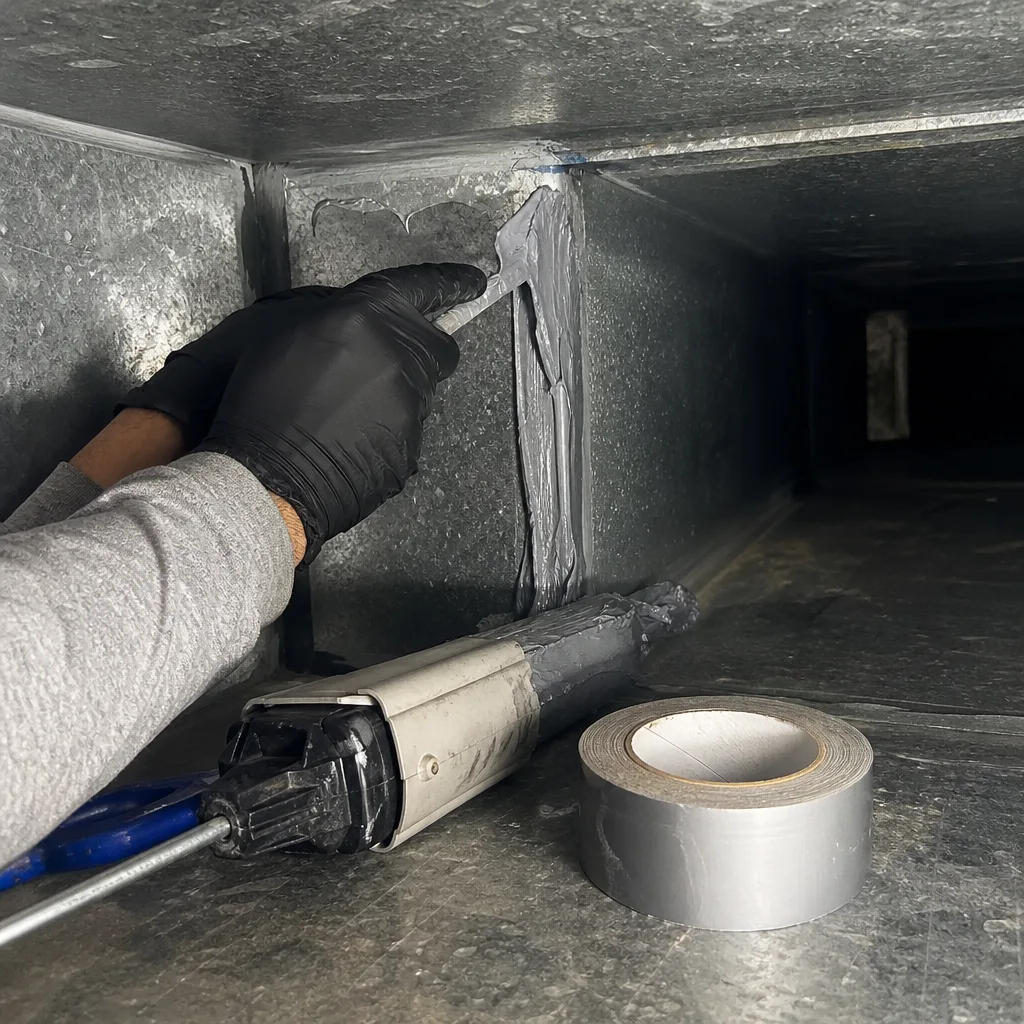
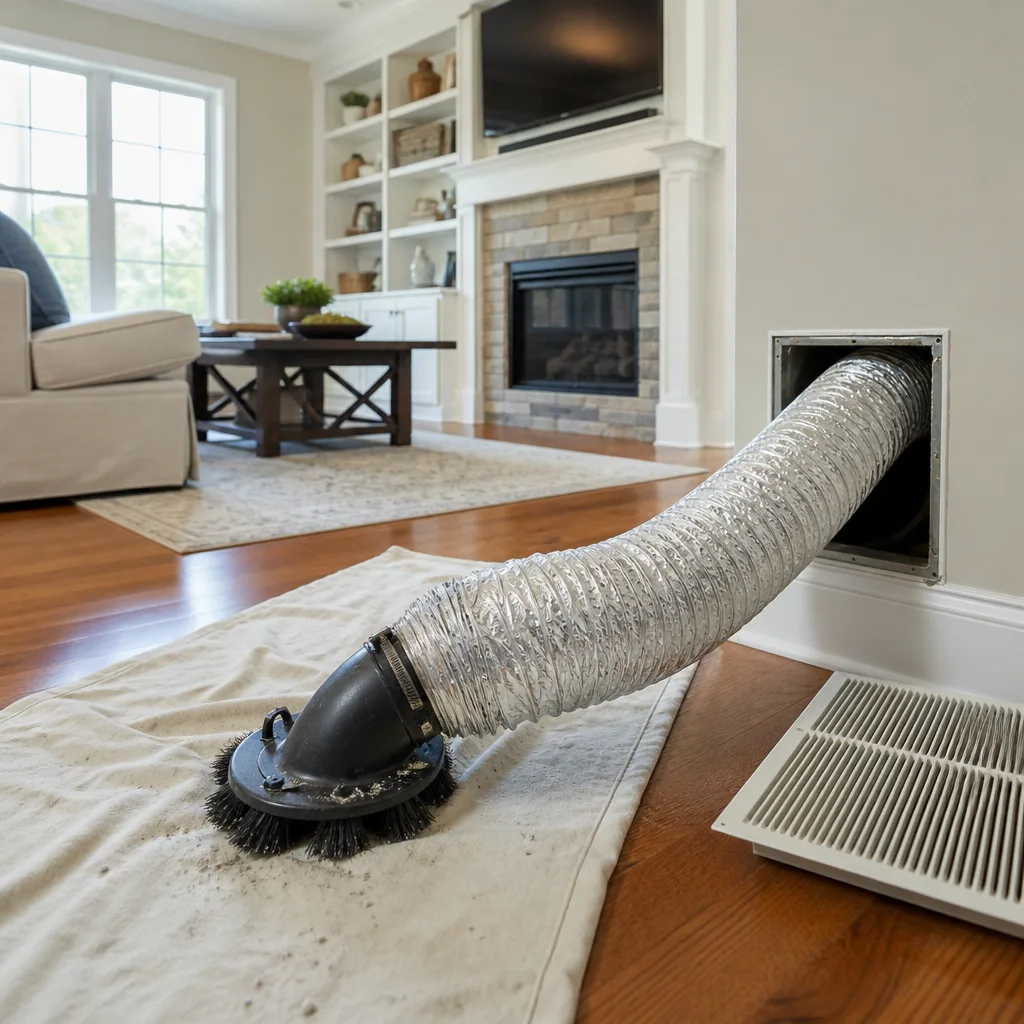 Whole-home duct cleaning
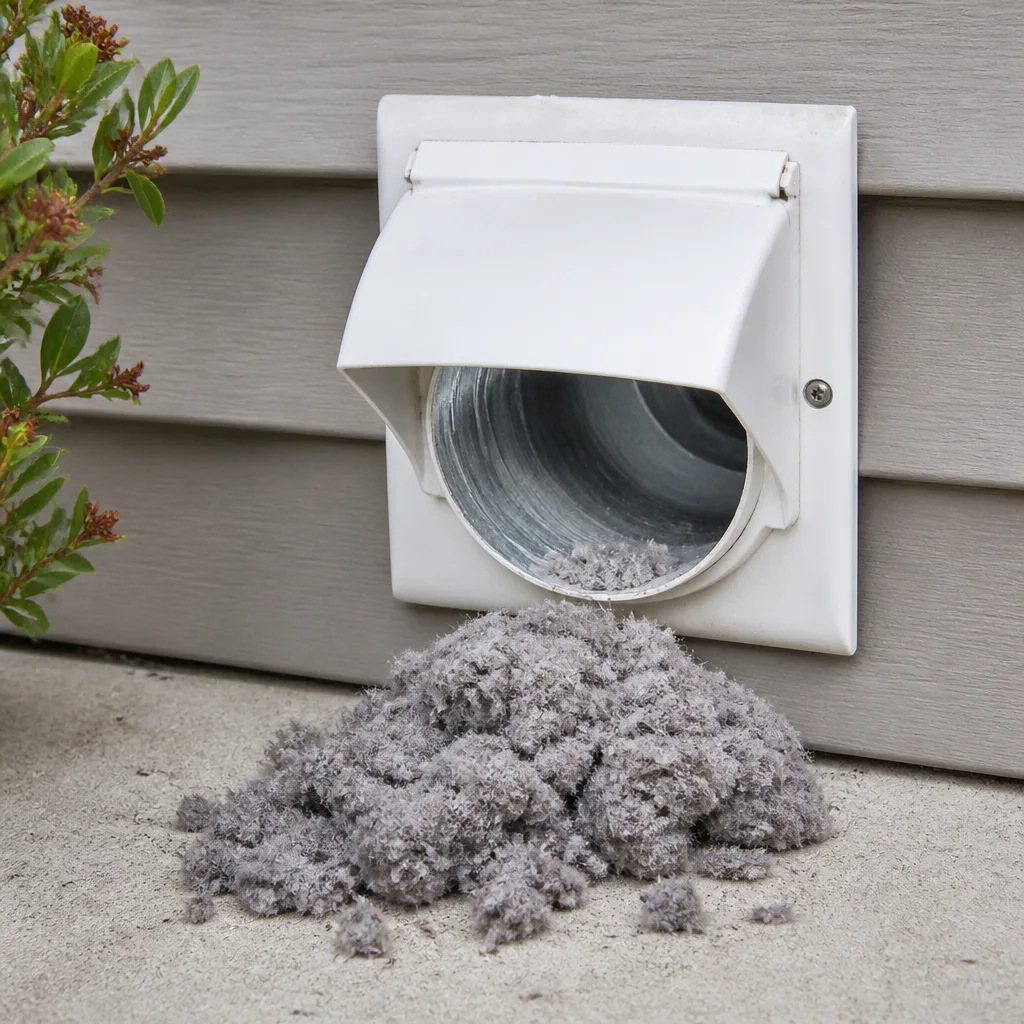 Dryer vent cleaning
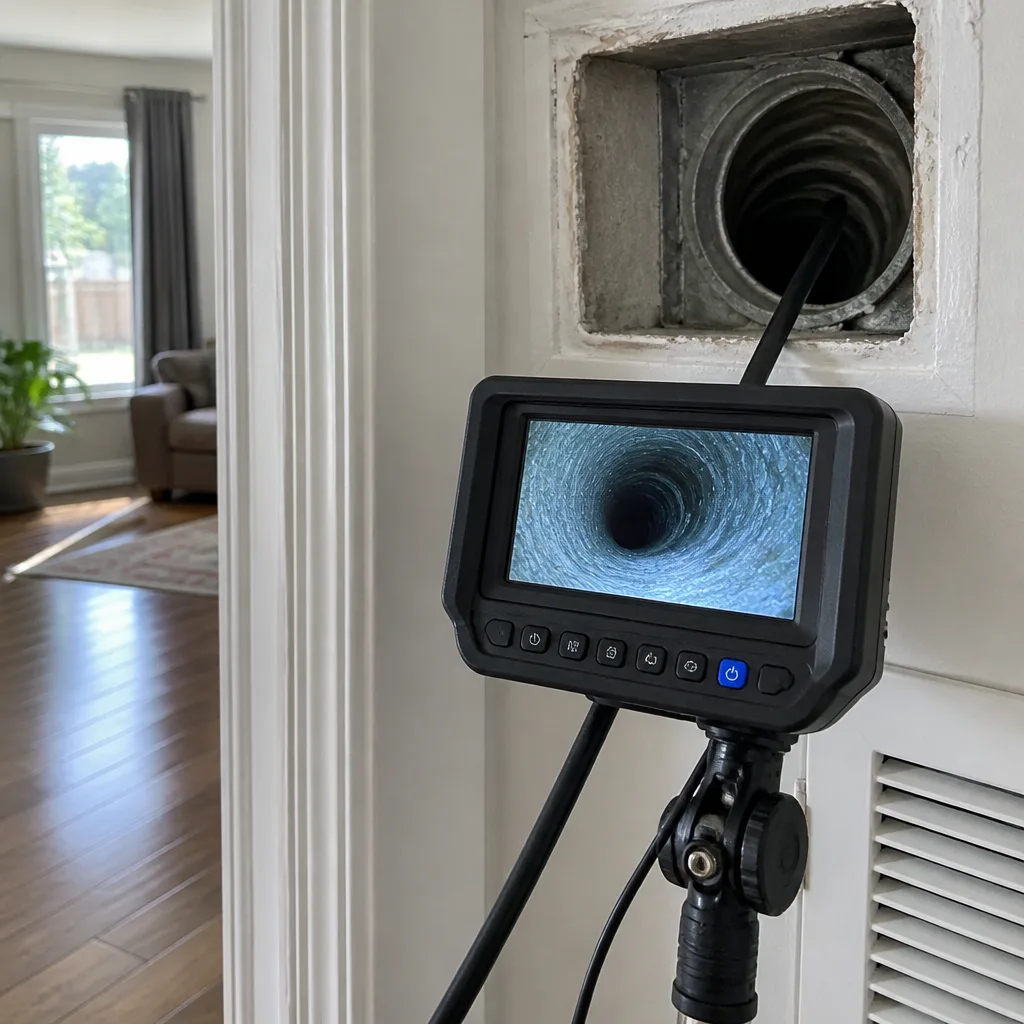 Camera inspection
 Sanitizing & deodorizing
Whole-system duct and dryer vent check with before-and-after photos - you see exactly what came out of your vents
That "$99 whole-house special" is a bait ad - the real number appears once they are in your hallway, or the "clean" is a shop-vac at the register. We photograph the inside of your ducts before and after instead.
Air Duct Cleaning Permits, Codes & Inspections in Studio City, CA: What You Need to Know
Here’s the part most homeowners never hear: the cleaning itself doesn’t need a permit, but the sealing and repair that usually follows it often does. When a technician brushes mastic over a leaking joint or replaces a section of flex duct in a Studio City attic, that can cross a line from routine maintenance into an alteration under Los Angeles County mechanical rules. Skip that line and the work gets done without a record, which surfaces later at resale. This guide walks through the threshold, the Title 24 interplay, how to verify a closed-out permit, HOA shares of shared plenums, and how wildfire remediation work is classified. It’s the paperwork side of a job nobody thinks has paperwork.
Quick Answer
Air duct cleaning by itself does not require a permit in Studio City or anywhere in Los Angeles County, because cleaning is treated as maintenance. But duct repair, duct sealing, or modifying the air handler or plenum can require a mechanical permit under LA County Mechanical Code Section 507 and triggers California Title 24 Part 6 duct-sealing requirements when more than 15% of the system is being replaced or altered. If a contractor seals or repairs your ductwork, ask to see the permit and the signed final inspection.
Styles & brands we work with
- Whole-home duct cleaning
- Dryer vent cleaning
- Camera inspection
- Sanitizing & deodorizing
Table of Contents
- Where cleaning ends and permitted work begins
- LA County Mechanical Code Section 507, in plain terms
- How Title 24 Part 6 interacts with a cleaning scope
- How to verify a permit was actually closed out
- HOA and condo rules: shared plenums and trunk lines
- How wildfire remediation duct work is classified
- What an inspection actually looks like
- Common mistakes to avoid
Where Air Duct Cleaning Ends and Permitted Work Begins
The dividing line is maintenance versus alteration, and it’s the single most misunderstood piece of this topic. Maintenance keeps the system as it was built. Alteration changes it. Cleaning the inside of a duct is maintenance. Cutting a new access panel, replacing a collapsed run, re-routing a trunk line, or sealing more than a patch of the system is generally alteration. In an older Studio City home where the original galvanized ductwork has been patched and reconnected over the years, a cleaning visit often uncovers exactly that kind of alteration.
Here’s a working breakdown as it applies to a typical residential job in the Los Angeles area:
- No permit typically needed: mechanical brushing and contact vacuuming of supply and return ducts, register and grille cleaning, HVAC coil and blower cleaning done in place, evaporator drain pan flushing, and filter replacement.
- Permit usually required: replacing sections of ductwork, rerouting a duct run, adding or relocating register boots, replacing the air handler or furnace, or changing the plenum box configuration.
- Requires a judgment call: sealing leaks in joints, boots, and plenum connections. A small amount of mastic is maintenance. A system-wide sealing scope tied to an equipment change is an alteration.
Notice how the second category is almost always what a “clean and repair” quote turns into once the ducts are open and the technician can actually see the leaks. That’s a legitimate reason a duct cleaning visit in Studio City sometimes ends with a mechanical permit pulled alongside it.
LA County Mechanical Code Section 507 in Plain Terms
LA County Mechanical Code Section 507 governs when a mechanical permit is required for HVAC and ductwork. The general rule: a permit is needed to install, alter, or replace any part of a mechanical system, including ductwork, unless the code specifically exempts it. The exemptions cover minor repairs and ordinary maintenance of existing work. So if your technician is replacing five feet of flex run, that’s alteration. If they’re vacuuming the same run, that’s maintenance.
The practical reading for Studio City homeowners comes down to a few rules of thumb:
- Ask what kind of work the quote is for. If the scope is “clean and inspect,” no permit needed. If it’s “clean, repair, and seal,” ask specifically whether the repair portion needs a mechanical permit.
- Get the permit in writing. A permit is a document filed with LA County building officials. If the contractor can’t tell you the permit number, the repair work may be happening off the books.
- Understand who pulls it. The contractor who performs the alteration is responsible for pulling the permit. If you’re hiring a duct cleaning company that subcontracts the repair, you should still see a permit filed in the licensed contractor’s name.
- Watch for the “sealed under maintenance” claim. Some contractors describe a full duct seal as minor maintenance to avoid the permit. It’s worth pushing back on if more than a few joints are being sealed.
Our technicians have up to 10 years of experience in this work, and a large part of that is telling the difference between a repair that stays inside a cleaning scope and one that needs a separate permit on file.
How Title 24 Part 6 Interacts with a Cleaning Scope
California Title 24 Part 6 is the state’s energy code, and it contains duct-sealing requirements that apply whenever a duct system is altered. The rule matters here because of a specific gray area: when a cleaning and inspection scope exposes duct leakage that a homeowner didn’t know existed, the contractor now has to decide what to do about it. Under Title 24 Part 6, once ductwork is being altered, the sealing requirements kick in. That doesn’t mean the contractor has to fix leaks they merely found, but if any alteration is happening on the same duct system, Title 24 applies to that portion of the work.
What this looks like in practice:
- Cleaning only. No alteration, no Title 24 obligation for the sealing requirements.
- Cleaning plus a duct repair. The repair area and any connected ductwork being altered must meet Title 24 sealing requirements for that portion of the system.
- Cleaning plus a system-wide seal. This is alteration work and typically needs a mechanical permit alongside a Title 24-compliant sealing specification.
- Cleaning plus equipment replacement. A furnace or air handler swap almost always triggers a permit and a Title 24 verification on the whole system.
In our experience, the most common surprise is a homeowner who booked a routine air duct cleaning and learned mid-visit that the ducts behind a closet wall had been rerouted without a permit when a previous owner remodeled. That discovery is worth acting on, and it’s also worth understanding what it means for a future sale.
How to Verify a Permit Was Actually Closed Out
Pulling a permit is only half the paperwork. Closing it out is the half that matters. LA County LADBS (Los Angeles Department of Building and Safety) keeps a public record of every permit pulled, including its status. “Open” means the work was never signed off by an inspector. “Closed” or “finaled” means the job passed. A homeowner who gets a closed permit has a document that will hold up at resale.
To check, work through these steps:
- Get the permit number from the contractor. Ask for it in writing on the invoice, not just verbally.
- Look it up at LADBS. The permit number, address, and status are searchable through the LA County building records portal.
- Confirm the status says “final” or “closed.” If it says “issued” or “active,” the inspector hasn’t signed off yet.
- Request the signed inspection card or final inspection report. A closed permit still needs the inspector’s signature on file. Ask for a copy.
- Match the scope. Make sure the permit description matches what was actually done. A permit for “duct replacement, 20 linear feet” doesn’t cover a new plenum box.
A contractor who closes out permits reliably will have no problem providing the number and the inspection card. If the response is “don’t worry about it” or “the permit is on file with the city,” those are worth being skeptical of. When permits are missing at resale, a buyer’s inspector will flag them, and the seller is usually the one paying for retroactive permits. If you’ve never had your ducts serviced and want to know what a proper inspection trail looks like, the Air Duct Cleaning Studio City page is a reasonable place to start.
HOA and Condo Rules: Shared Plenums and Trunk Lines
Studio City has a substantial number of condos and townhomes, especially in the areas around Ventura Boulevard and the hillside complexes off Laurel Canyon and Coldwater Canyon. The permit rules get more interesting in these buildings because the ductwork crosses property lines. A townhome’s air handler may sit in a shared attic space. Trunk lines may run through a common plenum above a shared hallway ceiling. When that’s the case, the HOA has a say in what gets altered and who pays for it.
What to sort out before any work begins:
- Who owns the plenum? Read the CC&Rs. Some HOA documents treat the plenum above the ceiling as common area, some treat it as owner-responsibility, and some split it by floor.
- Who authorizes access? Any work in shared attic or crawlspace areas may need HOA approval in writing before a contractor enters, regardless of permit status.
- Who holds the permit? For work in common area, the HOA typically pulls the permit. For work inside an owner’s unit, the owner does. Don’t assume the contractor decides this.
- Who pays for repair? If the trunk line serving multiple units is leaking, the HOA may be responsible. If only your branch run is leaking, you likely are.
A duct cleaning company working in Studio City condos deals with this routinely, and the ones that know the local HOA patterns will ask about shared attic access before they book the job. We treat dryer vent cleaning in multi-unit buildings the same way: check who owns the vent run before touching it.
How Wildfire Remediation Duct Work Is Classified
Wildfire remediation duct work is classified differently than routine maintenance, and it’s worth understanding now if you own in the hills. When a home takes smoke or ash intrusion after a fire in the surrounding hills, the duct cleaning scope isn’t routine dust removal. It’s contamination remediation. Under California insurance and code frameworks, that’s a different category with different documentation requirements, and it’s usually tied to an insurance claim rather than a homeowner service call.
The classification matters for three reasons:
- Insurance documentation. A wildfire remediation claim generally requires a scope of work, a written protocol for what was cleaned and how, and before-and-after evidence. Routine duct cleaning doesn’t require any of that.
- Sanitizing treatment. Smoke odor, soot particulate, and microbial growth after a fire call for something beyond mechanical cleaning. In practice, that’s where professional-grade sanitizing agents come in – a step that isn’t part of standard maintenance.
- Follow-on repairs. If fire exposure or heat damage compromised ductwork, the repair portion re-enters the alteration-versus-maintenance question, and the sealing requirements apply. A wildfire remediation scope that ends with altered ducts generally needs a mechanical permit.
We use Abatement Technologies and Guardsman products for the sanitizing step after a wildfire remediation, which is a different chemical profile than a routine cleaning treatment. The mechanical cleaning itself uses Rotobrush and Nikro systems – contact cleaning, not a wand-and-blow method, because post-fire particulate and odor have to come out of the duct, not just get moved around inside it.
What an Inspection Actually Looks Like
An inspection is not the same as a cleaning. A cleaning removes dust, debris, and contaminants from the system. An inspection evaluates the condition of the system and documents it: whether the ductwork is sealed, whether the insulation is intact, whether there’s moisture or microbial growth, and whether any prior alteration is unpermitted. In Studio City, most inspection requests come from three directions: a recent home purchase, a recent wildfire event, and an energy audit that flagged duct leakage under Title 24.
What a proper inspection should cover:
- System inventory. Count supply runs, return runs, and registers. Note the air handler type, filter size, and any signs of bypass.
- Visual access checks. Cut or open access to the plenum and trunk line where needed. This is a small alteration in itself and should be noted.
- Leakage assessment. A visual survey of joints, boots, and connections. Some inspections use a duct blaster to measure leakage as a percentage of system airflow.
- Photo documentation. Before-and-after photos of every section that was inspected, numbered against the inventory.
- Written report. What was found, what’s maintenance, what’s alteration, and what needs a permit.
- Follow-up scope. If any alteration is identified, the report should specify what the permit scope would be.
What a homeowner should expect to receive: a report with photos, a clear list of findings, and, if any alteration work is recommended, the permit scope spelled out. If an inspection ends with only a verbal report and no photos, that’s not enough. In our experience running these for Studio City property managers, the written report is what makes the whole thing work – it’s the document the buyer, the insurer, or the HOA actually needs. Our HVAC cleaning scope includes inspection of the equipment alongside the ducts, so the report covers the full air pathway.
Common Mistakes to Avoid
- Assuming a cleaning quote covers repair and sealing. A cleaning quote is for cleaning. Duct repair and sealing and any alteration work are a separate scope, sometimes with a separate permit. Ask which scope you’re booking.
- Not asking for the permit number in writing. A contractor who says “don’t worry, we pulled the permit” without a number you can look up has given you nothing. Get the number on the invoice.
- Skipping the final inspection sign-off. An open permit is worse than no permit at resale, because a buyer’s inspector will see the record and ask why it wasn’t finalized. Confirm “closed” in the LADBS portal before the contractor leaves.
- Letting a contractor describe a full duct seal as “maintenance” to skip the permit. If the scope is system-wide sealing, treat it as alteration unless the contractor can explain precisely why it doesn’t qualify.
- Handling an HOA-owned plenum as if it were your own. In studio City condos and townhomes, work in shared attic or common hallway plenums usually needs HOA approval and sometimes an HOA-filed permit. Don’t assume owner responsibility.
- Booking wildfire cleanup as routine cleaning. Post-fire remediation is a different scope with different documentation requirements, usually insurance-driven. A standard cleaning doesn’t cover it.
- Skipping the dryer vent because it “looks fine.” Dryer vent cleaning isn’t optional – it’s a fire-code issue in its own right, and a Studio City home with a long vent run to the side yard is a common place it goes wrong.
See the difference
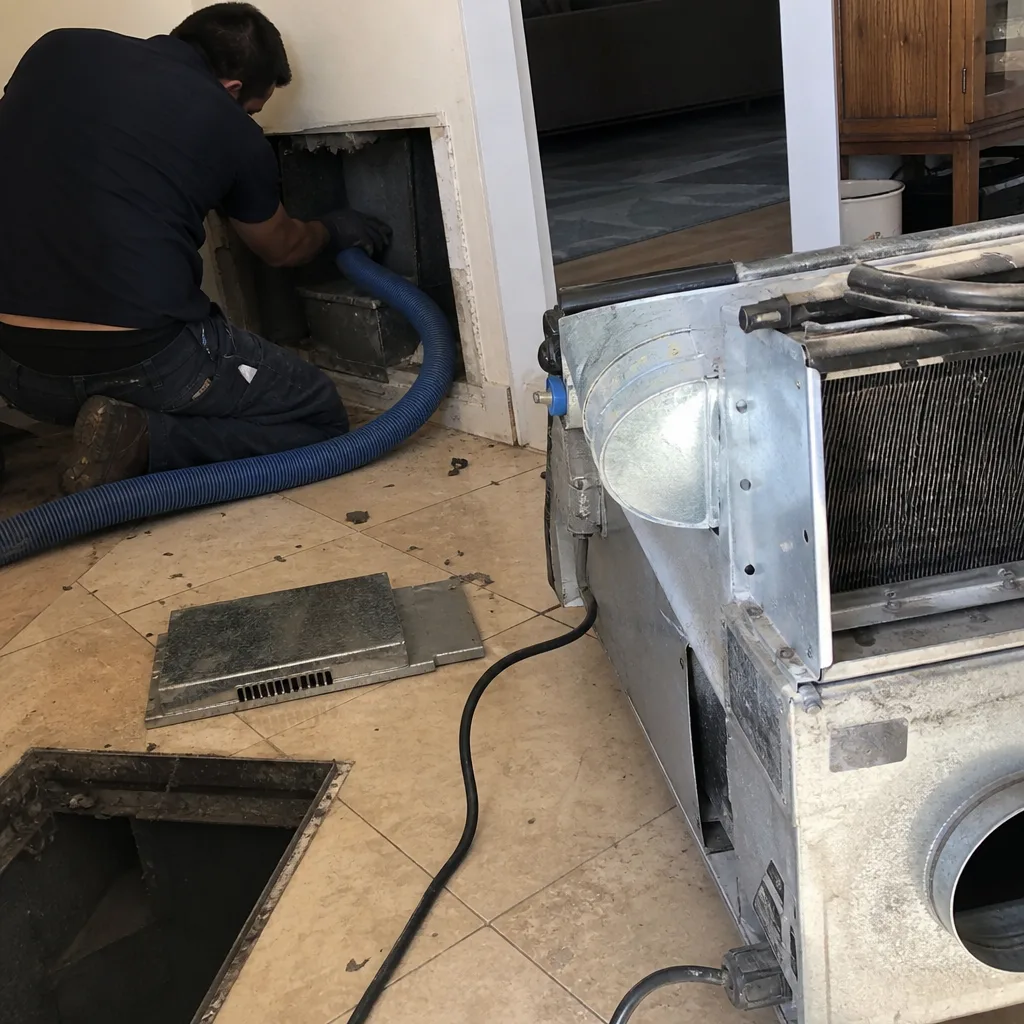 Before
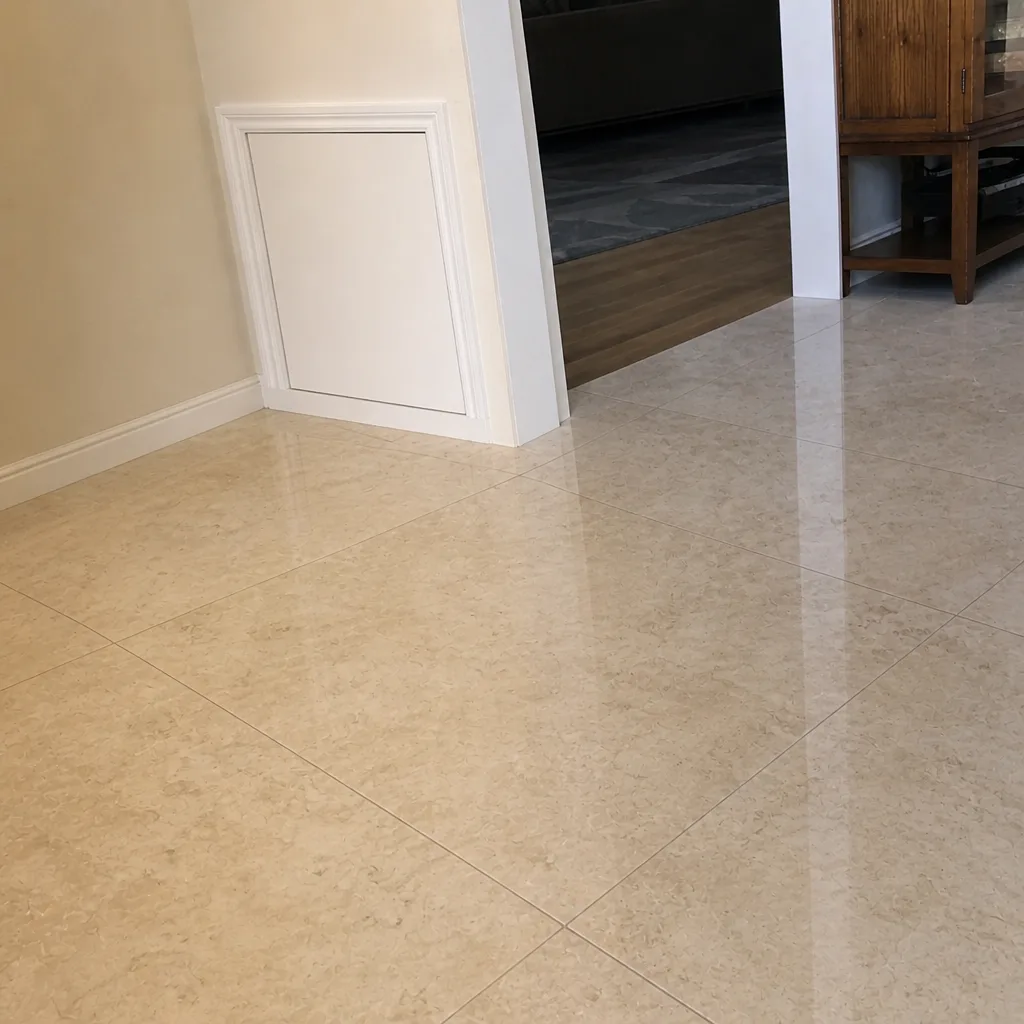 After
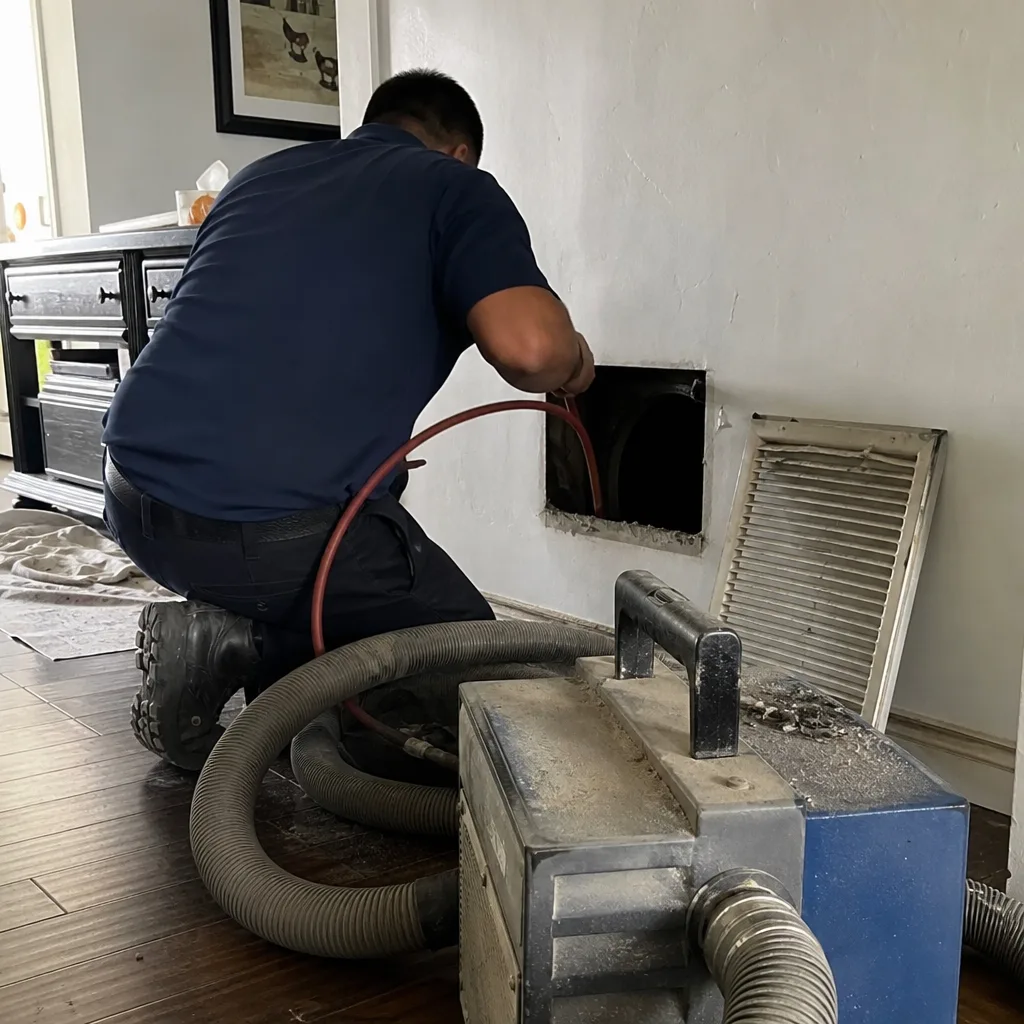 Before
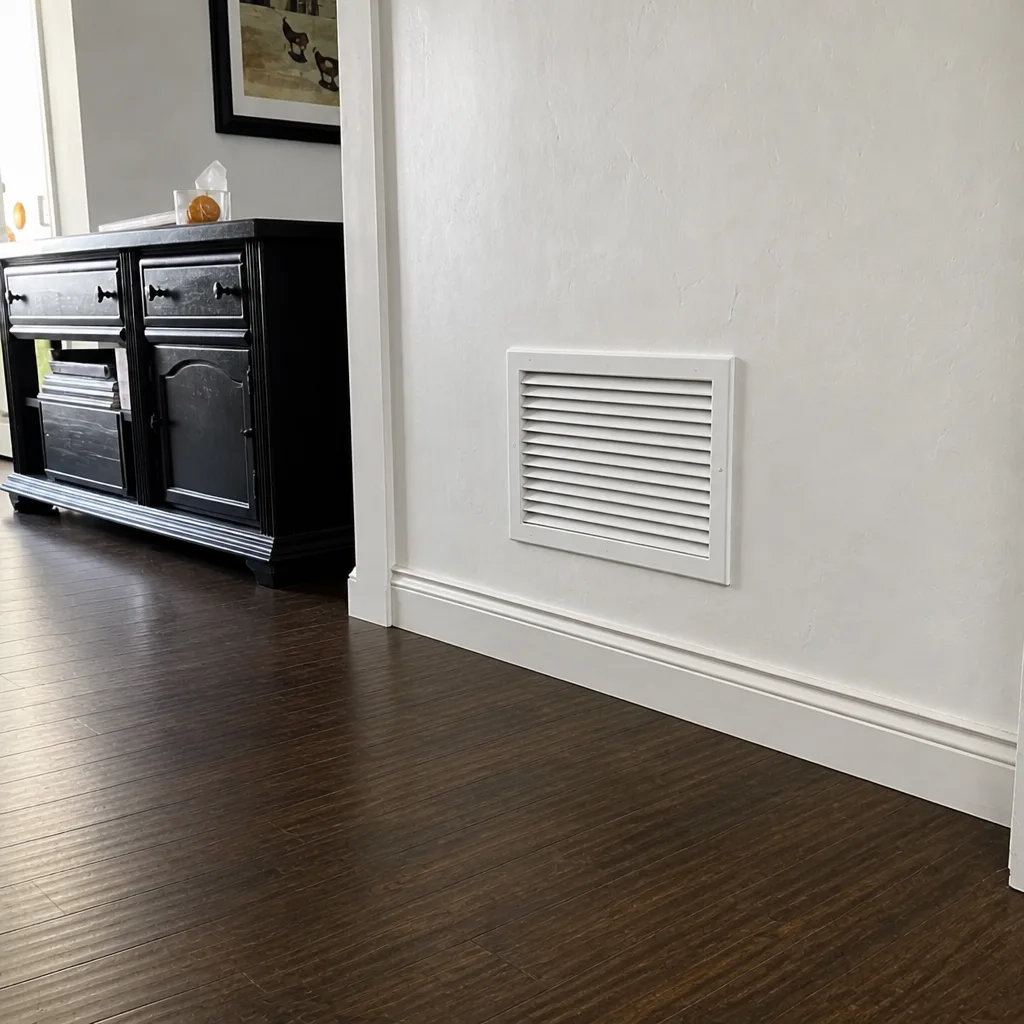 After
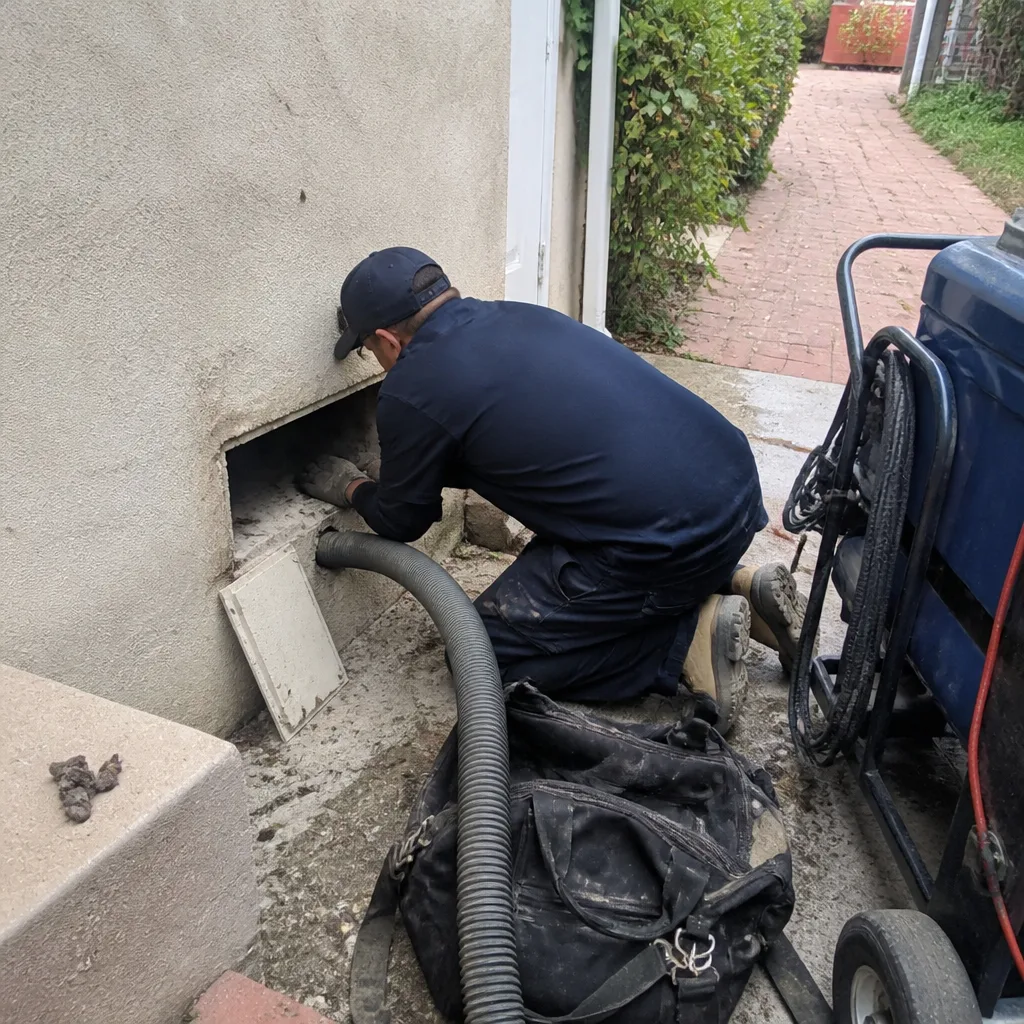 Before
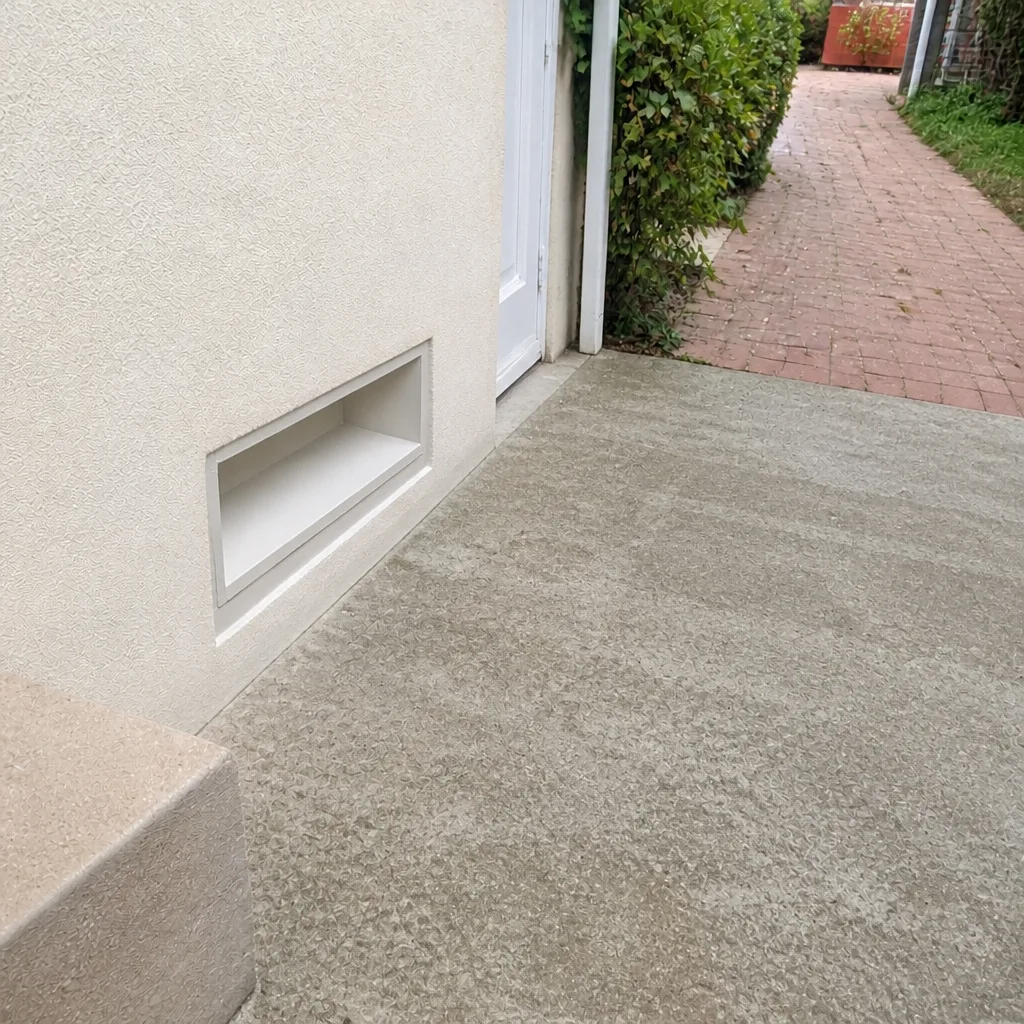 After
When to Call a Professional
Call a professional when the ductwork itself is being touched, when an inspection report is required for a sale, insurance claim, or HOA review, or when you’ve noticed anything that suggests a system problem: musty odors after a rain event, uneven airflow between rooms, visible dust at the registers within a day of cleaning, or a recent wildfire exposure in the surrounding hills. If a prior owner’s remodel is showing signs of an unpermitted reroute, that’s another call.
The Houston Street and Tujunga Avenue neighborhoods of Studio City get the same wildfire-related calls as the hillside properties, so geography alone doesn’t tell you whether you need remediation or routine service – only an inspection does. Air Duct Cleaning Studio City offers free estimates in Studio City. Call (855) 658-5111. We answer 24/7. Fast dispatch from 7am to 7pm, Sunday through Friday. The written estimate sets the final price, and it specifies what’s maintenance, what’s alteration, and whether a permit is required.
Frequently Asked Questions
Air duct cleaning by itself does not require a permit in Studio City. Cleaning is classified as maintenance under LA County mechanical rules. However, duct repair, duct replacement, rerouting, and system-wide sealing are alteration work and can require a mechanical permit. If a contractor is only cleaning, vacuuming, and sanitizing, no permit applies. If the work includes repair or sealing of more than minor joints, ask specifically about the permit before the technician starts. Call (855) 658-5111 for an exact quote on your scope.
Cleaning keeps the system in its existing condition, while sealing changes the system’s physical barriers, which is an alteration under LA County Mechanical Code Section 507 and can trigger California Title 24 Part 6 duct-sealing requirements. The distinction comes down to whether the work changes the system or merely maintains it. Sealing joints is often a judgment call, but a system-wide seal is fairly clearly alteration work. A contractor who describes full-system sealing as routine maintenance is likely skipping the permit. Call (855) 658-5111 for a written scope you can compare against what local code requires.
Get the permit number in writing from the contractor, look it up at the LA County LADBS building records portal, and confirm the status reads “final” or “closed” rather than “issued” or “active.” Then ask for the signed final inspection card as backup. A closed permit is the document that holds up at resale. If the contractor can’t provide a permit number, the alteration work may be unpermitted. Call (855) 658-5111 for a scope that includes the permit question up front.
Responsibility for shared plenum work in a Studio City condo depends on the CC&Rs, and it varies by building. Some HOA documents treat the plenum above the ceiling as common area with HOA-pulled permits, and some assign it to the owner. Read the CC&Rs before booking any work in a shared attic or common hallway space. In nearly every case, HOA approval in writing is required before a contractor enters shared space. Call (855) 658-5111 to schedule an estimate and we’ll help you sort out which scope is yours.
Wildfire remediation ductwork is treated as contamination remediation rather than routine maintenance, which is a different classification under California insurance and code frameworks. That means written scope documentation, before-and-after photos, and often sanitizing treatment after mechanical cleaning. If the heat exposure or debris compromised the ducts, the repair portion re-enters the alteration question and may need a mechanical permit. Cleaning, sealing, and sanitizing all have to be documented for a claim. Call (855) 658-5111 for a remediation-scope estimate.
A duct inspection is worth doing every few years, and in practice it’s most valuable at a few specific events: a home purchase, after a wildfire event in the surrounding hills, after a remodel, or when airflow problems show up that a filter change doesn’t fix. Cleaning frequency depends on the home (pets, allergies, recent renovation, wildfire exposure), but an inspection every few years keeps the paperwork current at resale. Call (855) 658-5111 to schedule an inspection and get a written report.
The Bottom Line
Cleaning your ducts in Studio City doesn’t require a permit, but sealing, repairing, or altering the system can require one under LA County Mechanical Code Section 507 and trigger California Title 24 Part 6 sealing requirements. The documentation is what matters at resale, at insurance time, and under HOA review. Get the permit number in writing, verify it reads “closed” at LADBS, and don’t let a system-wide seal get called “maintenance” to skip the step. Wildfire remediation is a separate category with its own documentation trail, and condo owners should read the CC&Rs before touching a shared plenum. Fix too: dryer vent cleaning, not just ducts, because the fire code applies there too.
Air Duct Cleaning Studio City handles the full air pathway – cleaning, repair and sealing, HVAC components, dryer vents, and air quality systems including dryer vent cleaning, HVAC cleaning, and sanitizing with Guardsman, Abatement Technologies, and Honeywell or Aprilaire air quality upgrades where they fit the system. Technicians use Rotobrush and Nikro contact-cleaning equipment. The flat price per system is set by the written estimate before work starts. Call (855) 658-5111 for a free estimate. We answer 24/7. Fast dispatch from 7am to 7pm, Sunday through Friday.
Written by the team at Air Duct Cleaning Studio City.