
Last updated November 20, 2026
 Whole-home duct cleaning
 Dryer vent cleaning
 Camera inspection
 Sanitizing & deodorizing
Whole-system duct and dryer vent check with before-and-after photos - you see exactly what came out of your vents
That "$99 whole-house special" is a bait ad - the real number appears once they are in your hallway, or the "clean" is a shop-vac at the register. We photograph the inside of your ducts before and after instead.
The Complete Guide to Air Duct Cleaning in Studio City
Most duct cleaning guides tell you to schedule every three to five years and leave it at that. None of them mention that a single Santa Ana wind event can push enough fine particulate through a compromised duct system to undo two years of filter maintenance in about 48 hours. That gap matters here. Studio City sits where canyon air drains into the Valley floor, where the 101 and 134 meet, and where wildfire ash travels on winds that arrive without warning. This guide maps the full air pathway in a Studio City home, from return grille to supply register, and explains what professional-grade equipment actually does at each stage.
Quick Answer
Air duct cleaning in Studio City means mechanically cleaning every component of the air pathway – return plenum, supply trunk, branch runs, air handler coil, and drain pan – under negative pressure, not just vacuuming the registers you can see. A proper job uses contact-cleaning equipment like Rotobrush and Nikro, followed by sealing any compromised joints and, where needed, sanitizing with products such as Abatement Technologies. The written estimate should list every component before work starts.
Styles & brands we work with
- Whole-home duct cleaning
- Dryer vent cleaning
- Camera inspection
- Sanitizing & deodorizing
Table of Contents
- Why Studio City Ducts Get Dirty Differently
- Contact Cleaning vs. Negative-Pressure HEPA Extraction
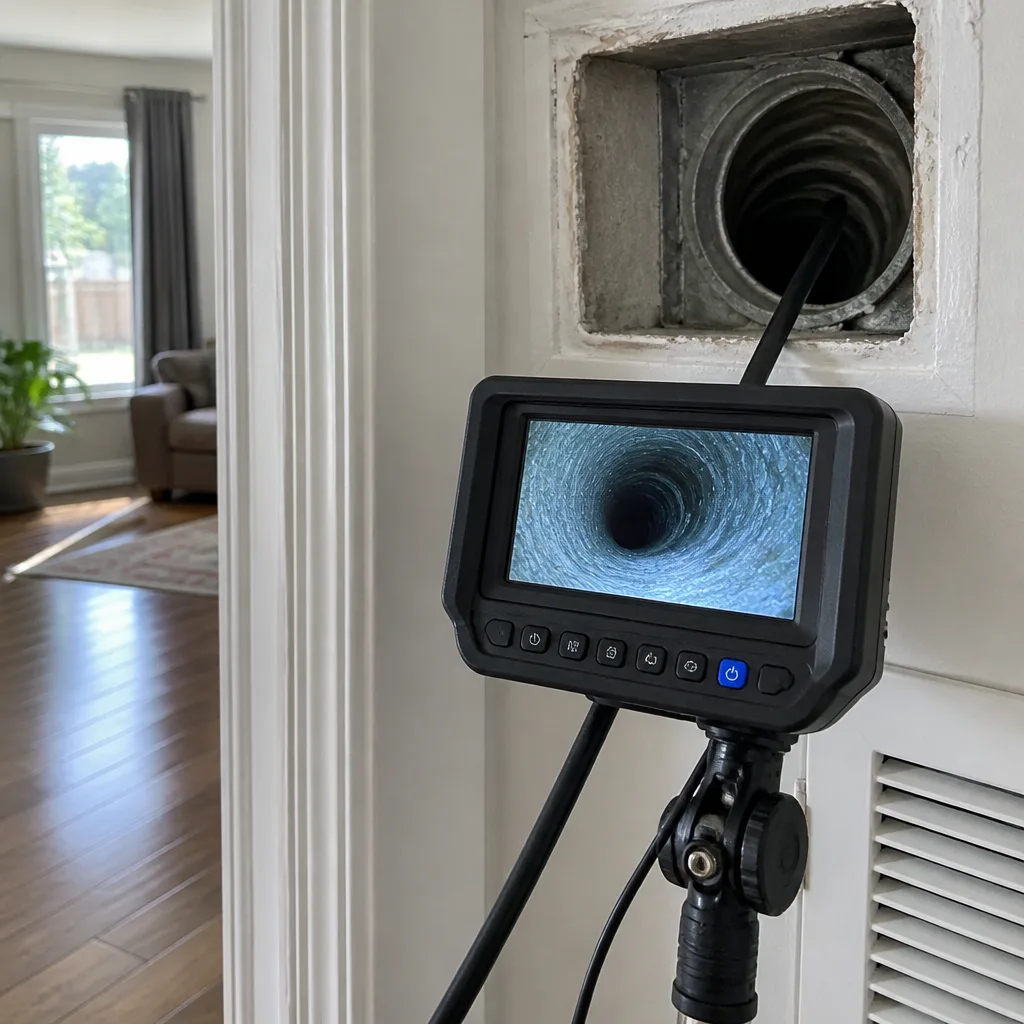
- What a Full System Inspection Actually Covers
- How Wildfire Ash Behaves Inside Ductwork
- The Professional Cleaning Process, Step by Step
- Duct Repair and Sealing: Clean It, Seal It, Treat It
- Red Flags in a Cleaning Scope of Work
- How Often Do Studio City Ducts Really Need Cleaning?
Why Studio City Ducts Get Dirty Differently
Studio City has a particulate problem that generic guides never account for. Three forces combine here in ways they don’t in most of the country.
Canyon drafts. The hills that frame Studio City – the streets climbing toward the ridgelines above Ventura Boulevard and the canyons feeding into the Valley – funnel air downhill as temperatures shift. That moving air carries fine dust, pollen, and debris that finds its way into return grilles, especially in homes with attic or crawlspace duct runs where joints loosen over time.
Ventura Boulevard traffic. The 101 and 134 interchange sits at Studio City’s edge, and Ventura Boulevard runs the length of the neighborhood. Brake dust, tire particulate, and exhaust byproducts settle on rooftops and enter HVAC systems through return air, not just through open windows. Homes closest to the interchange and the Boulevard tend to show darker, finer debris in return plenums than homes tucked back into the hills.
Wildfire ash infiltration. Santa Ana winds push ash and smoke from regional fires into the Valley, and fine ash behaves nothing like household dust once it’s inside ductwork. We cover that in detail further down.
The result is that a Studio City home can look clean, filter clean, and still have a return plenum carrying a load of fine particulate that never reached the filter. That’s the case for a full-system approach rather than a surface vacuum.
Contact Cleaning vs. Negative-Pressure HEPA Extraction
This is the single most important distinction in the trade, and it’s the one most homeowners never hear explained.
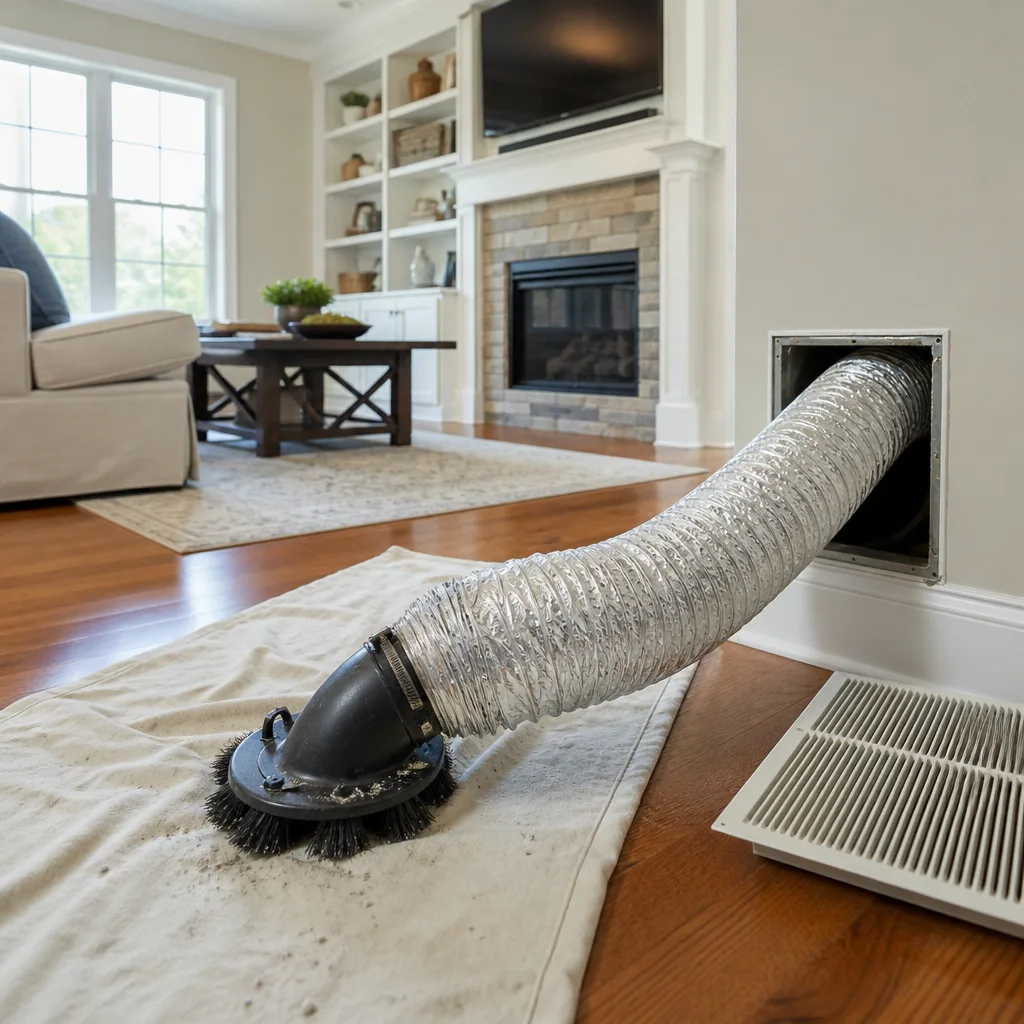
Contact cleaning means a mechanical tool physically disturbs debris from duct surfaces. The Rotobrush system is the industry standard here – a rotating brush head on a flexible whip that travels the length of a run and scrubs the interior walls. Nikro equipment serves the same purpose for different duct geometries. Contact cleaning is essential because debris bonds to duct walls, especially in flex duct where the ribbed interior traps particulate. A vacuum alone doesn’t break that bond.
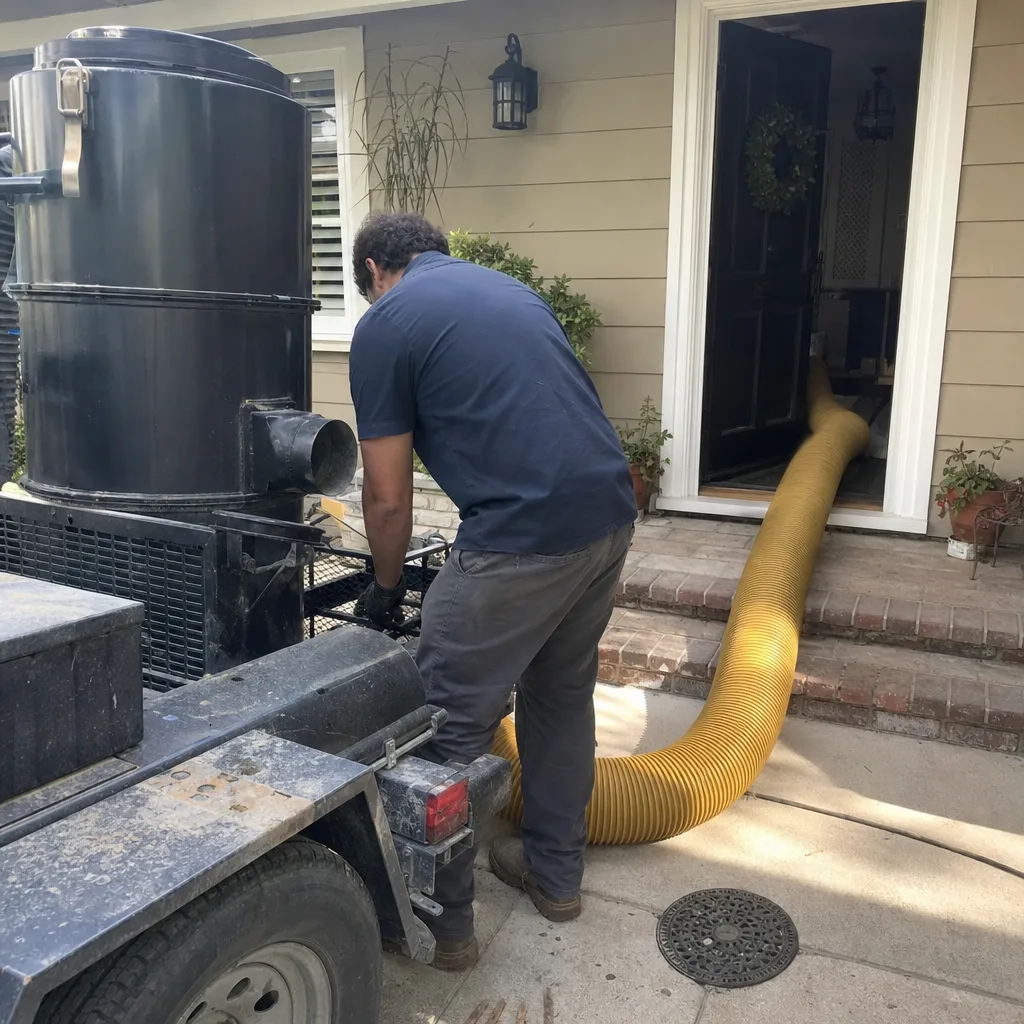
Negative-pressure HEPA extraction means the entire system is put under vacuum from a single collection point, usually at the main trunk or air handler, while the ducts are sealed at the registers. Every disturbance of debris – by brush, by air whip, by hand tool – happens while the system is pulling air inward. Sub-micron particles that a shop vacuum would simply blow back into the room get captured at the HEPA filter instead.
Why does that matter at flex duct joints specifically? Flex duct joints are the weak point in any residential system. They flex, they loosen, and they leak. When a contractor cleans without negative pressure, the agitation at those joints pushes fine debris out through the gaps and into the cavity around the duct – where it sits, and where it can re-enter the living space through gaps in the building envelope. True negative-pressure extraction holds that debris inside the collection system until it’s removed from the home.
What Professional-Grade Equipment Changes
- Rotobrush and Nikro systems are the same class of equipment used in commercial and industrial duct work, not consumer vacuums with a long hose.
- HEPA filtration captures particles at the sub-micron level, which is where wildfire ash and fine traffic particulate live.
- Sealed-register extraction means debris travels one direction: out of your home, not into your living room.
- Contact agitation reaches the duct wall; air-only methods move loose dust and leave the bonded layer behind.
What a Full System Inspection Actually Covers
If a contractor’s inspection starts and ends at the supply registers, you’re not getting an inspection. Here’s what a complete walkthrough of the air pathway includes:
- Return grille and return plenum. The return side is where the heaviest debris load accumulates, because return air carries everything the house pulls in. The plenum – the large duct section feeding the air handler – needs to be opened and inspected, not guessed at.
- Supply trunk and branch runs. The main trunk and every branch feeding individual rooms. Branches in flex duct need visual inspection along their length, not just at the boot.
- Air handler coil. A dirty evaporator coil restricts airflow and can grow biological material in the condensate it produces. Coil condition affects both air quality and system efficiency.
- Drain pan. Standing water in a drain pan is a microbial problem waiting to happen. It’s part of the air pathway and needs to be checked and cleaned.
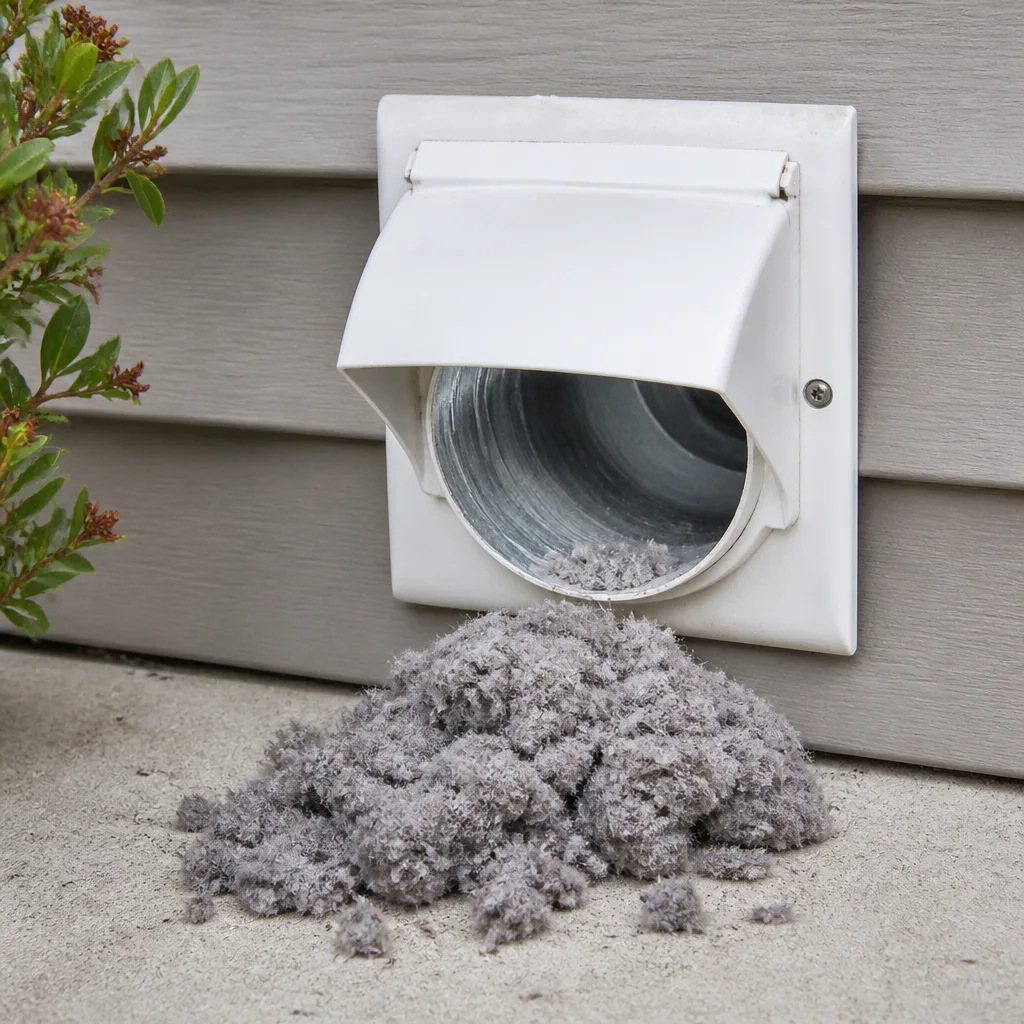
- Dryer vent. Separate from the HVAC system but part of the home’s air and fire-safety picture. A dryer vent packed with lint is a fire risk, and it’s routinely skipped by duct-only contractors.
- Air quality hardware. Existing filtration and any Honeywell or Aprilaire equipment already installed, so recommendations build on what’s there rather than duplicating it.
An inspection that covers these six areas takes time. That’s the point. It’s also why a quote given over the phone without a walkthrough should be treated as an opening number, not a final one.
How Wildfire Ash Behaves Inside Ductwork
Wildfire ash is not dust with a different color. Fine ash from regional fires includes particles at PM2.5 and below – small enough to stay airborne for long periods and small enough to pass through standard filters that catch larger debris. When a Santa Ana event pushes that ash into the Valley, it enters homes through return air, gaps in the envelope, and any compromised duct joint.
Once inside ductwork, fine ash settles differently than household dust. It clings to surfaces through a combination of electrostatic attraction and moisture, and it accumulates in the ribbed interior of flex duct and along the bottom of metal trunk lines. The critical point: standard brush agitation without negative pressure can redistribute fine ash rather than remove it. The brush lifts it; the air handler or the open registers let it settle again in a different part of the system, or push it into the living space.
This is why the combination of contact cleaning and true negative-pressure HEPA extraction matters most after a heavy ash event. The agitation releases the ash, and the negative pressure captures it before it can move anywhere except into the collection system. If someone offers to “blow out” your ducts after a fire season, ask where the debris goes. If the answer isn’t a HEPA collection unit, it’s going into your home.
The Professional Cleaning Process, Step by Step
Here’s how a full-system clean should proceed in a Studio City home. This is the sequence Air Duct Cleaning Studio City follows, and it doubles as a checklist for evaluating any contractor.
- Walkthrough and scope agreement. Every component gets inspected and every component gets listed in the written estimate. One flat price per system, agreed before work starts.
- Setup and sealing. Registers are sealed, the collection unit is connected at the main trunk or air handler, and the system is brought under negative pressure.
- Contact cleaning of supply and return. Rotobrush or Nikro equipment runs each duct length, agitating debris from the walls while extraction pulls it out.
- Air handler and coil cleaning. The evaporator coil, drain pan, and blower compartment are cleaned as part of the HVAC cleaning scope – not treated as an optional add-on.
- Dryer vent cleaning. Lint removed from the full vent run, from dryer connection to exterior termination.
- Duct repair and sealing. Any loose joints, disconnected runs, or compromised sections identified during inspection are sealed before the system is closed up.
- Sanitizing where needed. Abatement Technologies or Guardsman products applied to address microbial concerns and odors after mechanical cleaning is complete – never as a substitute for it.
- Before-and-after documentation. Photos of your ducts, so you can see what changed.
You can learn more about the core service on our air duct cleaning page. The full-system scope, including dryer vents and air quality hardware, is covered at Air Duct Cleaning Studio City. If your HVAC components need attention too, that scope lives under HVAC cleaning, and the fire-safety side is covered in dryer vent cleaning.
Duct Repair and Sealing: Clean It, Seal It, Treat It
Cleaning a leaking duct system is a temporary fix. Debris returns through the same gaps that let it in, and a system leaking 20 percent of its conditioned air through loose joints is paying for that leak on every utility bill.
That’s why Duct Repair & Sealing is a standalone service here rather than a footnote. During the walkthrough, joints are checked along every run – especially in attic and crawlspace sections where temperature swings work connections loose. Disconnected flex runs, gaps at plenum connections, and unsealed boot penetrations all show up in Studio City homes.
The three-step progression is clean it, seal it, treat it. Mechanical cleaning removes the load. Sealing closes the pathways so the load stays out and the system delivers the air it’s supposed to. Sanitizing with Abatement Technologies or Guardsman products, applied where appropriate, addresses what cleaning stirred up and what sealing keeps contained.
Beyond that, we install and service Honeywell and Aprilaire air quality systems – filtration and treatment hardware that keeps working long after the cleaning visit. For homes that have been through a few fire seasons, that’s the difference between a one-time clean and an ongoing air quality plan.
Red Flags in a Cleaning Scope of Work
Coupon-driven duct cleaning has a long history of quoting one price and billing another. The scope of work is where you catch it before the tech arrives. Watch for these:
- A price given without a walkthrough. Any fixed number quoted over the phone, sight unseen, is a teaser. The written estimate should follow an inspection of every component.
- Registers-only scope. If the proposal lists “clean vents” and nothing about the plenum, trunk, coil, or drain pan, the critical components are being skipped.
- No mention of negative pressure or HEPA. A contractor who can’t explain how debris is captured is using a shop vacuum and a brush.
- Sanitizing sold as the main event. Spraying a treatment without mechanical cleaning first does nothing useful. Sanitizing follows cleaning, always.
- Per-vent pricing. Pricing per register incentivizes upselling and obscures the real cost. You want one flat price per system.
- No before-and-after documentation. If you can’t see photos of your own ducts, you have no way to verify the work happened.
- HVAC and dryer vent excluded by default. A duct-only scope leaves the air handler and the dryer vent – two of the highest-risk components – untouched.
How Often Do Studio City Ducts Really Need Cleaning?
The generic answer is every three to five years. In Studio City, that number needs adjusting for conditions.
Homes near the 101/134 interchange and along Ventura Boulevard see more traffic particulate loading, so return plenums fill faster. Homes up in the canyon streets, where drafts carry hillside dust and debris downhill, can accumulate fine particulate quickly during wind events. And any home that was open or running its system during a significant regional fire needs an inspection regardless of when the last cleaning happened.
The better approach is to watch for signals rather than follow a calendar:
- Visible dust blowing from supply registers when the system starts.
- Musty or smoky odors that appear when the HVAC kicks on.
- Inconsistent airflow between rooms, which suggests a leak or a blocked branch.
- Allergy symptoms that get worse indoors, especially after wind events.
- A recent remodel, which loads the system with construction particulate.
If two or more of those apply, an inspection makes sense now, not in two years.
Common Mistakes to Avoid
- Booking on price alone. A low teaser number that grows once the tech is inside is the oldest trick in this trade. Insist on one flat price per system, agreed in writing before work starts.
- Skipping the air handler. Cleaning ducts while leaving a dirty coil and drain pan in place means the system recontaminates itself. HVAC cleaning is part of the job, not an upsell.
- Assuming the filter caught it. Fine ash and PM2.5 particulate pass standard filters. A clean filter is not proof of clean ducts.
- Forgetting the dryer vent. Lint buildup is a fire-safety issue, not a maintenance preference. It’s often skipped because duct-only contractors don’t offer it.
- Cleaning without sealing. If joints are loose, debris comes right back. Repair and sealing need to be part of the same service visit.
- Accepting sanitizing without cleaning. Treatment applied over a dirty system does nothing. Mechanical cleaning comes first, every time.
- Not asking for photos. Without before-and-after images of your own ductwork, there’s no way to verify the scope was delivered.
See the difference
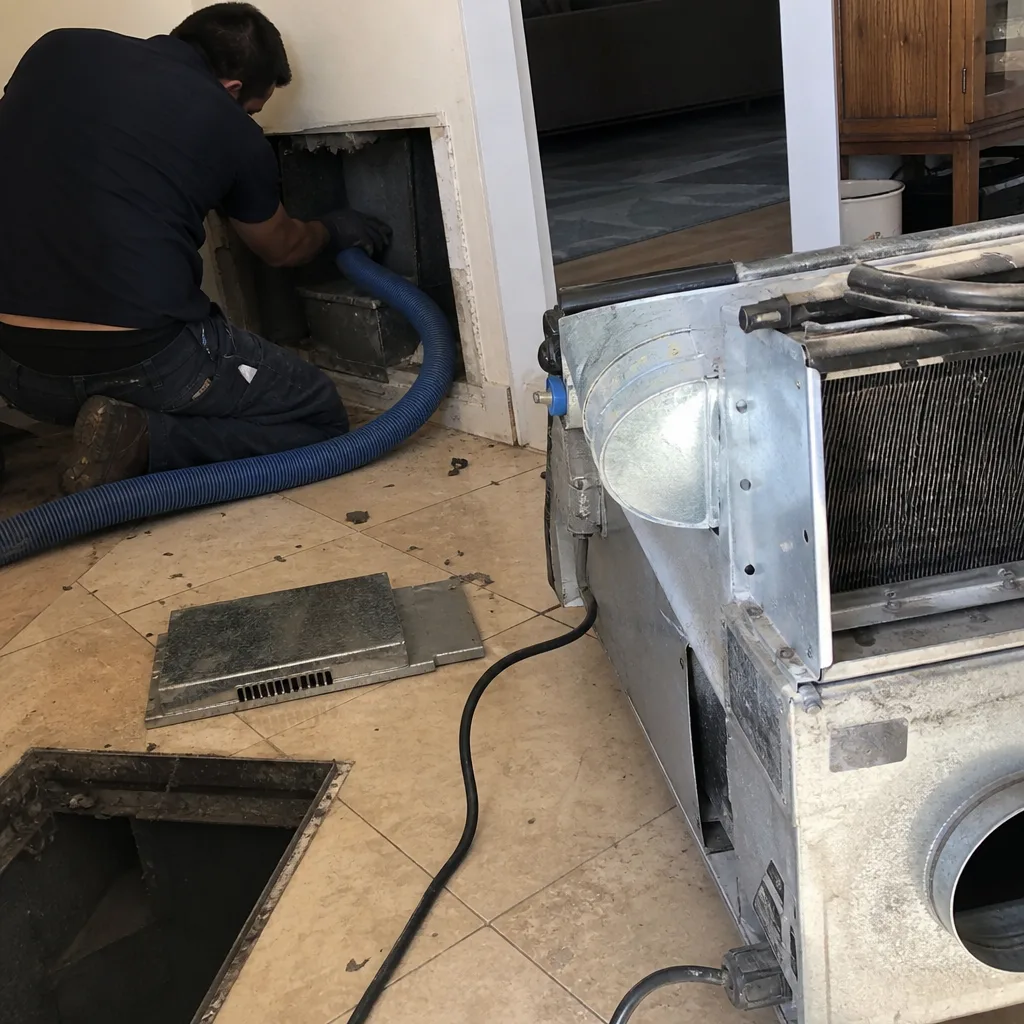 Before
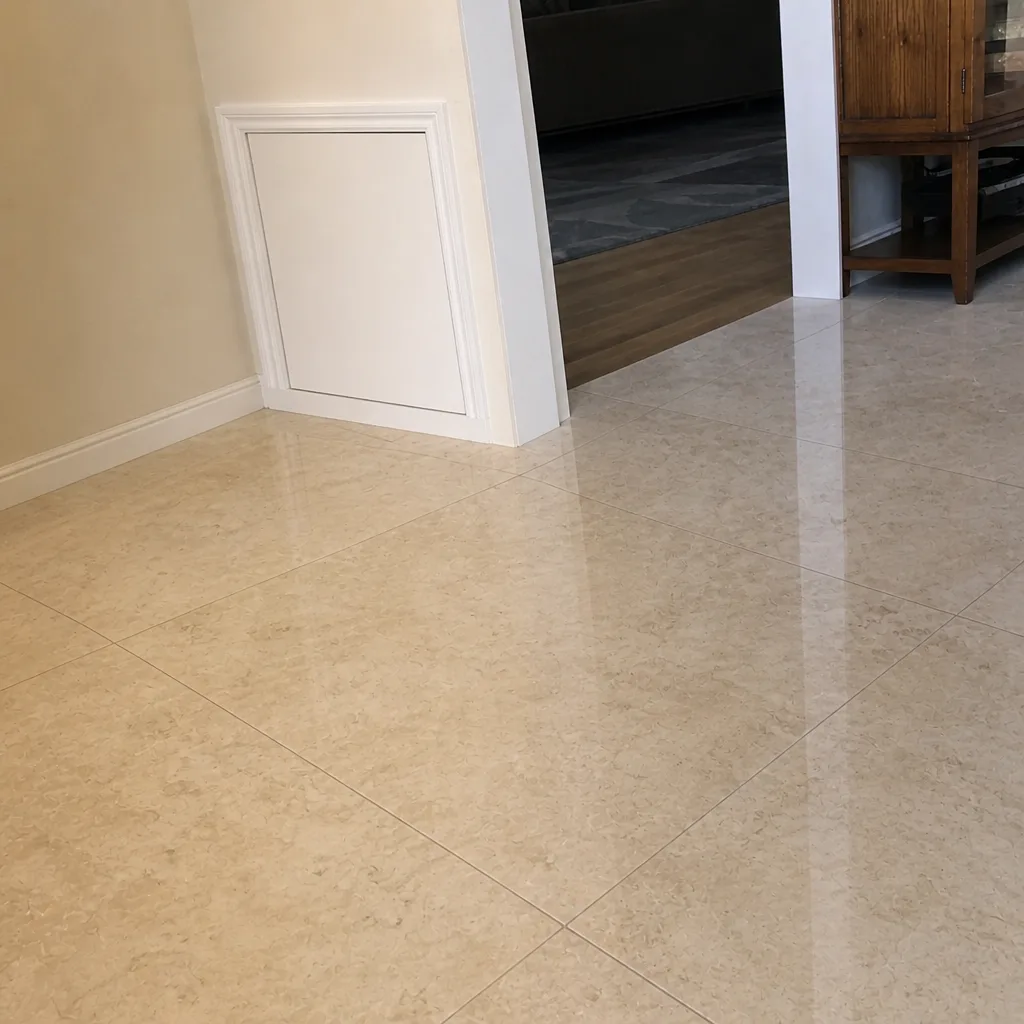 After
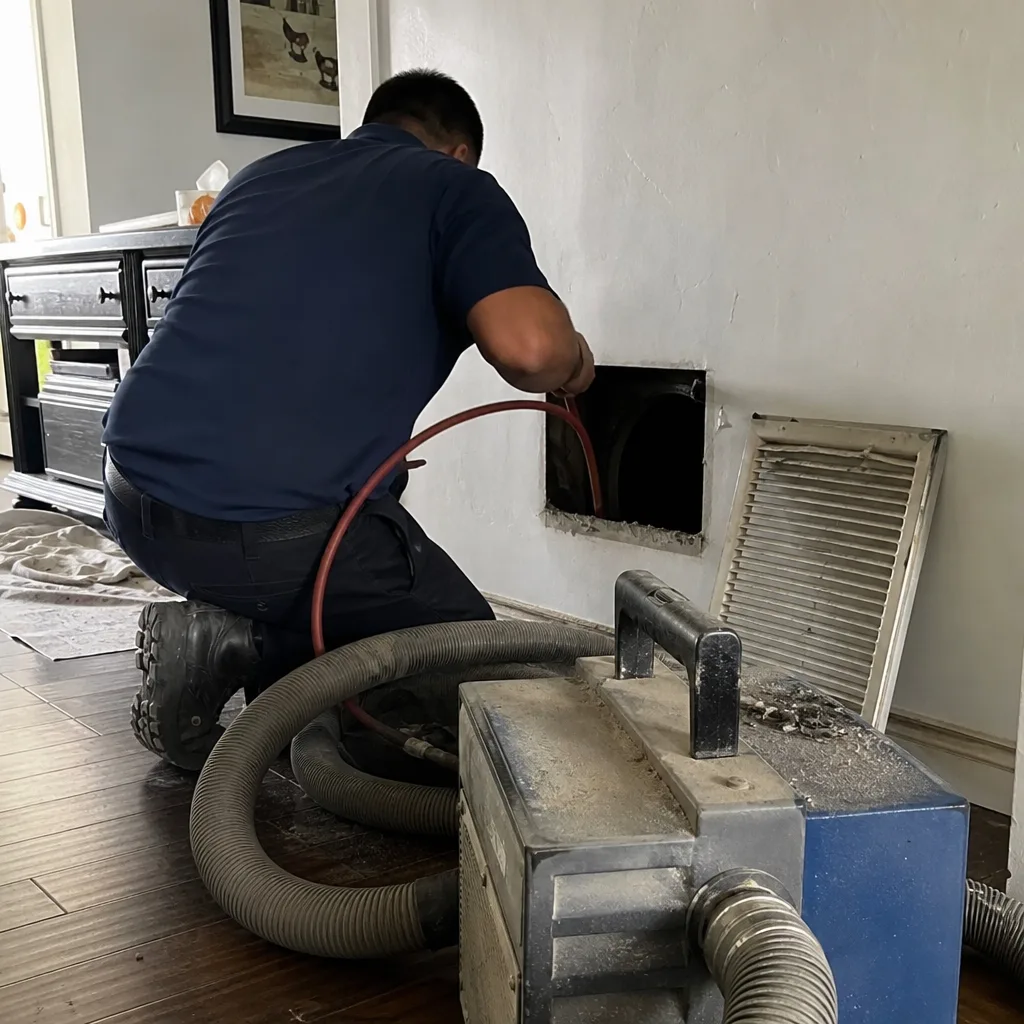 Before
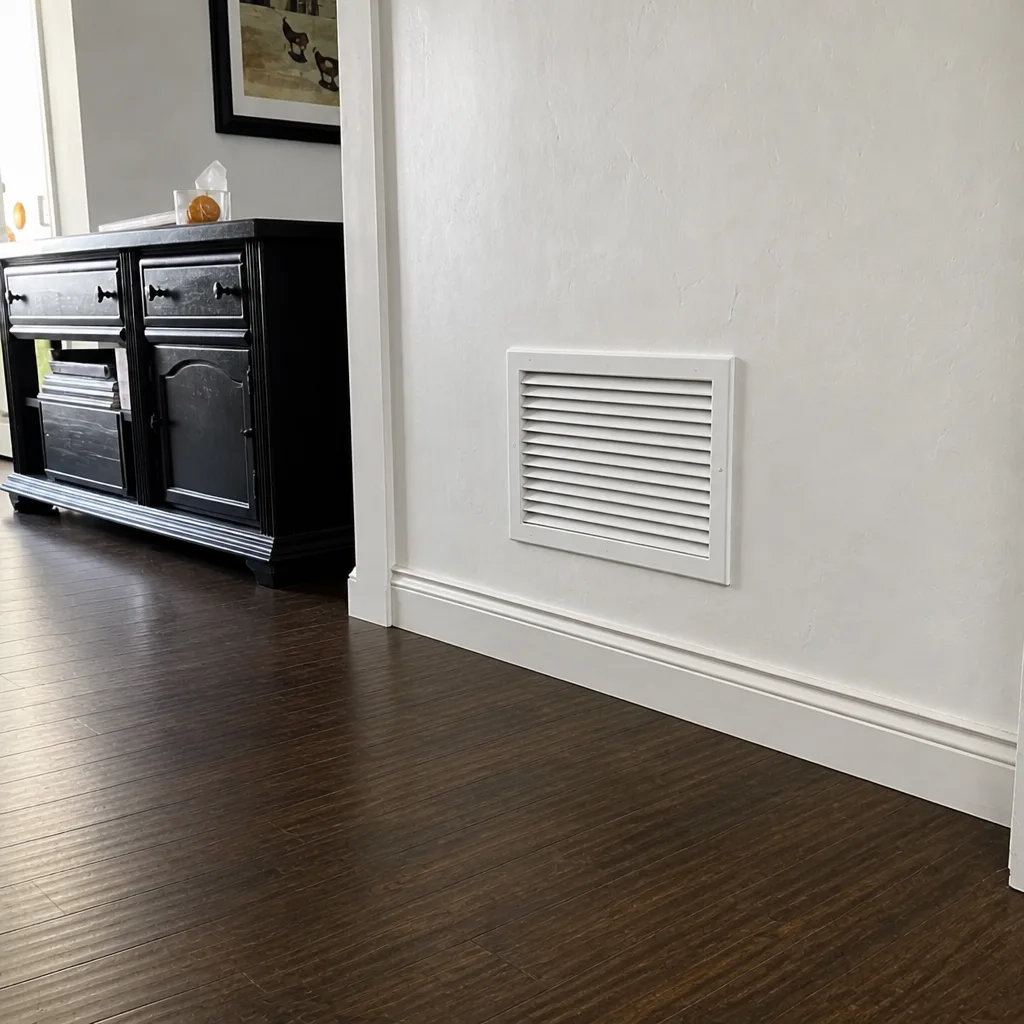 After
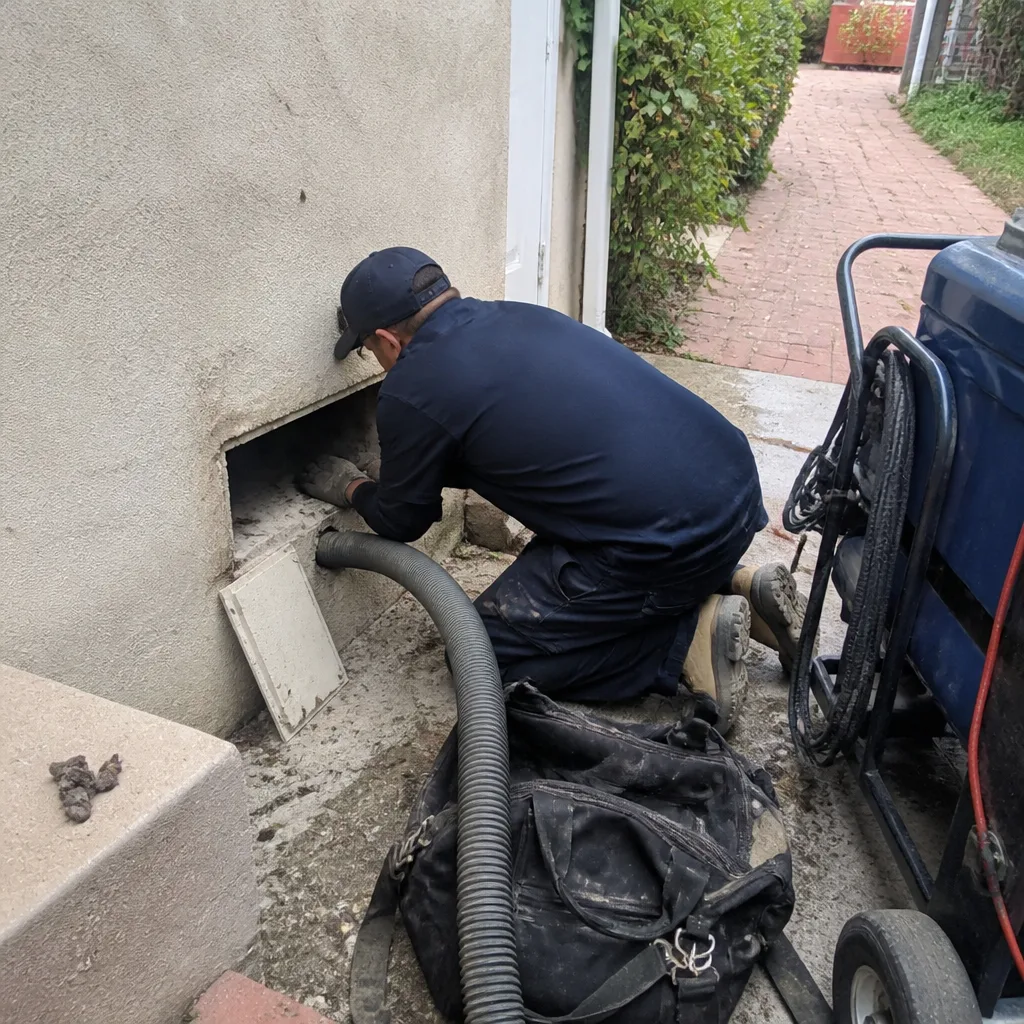 Before
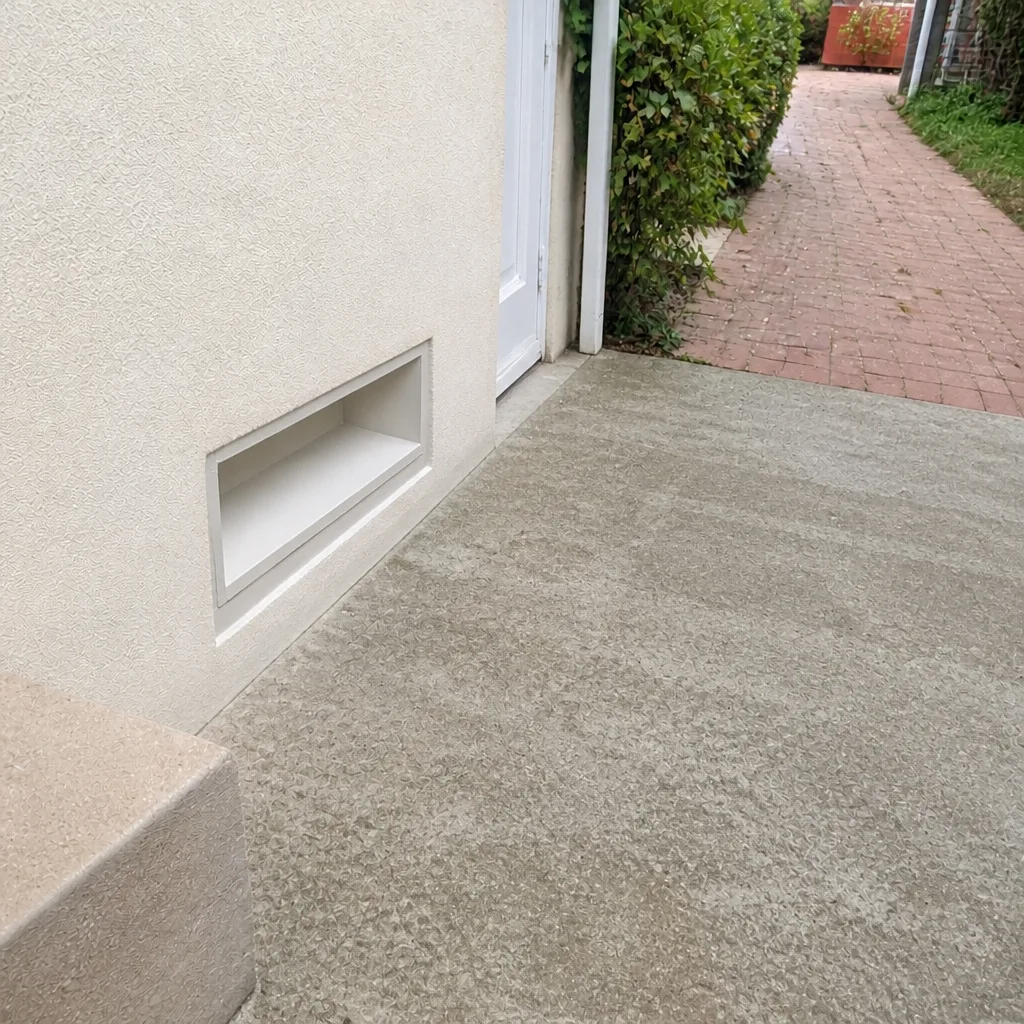 After
When to Call a Professional
Call a professional when you notice symptoms that point to the pathway rather than the room: dust settling quickly after cleaning, odors that appear only when the HVAC runs, rooms that never get enough airflow, or allergy symptoms that spike indoors after a wind event. Call after any regional fire that sent ash into the Valley. Call if the system has never been inspected – most Studio City homes have at least one component that’s never been looked at. Call if a contractor quotes a price before seeing your system. And call if you want the process done with equipment that captures what it disturbs. Air Duct Cleaning Studio City offers free estimates in Studio City – call (855) 658-5111. We answer 24/7. Fast dispatch, 7am-7pm, Sunday through Friday.
Frequently Asked Questions
Pricing depends on the size of the system, the number of runs, and whether repair, sealing, or sanitizing is needed, so the honest answer is that we quote per job after a walkthrough. What you should insist on is one flat price per system, agreed in writing before any work begins, with every component listed. Call (855) 658-5111 for an exact quote – estimates are free.
Cheap quotes usually cover a much smaller scope: registers only, no plenum, no coil, no drain pan, no negative pressure. Sometimes they’re a teaser that grows once the technician is on site. Ask what’s included, line by line, and ask whether the equipment captures debris at the sub-micron level. Call (855) 658-5111 for an estimate that lists the full scope.
Ask for before-and-after photos of your own ducts, not stock images. A contractor should also be able to walk you through what was cleaned and what condition each component was in. We photograph the work on every job. Call (855) 658-5111 to schedule an inspection.
The generic three-to-five-year rule is a starting point, not a schedule, because Studio City’s canyon drafts, Ventura Boulevard traffic, and wildfire ash load the system faster than most markets. Homes near the interchange or in the canyons may need an inspection sooner, and after a heavy ash event an inspection makes sense regardless of timing. Call (855) 658-5111 for an honest read on your system.
We can, but it usually isn’t the right call. Cleaning ducts while leaving a dirty coil, drain pan, and leaking joints in place means the system recontaminates itself. Duct Repair & Sealing is offered as a standalone service precisely because fixing the pathway matters as much as cleaning it. Call (855) 658-5111 to talk through the right scope for your home.
Yes, and it’s more than maintenance. Lint buildup in a dryer vent is a fire-safety issue, and it’s routinely skipped by contractors who only clean ducts. It’s part of our service scope because it’s part of the home’s air pathway. Call (855) 658-5111 to have it included in your estimate.
The Bottom Line
Studio City’s duct problems are shaped by where the neighborhood sits: canyon drafts carrying hillside particulate, traffic loading from the 101/134 interchange and Ventura Boulevard, and wildfire ash that passes standard filters and clings to duct walls. Cleaning that system properly takes three things – professional-grade contact equipment like Rotobrush and Nikro, true negative-pressure HEPA extraction, and a scope that covers the plenum, trunk, branches, coil, drain pan, and dryer vent. Add repair and sealing where the pathway leaks, and sanitizing only after mechanical cleaning is done. One flat price per system, agreed in writing, photos before and after. That’s the standard worth holding any contractor to in Studio City.
Call (855) 658-5111 for a free estimate. We answer 24/7. Fast dispatch, 7am-7pm, Sunday through Friday.
Written by the team at Air Duct Cleaning Studio City.