
Last updated November 20, 2026
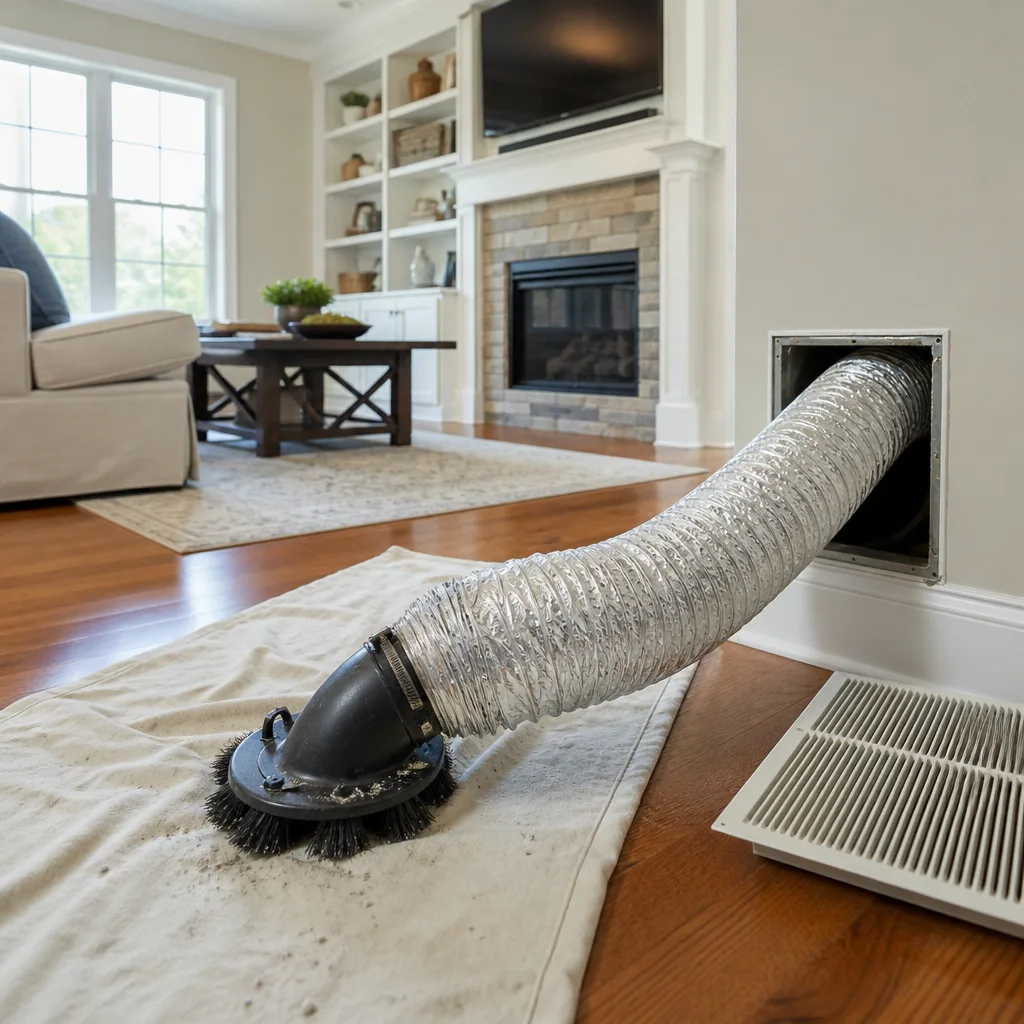 Whole-home duct cleaning
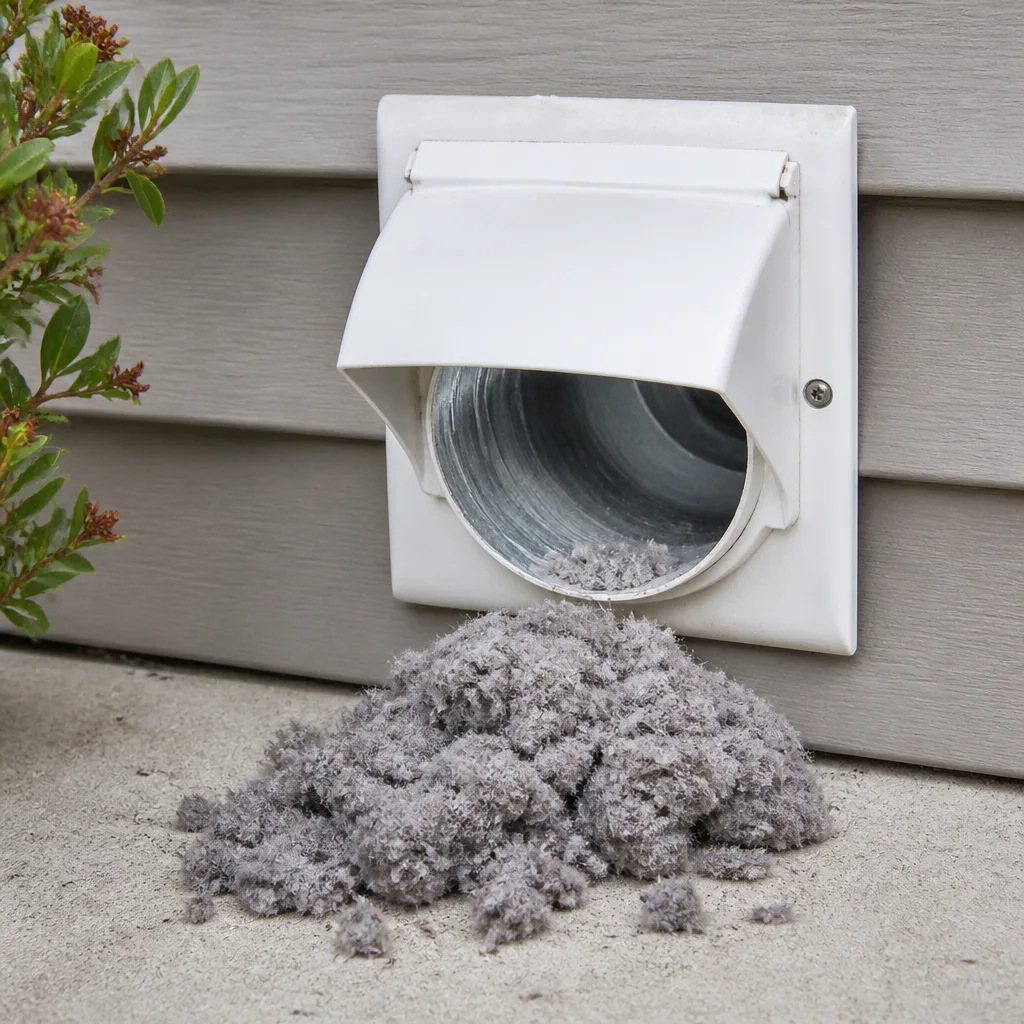 Dryer vent cleaning
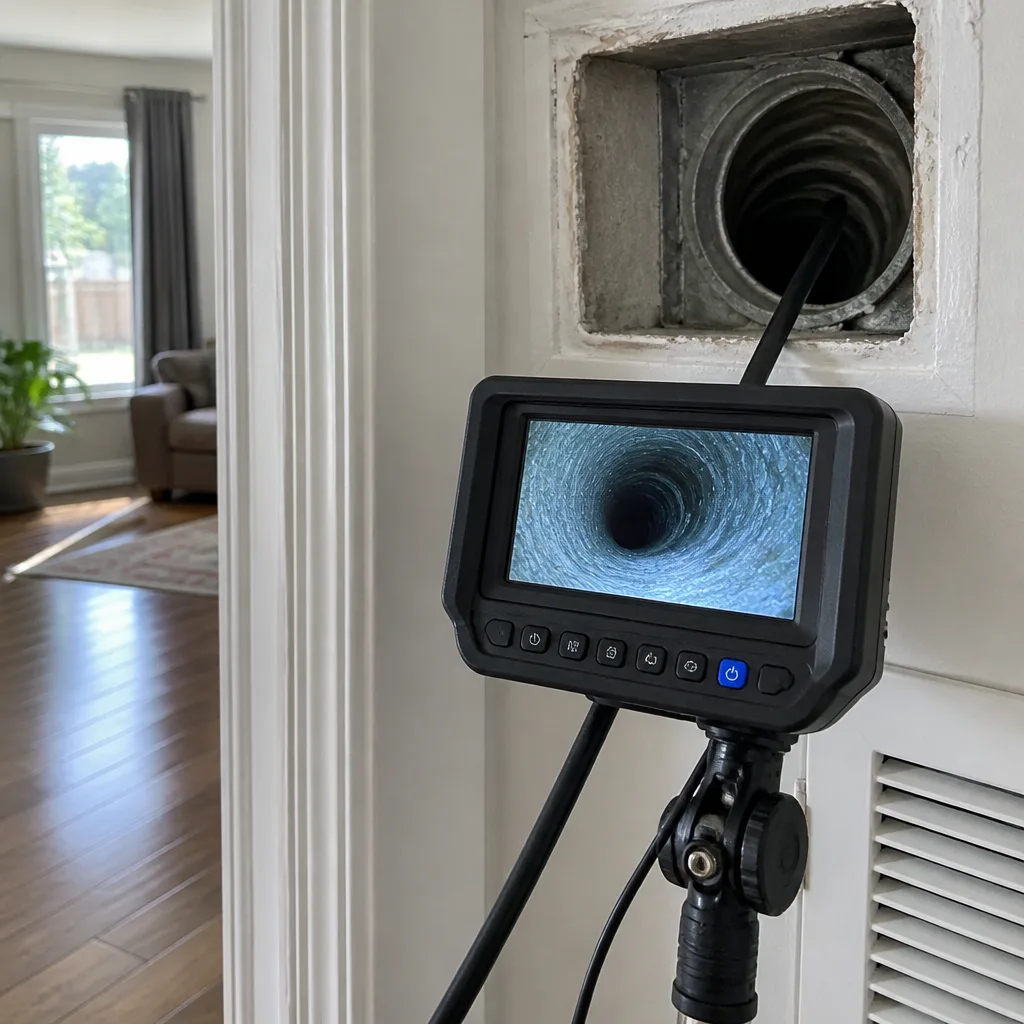 Camera inspection
 Sanitizing & deodorizing
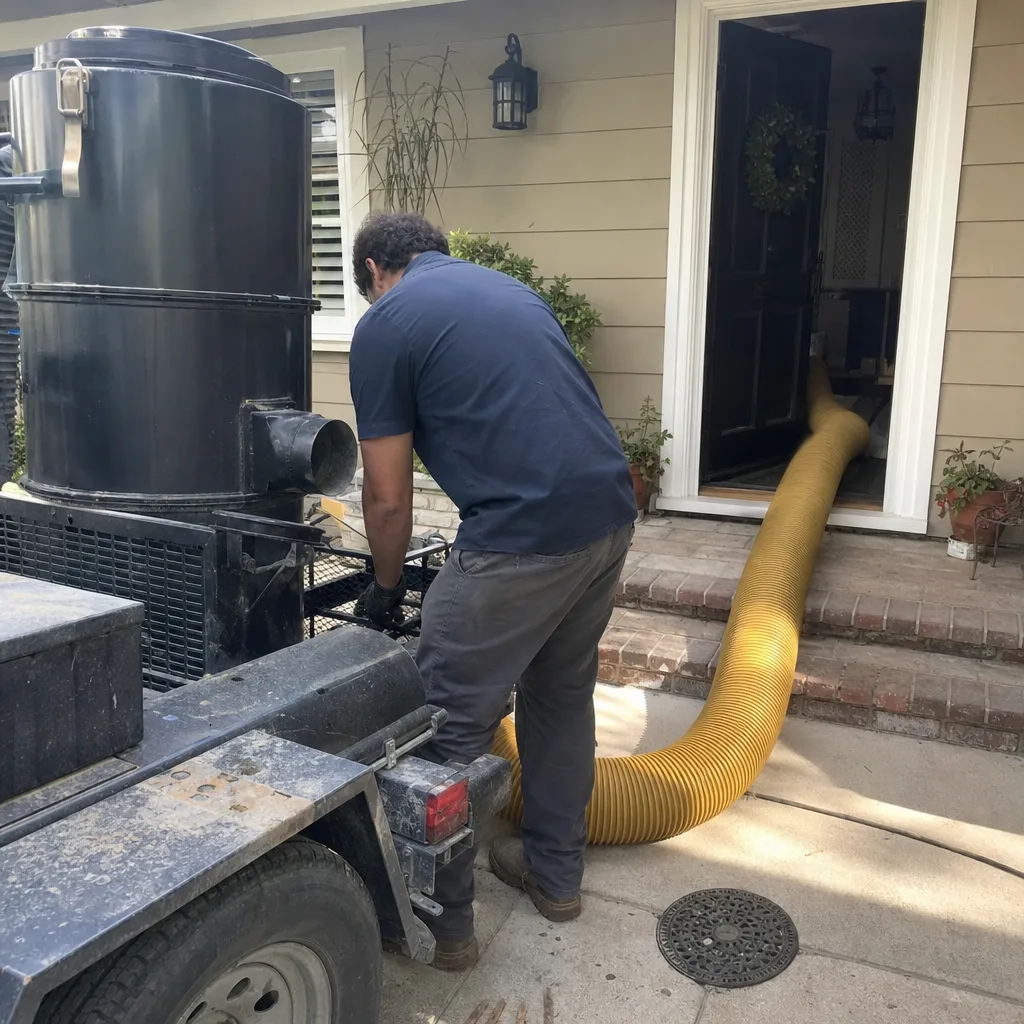
Whole-system duct and dryer vent check with before-and-after photos - you see exactly what came out of your vents
That "$99 whole-house special" is a bait ad - the real number appears once they are in your hallway, or the "clean" is a shop-vac at the register. We photograph the inside of your ducts before and after instead.
Seasonal Air Duct Cleaning Care for Studio City: Year-Round Homeowner’s Guide
Most homeowners schedule duct cleaning in January because the calendar flipped, not because anything in the house changed. For a Studio City home, that’s backwards. By January, Santa Ana season has already pushed its heaviest debris load into the system, and the cooling season hasn’t run long enough to show you what actually accumulated. Studio City doesn’t get four equal seasons. It gets a cool marine layer stretch, a dry heat stretch, and a fire-wind stretch, and each one leaves a different kind of contaminant behind. This guide maps the real local air calendar to specific inspection and cleaning tasks, so you clean at the right moment instead of the symbolic one.
Quick Answer
In Studio City, air ducts collect three distinct contaminant loads across the year: marine-layer dust and pollen from late spring into summer, wildfire smoke and fine ash from late summer into fall, and coarse Santa Ana wind debris from fall into winter. The two most valuable service windows are December or January, right after fire season, and March or April, just before the cooling season starts. Homes near the canyon edges of Studio City often need cleaning every 2 to 3 years rather than the widely cited 3 to 5, because the system runs harder here.
Styles & brands we work with
- Whole-home duct cleaning
- Dryer vent cleaning
- Camera inspection
- Sanitizing & deodorizing
Table of Contents
- Studio City’s real air calendar, phase by phase
- What each phase actually deposits inside your ducts
- The two best cleaning windows in Studio City
- Why summer run time shortens the cleaning interval
- Seasonal coil cleaning and the cost of waiting
- What to do after a nearby wildfire
- The homeowner’s seasonal inspection checklist
- Why dryer vent cleaning belongs on the same calendar
- Common mistakes to avoid
- When to call a professional
What Does Studio City’s Air Calendar Actually Look Like?
Studio City runs on three overlapping environmental phases rather than four tidy seasons, and each phase loads your ductwork with a different category of material. Understanding which phase you’re in tells you what to look for and when it’s worth booking a service.
- Marine layer phase, roughly May through July. Cool, damp air settles over the Valley edge in the mornings and burns off by afternoon. What it leaves behind is fine particulate dust and pollen that stays slightly tacky, so it clings to duct walls instead of blowing straight through to the filter. Homes on the south-facing slopes above Ventura Boulevard tend to see this first.
- Dry heat phase, roughly July through September. The system runs for hours a day, and every hour of run time pulls more of that fine material deeper into the supply runs and across the evaporator coil.
- Fire-wind phase, roughly August through January. Wildfire smoke from the surrounding ranges and the coarse grit that Santa Ana winds drive through the Valley. This is the heaviest single load of the year, and it’s the one most homeowners underestimate because it arrives as invisible fine ash as much as visible grit.
These phases overlap, which is why a fixed “clean every spring” rule doesn’t fit Studio City. The transition weeks matter more than the seasons themselves. When the marine layer breaks and the dry heat sets in, that’s when the accumulated material gets driven deeper. When the fire winds arrive, that’s when the load spikes. Those are the moments worth marking on a calendar.
The neighborhood geography matters too, and it’s not evenly distributed. A home tucked into the hillside streets off Laurel Canyon or up around Fryman Canyon sits closer to open brush and catches more wind-driven debris than a house on a flat block near the Sportsmen’s Lodge. If you’re on the canyon edge, plan your care around the fire-wind phase first. If you’re on the Valley floor, the marine layer and dry heat phases drive most of what you’ll find.
What Each Phase Deposits Inside Your Ducts
Not all duct contamination is the same, and the phase-by-phase breakdown explains why a single annual cleaning misses the point. Each phase leaves a physically different residue, and each responds to a different part of the cleaning process.
Marine layer residue
Fine, slightly damp particulate that packs onto duct surfaces and the return side of the system. It’s the easiest to lift with mechanical contact cleaning because it hasn’t baked on yet. Left alone through the dry heat phase behind it, it dries into a thin film that clings harder.
Dry heat accumulation
Extended run time in summer pulls loose dust and the dried marine layer film deeper into supply runs and pushes it against the evaporator coil. This is an accumulation phase more than a deposition phase: the material was already in the system, and the run time moves it somewhere harder to reach.
Fire-wind debris
Invisible fine ash mixed with coarse grit. The grit settles in return plenums and low spots; the ash travels the whole pathway and can pass through a standard filter. This is the load that makes post-season cleaning worth doing regardless of where you sit on your normal schedule.
Because these residues differ, the cleaning method matters. Professional-grade equipment from Rotobrush and Nikro uses mechanical contact cleaning that agitates and removes material from the duct walls rather than blowing loose dust around. That distinction is the difference between a system that’s actually clean and one that just smells cleaner for a week.
Clean it, seal it, treat it is the sequence that handles all three loads. Mechanical cleaning removes the material. Duct repair and sealing addresses the compromised joints and leaks that let the next phase’s debris straight into the system. Sanitizing with products like Guardsman addresses what’s left on the surfaces after the physical material is gone. Skip any of the three and the next phase refills the gap.
When Are the Two Best Cleaning Windows in Studio City?
The two highest-value service windows in Studio City are December or January, immediately after fire-wind season, and March or April, just before the cooling season begins. Both capture the system when the accumulated load is at its peak and before the next phase drives it deeper.
December or January: the post fire-season window
By the turn of the year, the fire-wind phase has deposited its full load. You haven’t yet started running the system hard for cooling, so the accumulated material is still sitting where it landed rather than being driven into the coil and the deepest supply runs. Cleaning now removes the heaviest single load of the year before the run time of summer pushes it somewhere harder to reach. If you can only book one cleaning a year, this is the one.
March or April: the pre cooling-season window
The second most valuable window catches the system just before it starts working hardest. Cleaning in early spring means the system enters the summer with clean ducts and a clean coil, so the run time goes toward cooling the house instead of pushing old debris around. For homes on the canyon edge with a shorter interval, pairing a March inspection with your December cleaning keeps the system on track through both.
Why “clean in January because the year started” misses
A January cleaning isn’t wrong, but only if you understand you’re booking it for the fire-season load, not for the calendar. The reasoning matters because it sets your next appointment. If you clean in January for the fire load, your next check-in is early spring before the run time starts. If you clean in March for the cooling season, your next check-in is after the fire winds. Either sequence works. Picking the phase, not the date, is what makes it work.
One practical note: schedule the cleaning before you need the cooling, not during the first hot week. In our experience, homeowners in Studio City call in the first heat wave because the system suddenly feels weak, and by then the diagnosis and cleaning are competing with the calendar. A spring booking avoids that.
Why Does Summer Run Time Shorten the Cleaning Interval?
The widely cited national guideline is to clean air ducts every 3 to 5 years. In Studio City, canyon-edge homes often need it every 2 to 3 years because the system runs far more hours across a Valley summer than a system in a milder climate. Run time is the variable most guidance ignores.
Every hour the system runs, it moves air through the same ductwork. That air carries whatever is suspended in it, and over a long cooling season a lot of it deposits on duct walls and the coil. A system in a cooler climate might run a few hundred hours a summer. A Studio City system runs through a long, dry, dusty cooling season with the marine layer and fire-wind loads layered on top. The hours add up faster than the calendar suggests.
That’s why the interval isn’t a fixed number and why it changes with where in Studio City you live:
- Canyon-edge and hillside homes near open brush catch more wind-driven material and run the system harder against a larger heat load. Plan on the shorter end of the interval and inspect annually.
- Valley-floor homes on flatter blocks get a more even load and can usually hold closer to the longer end, provided the marine layer and dry heat phases are handled.
- Homes with pets, recent remodeling, or a lot of open windows pull in more material regardless of location and should lean toward the shorter end.
The honest way to know is to look. A visual inspection of the return plenum and a look at the coil tells you what’s actually there. If the system is loading up faster than your interval, shorten it. If it’s still reasonably clean, you’ve saved an unnecessary service. What matters is matching the interval to the home, not a number in a brochure.
Seasonal Coil Cleaning: The Cost of Waiting Until You Notice
Evaporator coil fouling accelerates in Studio City summers because the coil works continuously against a heavy particulate load, and the drop in efficiency shows up long before it becomes visible. A fouled coil makes the system run longer to reach the same temperature, and that extra run time pulls more debris in. It’s a compounding problem.
The coil is the single most expensive component to ignore. When it’s coated with the dried marine-layer film and summer dust, it can’t transfer heat efficiently. The system runs longer, uses more energy, and the homeowner notices the bill climb without knowing why. By the time it’s visible on the coil face, the efficiency loss has already been happening for a season.
Seasonal coil cleaning belongs in the pre-summer window alongside duct cleaning. That means:
- Clean the ducts first so the coil isn’t being recontaminated by the supply and return runs behind it.
- Clean the evaporator coil as part of the same visit, so the whole air pathway is addressed before the run time starts.
- Check the filter and the return plenum for the coarse grit that settles in low spots during the fire-wind phase.
- Note the coil condition so the next season’s inspection has a baseline.
This is where HVAC cleaning as a standalone service earns its place. A duct-only cleaning leaves the coil untouched, and the coil is where the efficiency loss actually lives. Addressing ducts and HVAC components in the same visit is the difference between a system that’s clean and one that performs.
If you’re already booking HVAC cleaning for the season, adding a coil inspection costs nothing in scheduling and catches fouling before it shows up in the energy bill.
What Should You Do Immediately After a Nearby Wildfire?
After a nearby wildfire, regardless of where you are in your cleaning schedule, the first steps are to stop pulling outside air into the house and to document what the system took in. The specific order matters more than the individual steps.
- Close windows and doors and switch the system to recirculate if it has that setting. Keep the outdoor air out while the smoke and ash are still settling.
- Change the filter before you run the system again. A loaded filter is the first line of defense and it’s already full of what the fire-wind phase pushed in. Swap it out, then run the system.
- Inspect the return plenum and the area around the air handler for visible ash or grit. Coarse material settles there first. If you see it, the system took in a load and it’s worth a professional inspection.
- Watch for smoke odor that persists after the filter change. Odor that stays in the ducts after the visible material is gone is a sign the fine ash has traveled the whole pathway and needs mechanical cleaning and a sanitizing treatment to remove.
- Book a post-season cleaning at the normal fire-season window if the smoke load was heavy. Even if the system seems fine, the fine ash that passed the filter is exactly what the December or January cleaning is designed to catch.
The mistake homeowners make after a wildfire is treating the filter change as the whole job. The filter catches the large material; the fine ash that gets through is what lodges on the coil and in the supply runs and can keep a smoke smell in the house for months. If you smell it, the system needs more than a filter.
If a fire burned close to your home, don’t wait for the scheduled window. Call (855) 658-5111 and we’ll talk through what you’re seeing. We answer 24/7. Fast dispatch from 7am to 7pm, Sunday through Friday.
The Homeowner’s Seasonal Inspection Checklist
You don’t need equipment to catch the early signs. A short walkthrough at the start of each phase tells you whether the system is keeping up or falling behind, and it gives a professional something concrete to work from.
- Before the dry heat phase: check the filter for fine marine-layer dust and replace it if it’s loaded. Look at the return grille for visible film.
- Mid-summer: notice whether the system is running longer to reach the same temperature. A gradual climb in run time is the first sign of coil fouling.
- Before the fire-wind phase: make sure windows and doors seal reasonably, and know where your filter is and how to change it.
- After the first fire winds: check the filter again and look in the return plenum for grit. If you find coarse material, note it.
- Before the cooling season: book the pre-summer cleaning and coil inspection if you’re in your service window.
Keep a short note of what you see and when. A note that says “coil looked dirty in March, cleaned in April, run time felt normal by June” is worth more to the next inspection than a memory. It’s also the honest way to match your cleaning interval to your actual home instead of a generic number.
If your walkthrough turns up leaking joints, disconnected runs, or gaps in the ductwork, that’s a repair and sealing issue, not a cleaning one. Sealing is a standalone service for exactly that reason: cleaning a leaking system and leaving the leaks in place means the next phase’s debris walks right back in through the gaps.
Why Does Dryer Vent Cleaning Belong on the Same Calendar?
Dryer vent cleaning isn’t optional – it’s a fire code issue, and it belongs on the same seasonal calendar as the rest of the air system. Lint is highly flammable, and a vent that’s loading up over a year of use is a fire risk that has nothing to do with how clean the ducts are.
Pair it with the fire-wind phase. The same dry, windy conditions that drive debris into the ducts also dry out lint in the vent run. A blocked or restricted dryer vent traps heat, and heat plus lint is the risk. Cleaning the vent at the same time as the post-season duct cleaning means the whole air pathway is handled in one pass, including the one component most duct-only providers skip.
Signs the dryer vent needs attention before your scheduled window:
- Clothes take longer than usual to dry.
- The dryer or the outside vent feels hot to the touch.
- The outside vent flap doesn’t open fully when the dryer runs.
- Lint accumulates around the vent opening or behind the dryer.
If you notice any of these, book dryer vent cleaning before the next laundry cycle rather than waiting for the calendar. The seasonal schedule is a floor, not a ceiling.
Common Mistakes to Avoid
- Cleaning in January because the year started. Clean in January because fire season ended. The reason sets your next appointment, and the calendar alone doesn’t tell you what’s in the system.
- Treating the filter change as wildfire cleanup. A new filter catches the large material but lets the fine ash through. If smoke smell persists after the change, the system needs mechanical cleaning and treatment, not another filter.
- Cleaning the ducts and skipping the coil. The duct cleaning is the right first step, but the efficiency loss from coil fouling happens on the coil. A duct-only visit leaves it untouched.
- Ignoring leaks because the ducts are “clean.” A leaking joint lets the next phase’s debris straight back in. Duct repair and sealing in the same visit is what makes the cleaning hold.
- Following the 3-to-5 year rule in a canyon-edge home. Long summer run time shortens the real interval. Inspect annually and let the condition of the system set the schedule, not the brochure.
- Skipping the dryer vent. It’s a fire code issue, not a duct-cleaning up-sell, and it belongs on the same seasonal calendar.
- Booking the first hot week in July. Schedule the pre-summer cleaning in spring, before the run time starts and before the first heat wave fills the calendar.
See the difference
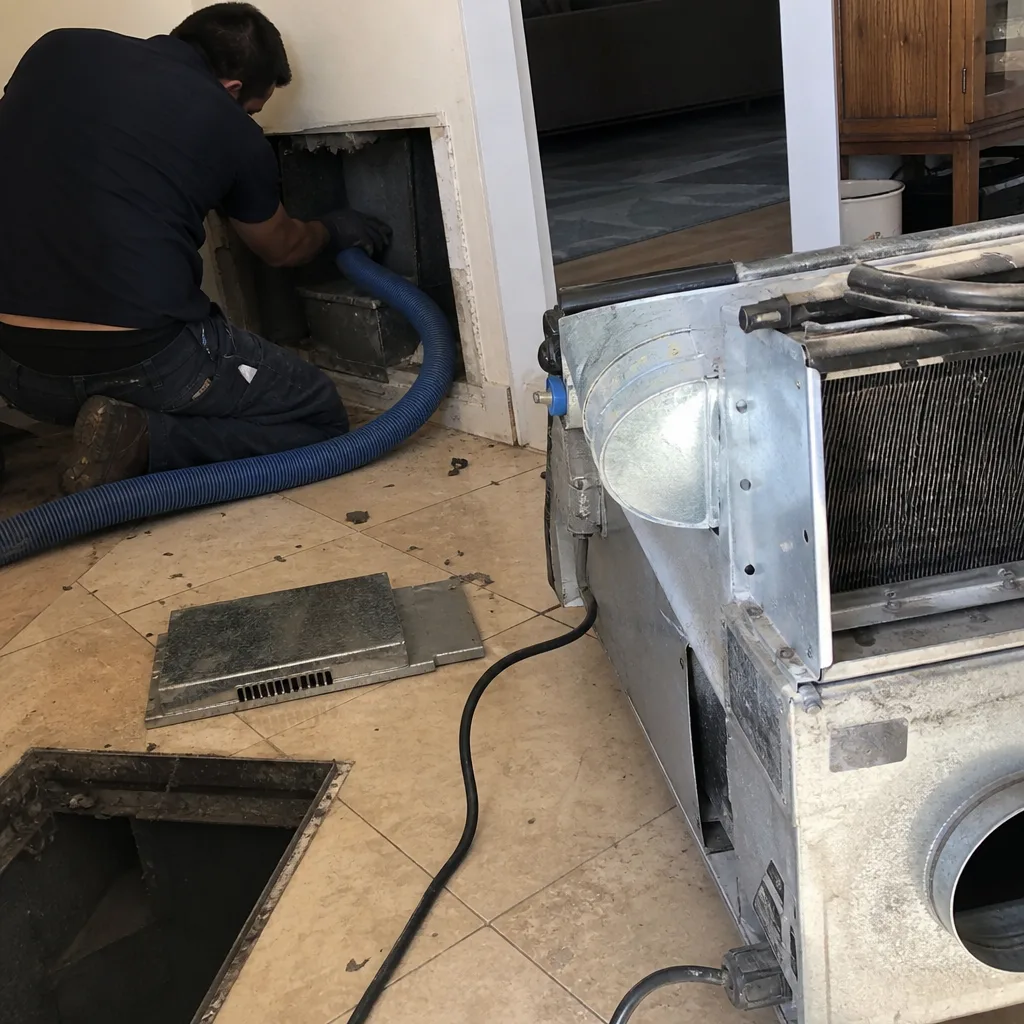 Before
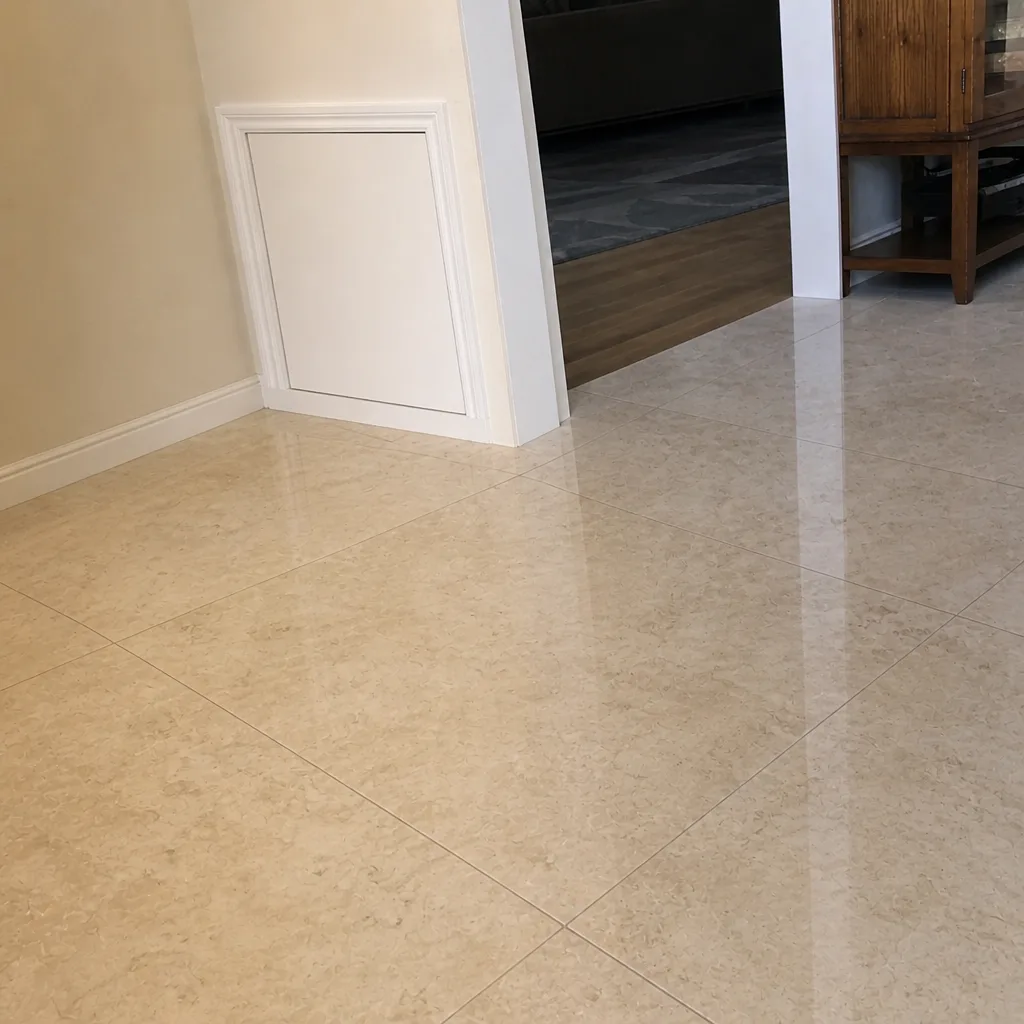 After
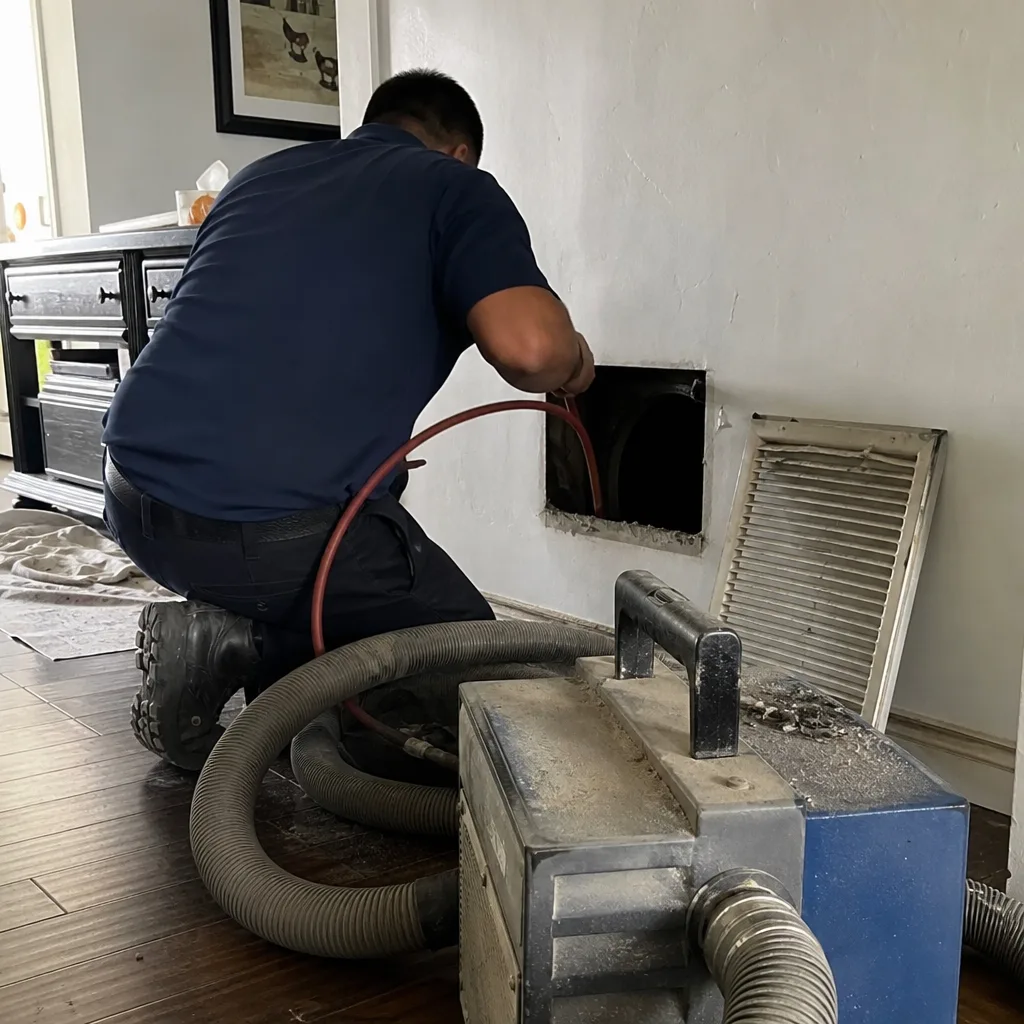 Before
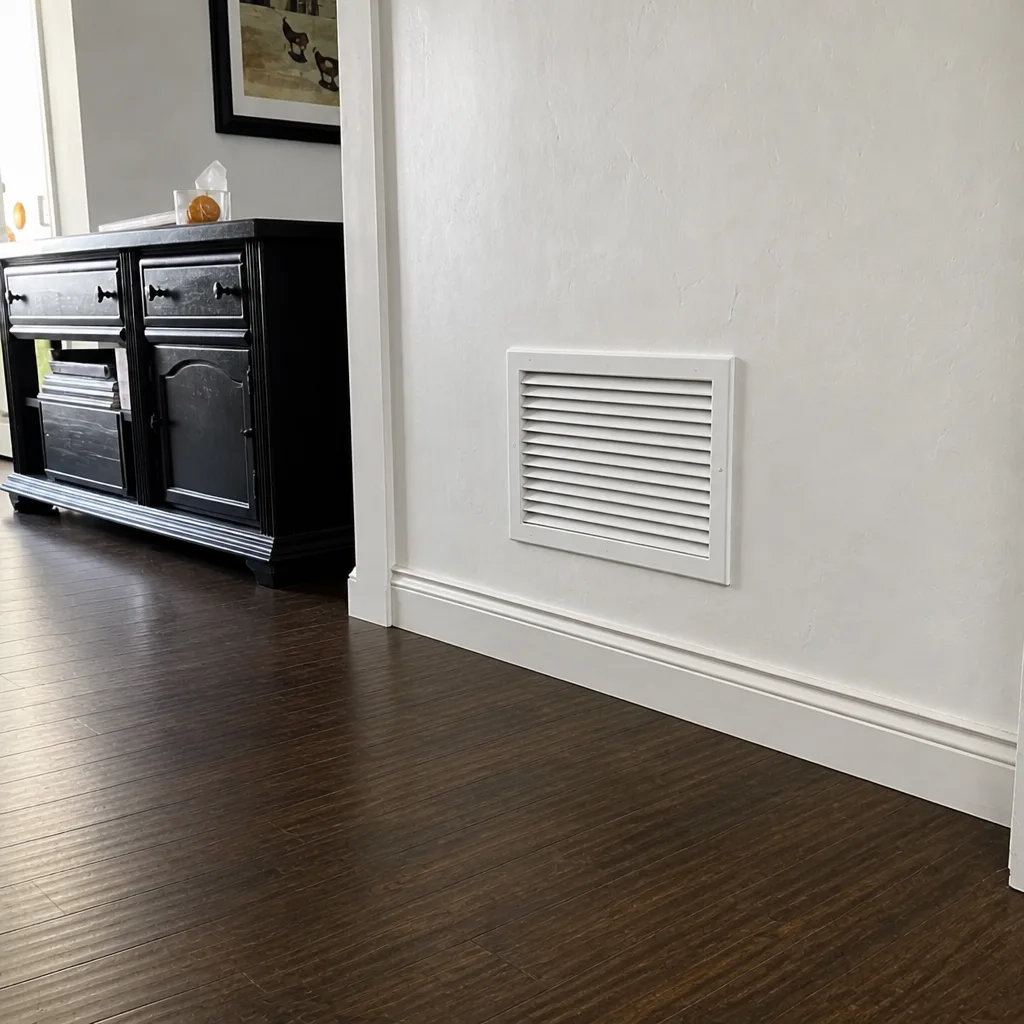 After
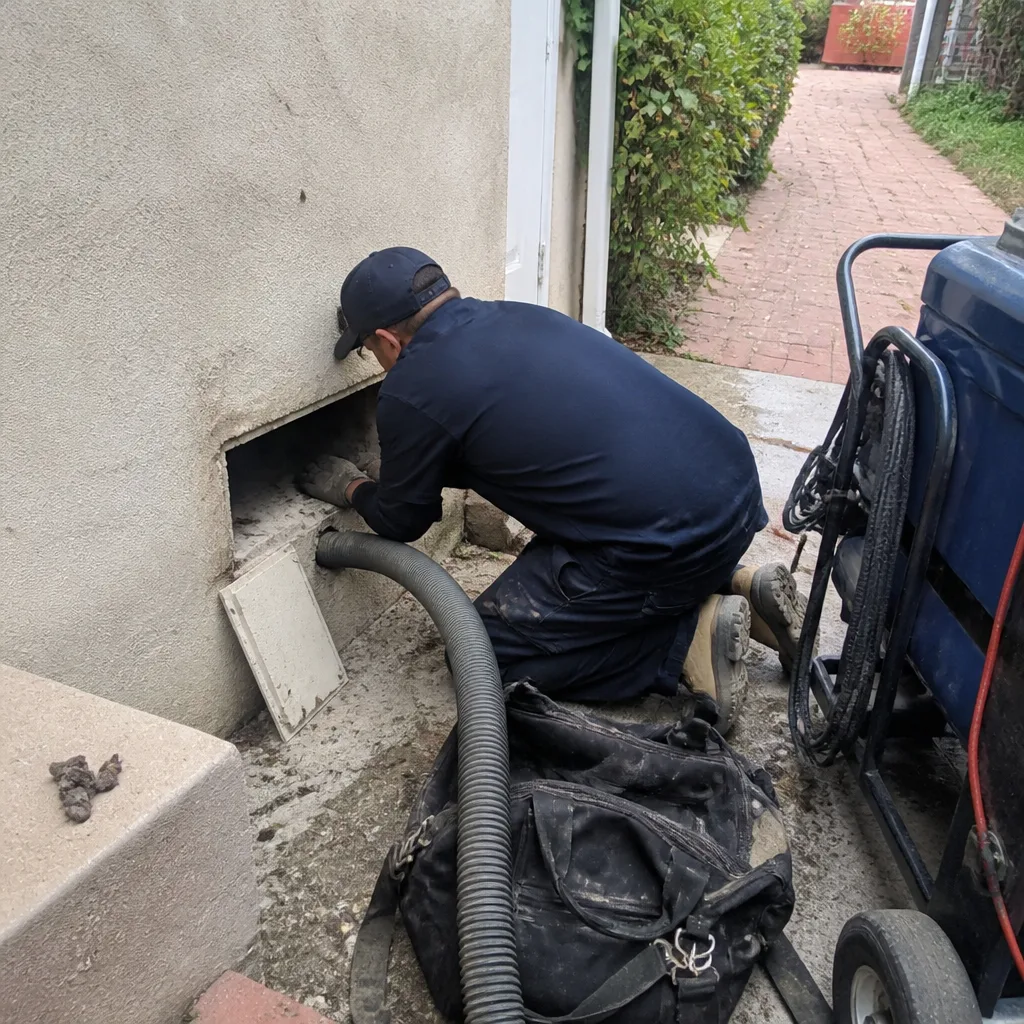 Before
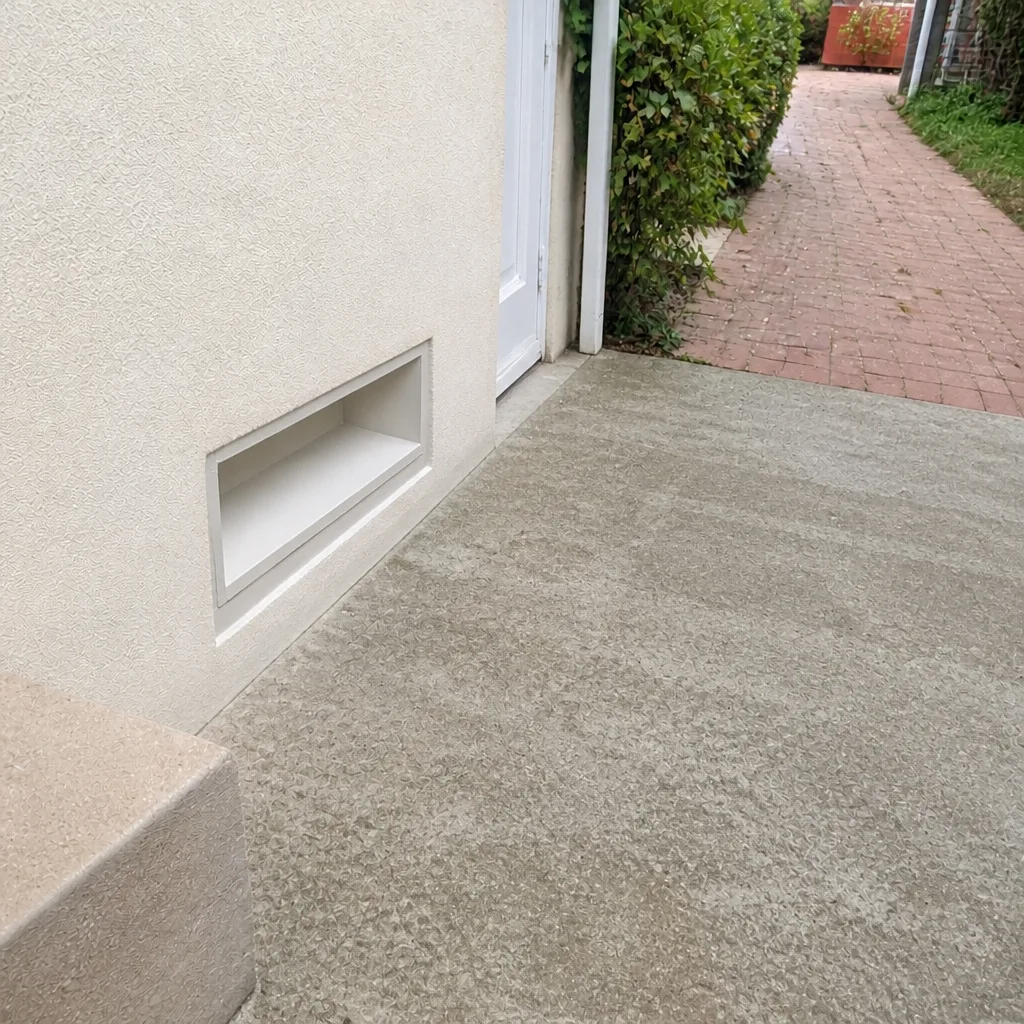 After
When to Call a Professional
Some of this work is a walkthrough and a filter change. Some of it needs professional equipment and a trained eye. Call a professional when you find coarse grit or ash in the return plenum after fire season, when the system runs noticeably longer to reach the same temperature, when you notice a persistent musty or smoke odor after a filter change, or when you see gaps, disconnected runs, or leaking joints in the ductwork. Also call if it’s simply been more than 2 to 3 years since the last cleaning and you’re in a canyon-edge home, or more than 3 to 5 in a Valley-floor home. A visual inspection answers the interval question faster than guessing. Air Duct Cleaning Studio City offers free estimates in Studio City – call (855) 658-5111. We answer 24/7. Fast dispatch from 7am to 7pm, Sunday through Friday.
Frequently Asked Questions
Most Studio City homeowners should plan on cleaning every 2 to 3 years if they live near the canyon edge, and every 3 to 5 years on the Valley floor. The shorter interval reflects the long summer run time and the layered marine-layer, dry-heat, and fire-wind loads. A visual inspection confirms whether your home is loading faster or slower than that. Call (855) 658-5111 for an exact quote – estimates are free.
Yes, if the fire-wind load was heavy or a fire burned close to your home. The spring cleaning handles the marine-layer and dry-heat load, but the fire-wind phase deposits a different, finer material that a spring cleaning can’t address. A December or January follow-up catches it. In our experience, homes near open brush in the hills west of Laurel Canyon feel this most. Call (855) 658-5111 to talk through what you’re seeing.
Cheap quotes usually skip the coil, the return plenum, or the mechanical contact cleaning that actually removes material from the duct walls, and some rely on a wand-and-blow method that moves dust rather than removing it. The right question isn’t the price – it’s what the quote includes. Ask whether the coil and return are covered and what equipment is used. Call (855) 658-5111 for an exact quote – estimates are free.
Ask for before-and-after photos of your own ducts and coil. A professional-grade contact cleaning with Rotobrush or Nikro equipment shows a visible difference, and the photos let you see it yourself rather than take it on faith. The alternative – a promise and an invoice – tells you nothing. Call (855) 658-5111 to schedule an estimate.
Not always a full cleaning, but it means an inspection is worth it. Change the filter first, then look in the return plenum for grit and see whether a smoke odor persists after the filter change. If either turns up, the system took in a load and mechanical cleaning plus treatment is the answer. If the system seems clear, you can wait for the normal fire-season window. Call (855) 658-5111 if you’re not sure what you’re seeing.
No, a shop vacuum can’t reach the duct walls the way professional-grade mechanical contact equipment does, and it won’t address the coil or the return plenum. It can also spread loose material back into the living space. The fine ash and dried film that build up in Studio City ducts need agitation and containment, not suction alone. Call (855) 658-5111 for a professional assessment – estimates are free.
The Bottom Line
Studio City’s air calendar runs in three phases, not four seasons, and the right cleaning schedule follows the phases rather than the calendar. The two most valuable windows are December or January, right after fire-wind season, and March or April, just before the cooling season starts. Canyon-edge homes should plan on the shorter 2-to-3 year interval; Valley-floor homes can usually hold closer to 3-to-5. Address the coil, the leaks, and the dryer vent in the same pass, because cleaning a system with a fouled coil and open joints is a partial job. And after a nearby wildfire, change the filter, check the return, and watch for odor before deciding the system is fine. If you want the full air pathway – ducts, HVAC components, dryer vent, and air quality systems – handled by one provider with professional-grade equipment, Air Duct Cleaning Studio City is here. Book a free estimate and we’ll match the service to where your home actually is on the calendar. Call (855) 658-5111. We answer 24/7. Fast dispatch from 7am to 7pm, Sunday through Friday.
Written by the team at Air Duct Cleaning Studio City.