
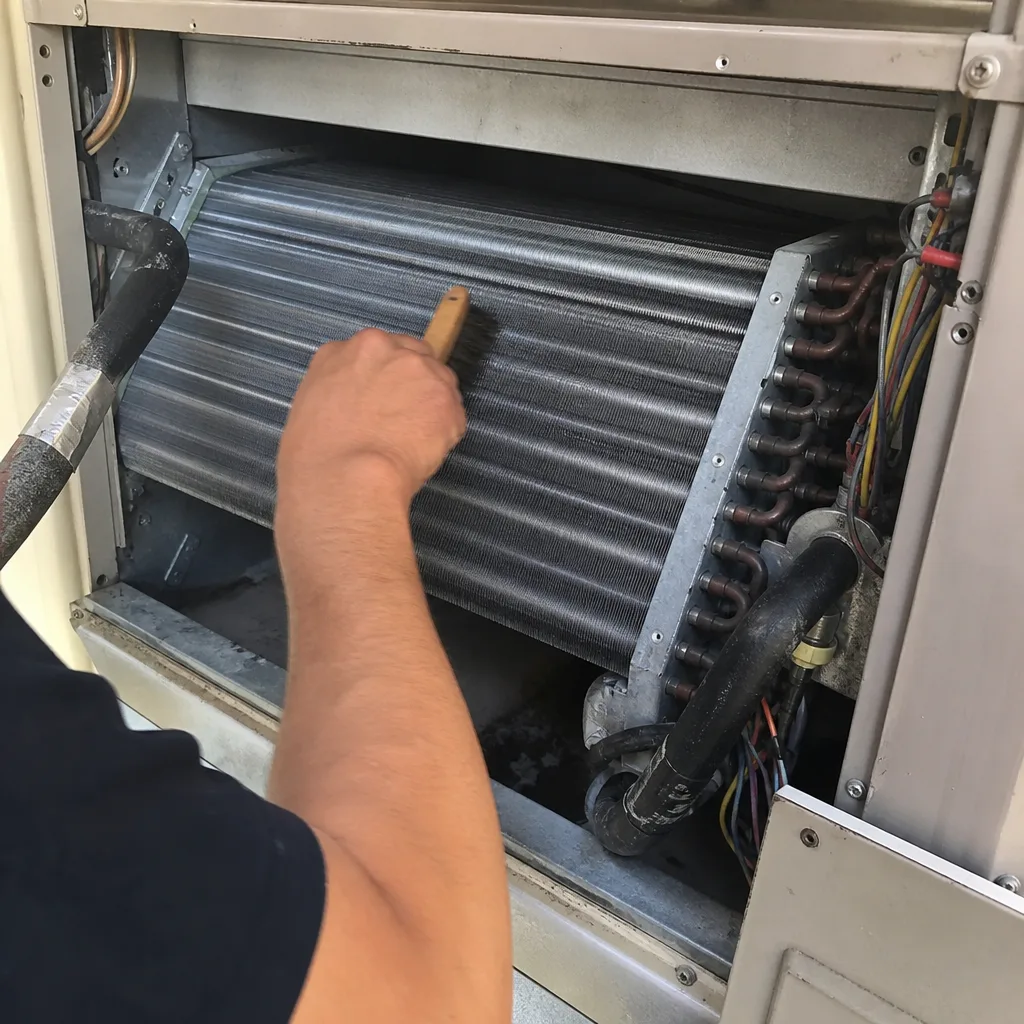
Last updated November 20, 2026
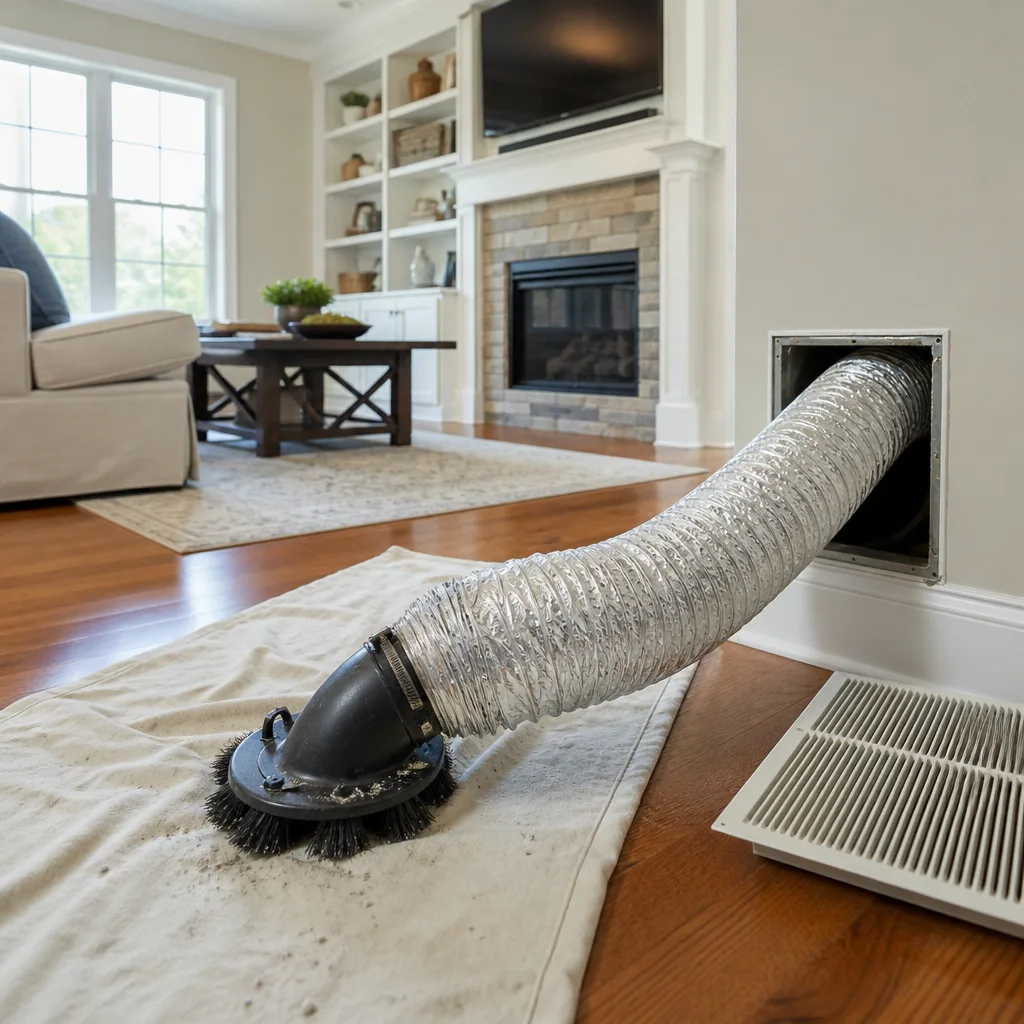 Whole-home duct cleaning
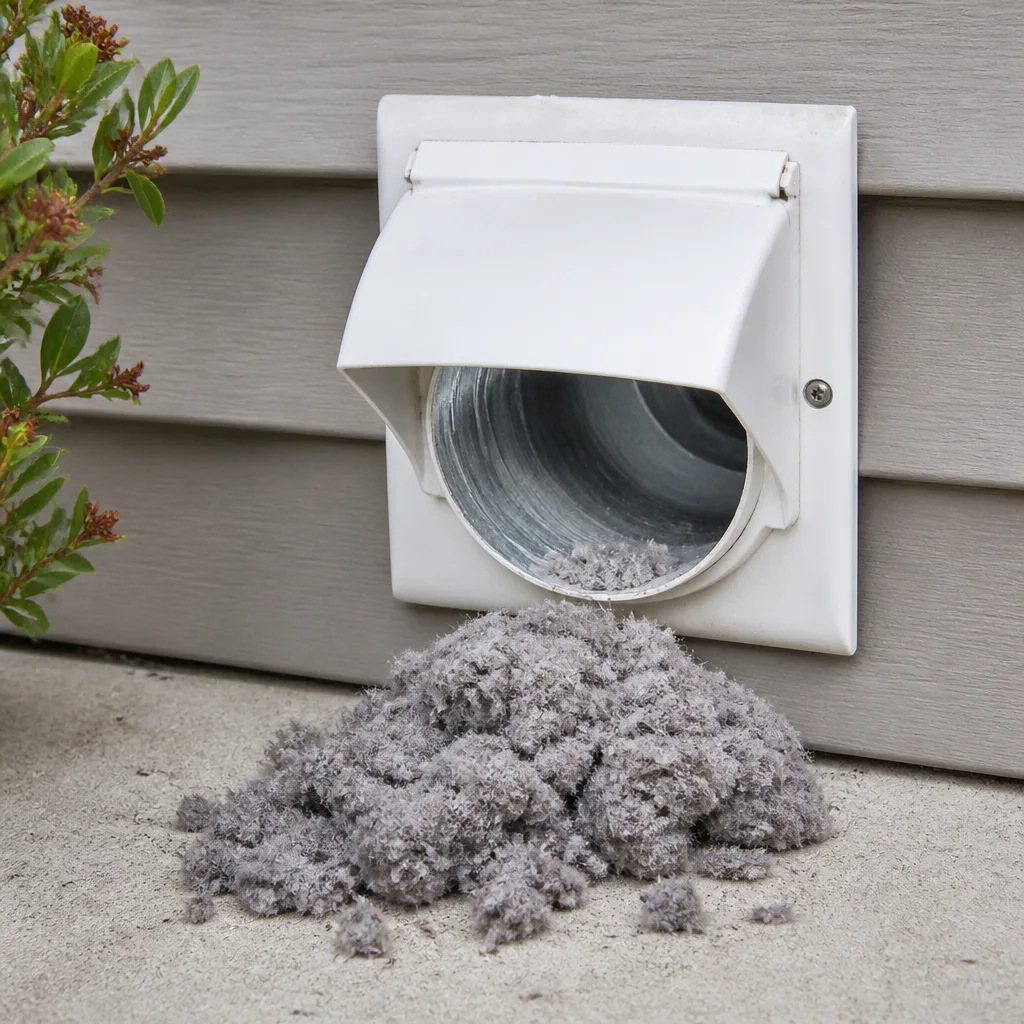 Dryer vent cleaning
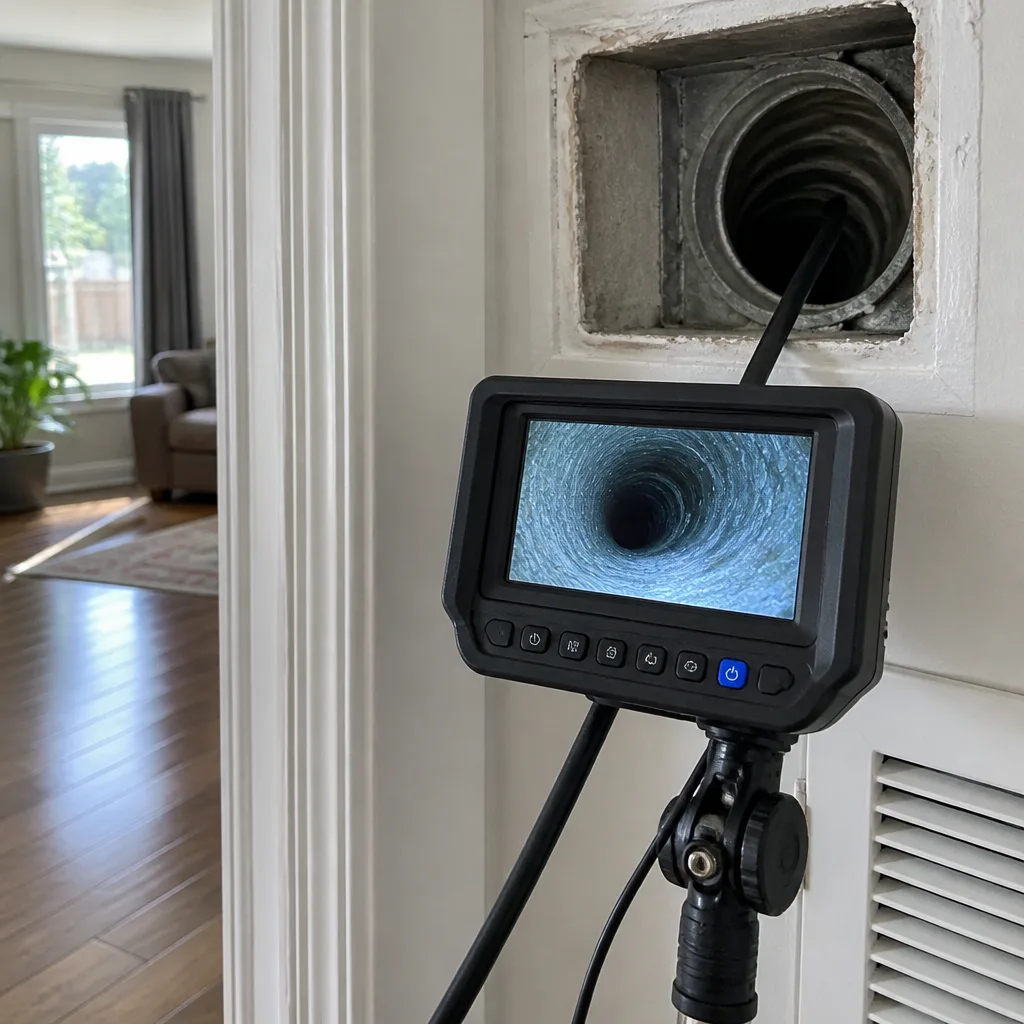 Camera inspection
 Sanitizing & deodorizing
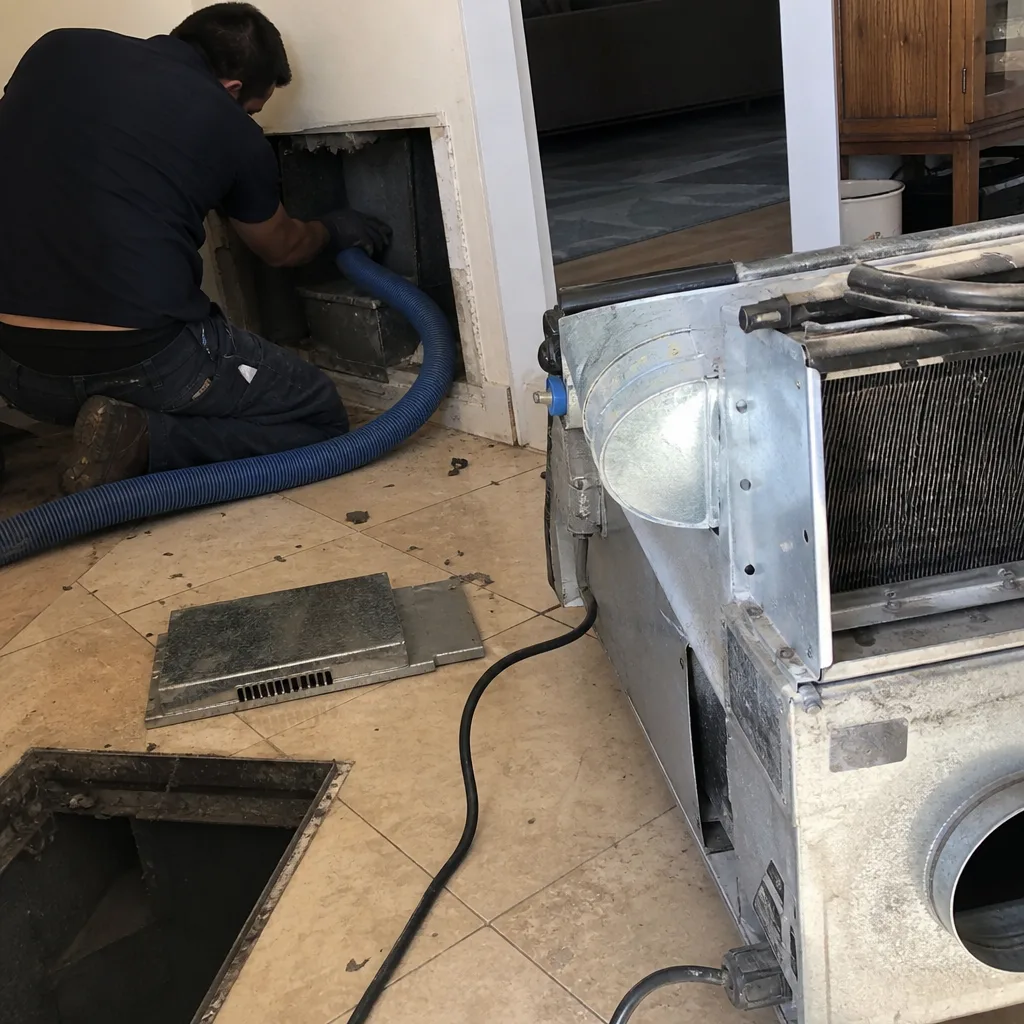
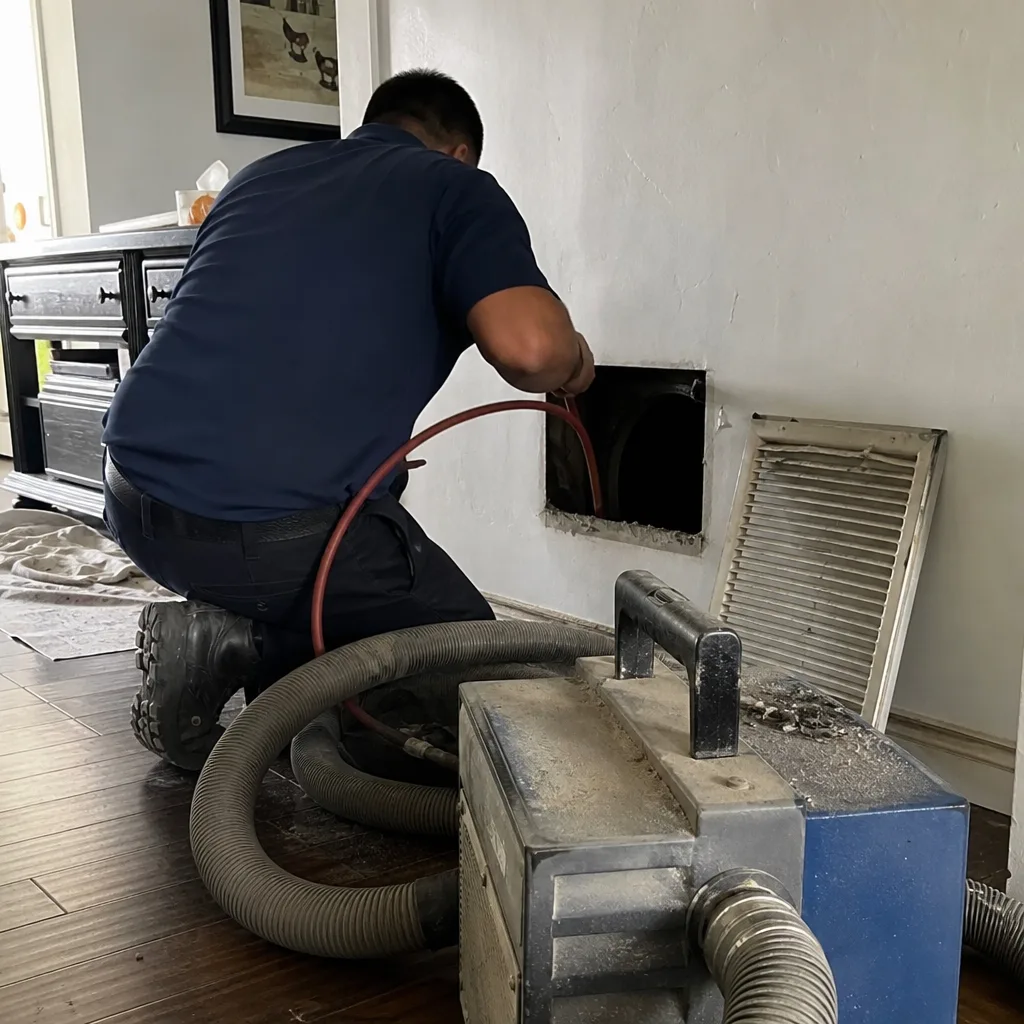
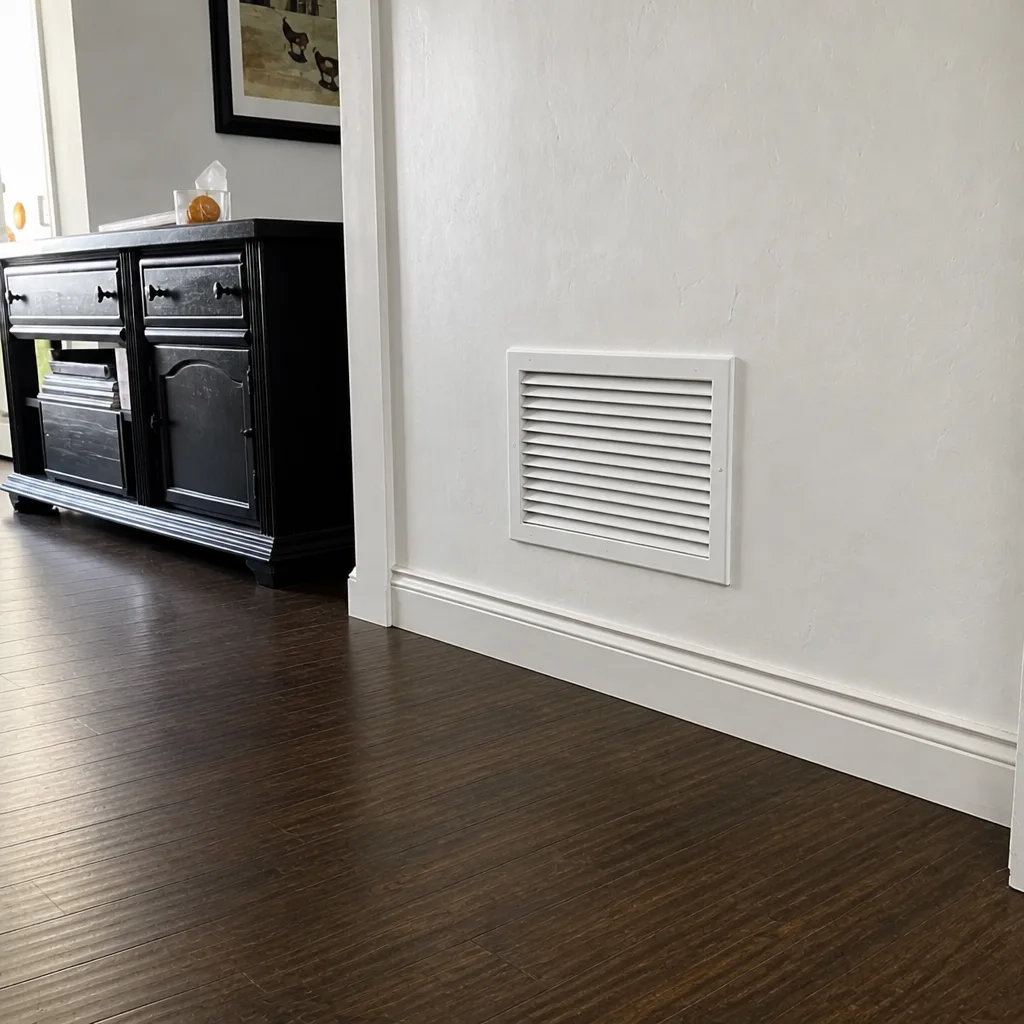
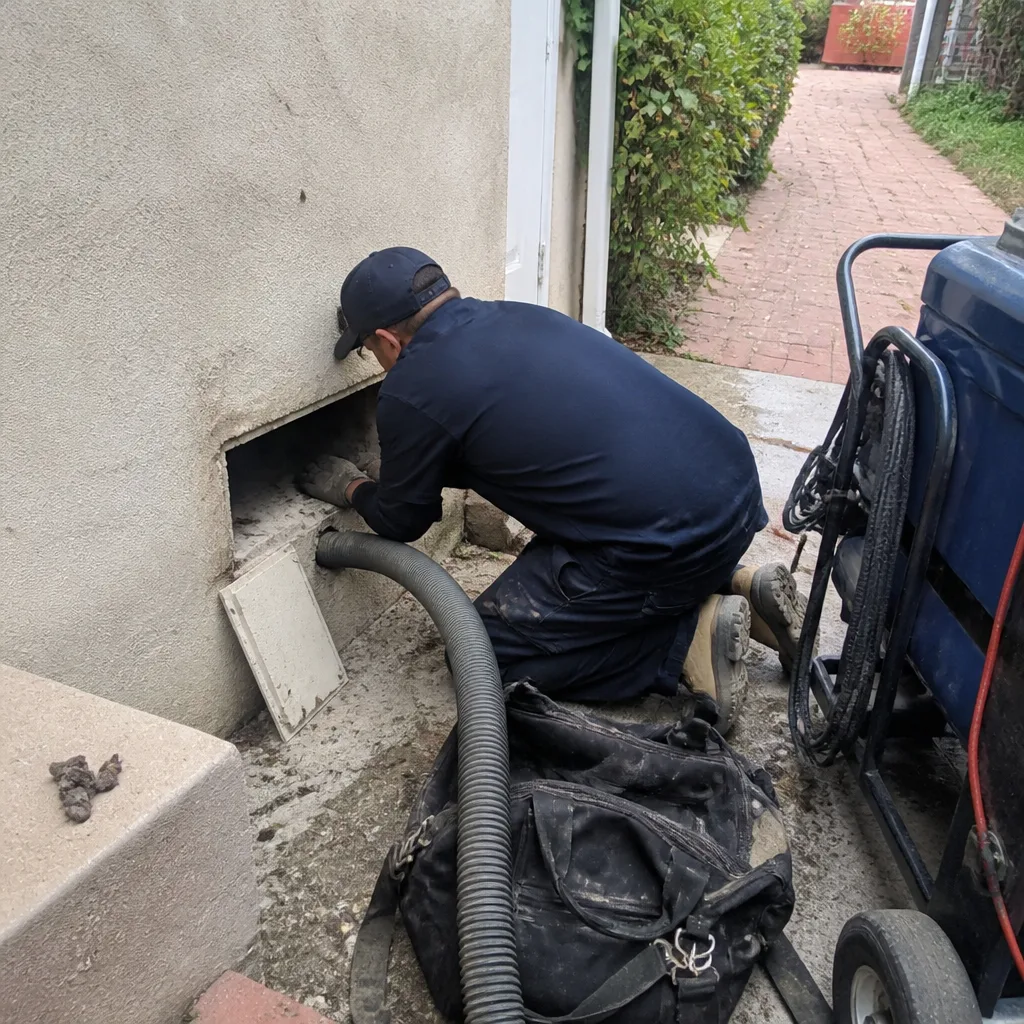
Whole-system duct and dryer vent check with before-and-after photos - you see exactly what came out of your vents
That "$99 whole-house special" is a bait ad - the real number appears once they are in your hallway, or the "clean" is a shop-vac at the register. We photograph the inside of your ducts before and after instead.
Air Duct Cleaning Maintenance Checklist for Studio City Homeowners
Most duct cleaning advice you’ll find online assumes a house that runs its furnace a few months a year and sits idle the rest. That advice was written for a national average, and Studio City doesn’t live on the national average. Here, the HVAC system runs closer to ten or eleven months out of twelve, which means every filter, every flex duct joint, and every condensate pan accumulates wear roughly a third faster than the generic “clean every three to five years” rule expects. Add hillside homes with aging flex duct and the seasonal wildfire particulate that drifts through the Valley, and the standard checklist stops being useful. What follows is a maintenance schedule built around those three realities: long run time, older ductwork, and smoke season. You’ll get a month-by-month task list, self-inspection steps, and a filter guide tuned to local air quality.
Quick Answer
A Studio City duct maintenance checklist should be built around year-round HVAC run time, not the national three-to-five-year interval. That means checking the filter monthly, inspecting accessible flex duct joints twice a year (March before cooling season, October after the first wind events), upgrading filtration ahead of fire season in June, and scheduling a full professional cleaning every two to three years rather than every five. The schedule below maps each task to the month it actually matters here.
Styles & brands we work with
- Whole-home duct cleaning
- Dryer vent cleaning
- Camera inspection
- Sanitizing & deodorizing
Table of Contents
- Why Studio City Duct Maintenance Isn’t a National Template
- Month-by-Month Maintenance Schedule for Studio City
- Filter MERV Ratings for Studio City Air Quality
- How to Self-Inspect Flex Duct Connections Without Tools
- Condensate Drain Pan Inspection: The Step Every Checklist Misses
- Documenting Your System With Smartphone Photos
- How Often to Schedule Professional Air Duct Cleaning in Studio City
- Dryer Vent Maintenance: The Fire-Risk Task That Gets Skipped
Why Studio City Duct Maintenance Isn’t a National Template
Three variables separate Studio City homes from the houses the standard recommendations were written for. The first is run time. With mild winters and long, hot summers, most households here keep the system cycling ten or eleven months a year. Every hour of run time pulls air through the filter and pushes it through the ducts, so a house running near-continuous circulation collects dust at a much faster clip than one that idles half the year.
The second variable is the housing stock. A large share of Studio City homes sit on hillside lots, and the duct runs in those houses are frequently longer, more flexible, and older than what you’d find in a flat-lot subdivision. Flex duct is convenient to install and easy to route around joists and tight attic spaces, but it’s also more prone to sagging, kinking, and joint separation over time. Long runs with several turns give dust and debris more places to settle.
The third is wildfire particulate. Smoke season in the San Fernando Valley doesn’t follow a calendar neatly, but the heaviest particulate loads tend to arrive in late summer and fall when wind events push smoke across the basin. A house that draws outside air through a return during those weeks pulls fine ash into the system, where it coats filter media faster than ordinary household dust.
Put those three together and the calculus changes. A filtration and cleaning interval that makes sense for a house running six months a year is too loose for one running eleven. That’s the premise this whole checklist is built on. Our technicians have up to 10 years of experience reading these patterns in Studio City homes, and the schedule below reflects what actually accumulates here.
Month-by-Month Maintenance Schedule for Studio City
Here’s the calendar. Some tasks are monthly rituals; others are annual or twice-yearly checkpoints tied to the seasons that matter locally. Print it, stick it on the fridge, and adjust for your system type.
Monthly (All Year)
- Check or replace the filter. In a house running ten-plus months a year, the filter is the first thing to watch. Hold it up to a light; if you can’t see light through the media, it’s done.
- Listen at the return grille. A whistle or a strained whoosh can mean a restricted filter or a partially closed damper. Note it and investigate.
- Wipe the supply registers. Streaks of dark dust around a register face point to a gap between the boot and the duct behind it.
March: Cooling Season Prep
- Replace the filter with a fresh one before the system starts running hard for the cooling season.
- Walk the accessible attic or crawlspace and look at flex duct runs for sag or kinks (more on how to read those in the next section).
- Check the condensate pan and drain line before cooling season, because that’s when the pan actually holds water.
June: Pre-Fire-Season Filter Upgrade
- Step up to a higher-MERV filter for the smoke months, within your air handler’s rated limit.
- Seal any obvious return-air gaps so smoke-season particulate doesn’t get drawn in around the filter instead of through it.
- Confirm the filter you bought actually seats in the slot; a loose filter lets air bypass the media entirely.
October and November: Post-Wind-Event Inspection
- Change the filter after the first significant smoke or wind events of the season, even if it looks only half-loaded.
- Re-inspect accessible duct joints for separation, especially on return runs, which often sit in dusty attic space.
- Check the condensate pan again at the end of the cooling season for standing water or film.
Twice a Year
- Vacuum the return grille faces and the immediate duct throat behind them if accessible.
- Have the dryer vent checked, since lint accumulates on its own schedule regardless of HVAC use.
This calendar is more frequent than a national template, but it’s matched to a system that works harder. A house running eleven months a year needs the attention of one running eleven months a year.
Filter MERV Ratings for Studio City Air Quality
MERV ratings measure how well a filter captures particles, and the higher the number, the finer the capture and the more resistance it adds to airflow. The trick is picking a rating that catches what Studio City air throws at it without choking an older air handler.
| MERV Rating | What It Captures | Best For in Studio City |
|---|---|---|
| MERV 6-8 | Lint, pollen, large dust | Older air handlers with limited static pressure capacity; baseline everyday filtration |
| MERV 8-11 | Fine dust, mold spores, smoke particles | Standard choice for most Studio City homes; solid balance of capture and airflow |
| MERV 13 | Very fine particulate, including wildfire smoke | Smoke season, or homes with allergy concerns; only if the air handler is rated for it |
| MERV 16+ | Near-HEPA fine particulate | Rarely appropriate for a standard residential air handler; check the system’s static pressure rating first |
The practical guidance: run MERV 8-11 as your everyday filter, then step up to MERV 13 in June for smoke season, provided your equipment is rated for the added resistance. Homes with older air handlers that already strain with a higher-MERV filter should stay at MERV 8 and rely on sealing and source control instead. Higher MERV isn’t automatically better if the equipment can’t push enough air through it.
There’s one more consideration specific to Studio City. Air quality index patterns here bounce between clear stretches and smoke days with little warning. On a genuinely bad air day, a higher-efficiency filter earns its keep fast. On an ordinary day, a MERV 8 does the job while keeping airflow healthy. Match the filter to the day, not to a hypothetical worst case.
If you want filtration handled more systematically, Honeywell and Aprilaire media cabinets install inline and hold a higher-MERV media filter for months between changes, which suits a house running year-round better than swapping a thin filter every month. We install and service both lines; a HVAC cleaning visit is a natural time to talk filtration upgrades, since the technician already has the air handler open.
How to Self-Inspect Flex Duct Connections Without Tools
You don’t need a gauge or a camera to catch the three failure modes that matter most in hillside Studio City homes. Flex duct fails in predictable ways, and each one has a visual signature you can spot with a flashlight and a few minutes in the attic. Here’s what to look for and what each sign means.
Sag
Flex duct should run fairly straight and supported. A run that dips into a low U between hangers is sagging. Sag isn’t cosmetic: the low point collects dust, and a deep sag can pinch the inner liner enough to reduce airflow to that room. In a house running ten months a year, a sagging run quietly collects debris every one of those months. If you see a U-shaped dip, that’s your first priority to raise or straighten.
Kinking
Look for a sharp bend where the duct turns hard, especially near a boot or a takeoff. A tight kink pinches the airway like a garden hose bent over. Kinked runs starve the room they serve and raise pressure on the rest of the system. A gentle curve is fine; a sharp crease is not. If a run bends more than roughly a right angle in one spot, that’s worth having looked at.
Joint Separation
Check where the duct meets the register boot, the plenum, or another section. A separated joint shows as a visible gap, a loose zip tie, or a ring of dark dust collected around the seam. That dark ring is the tell: dust collects on the outside of a leaking joint because air is escaping there. A separated return joint is especially common in dusty attics, and it pulls unfiltered air straight into the system, bypassing your filter entirely. This is exactly the kind of problem our air duct cleaning in Studio City and repair work addresses, because cleaning a leaky system without sealing it just leaves the leak to refill.
Walk the accessible runs once in March and again in October. Note what you find, and if any joint is separated or badly kinked, don’t tape over it and hope. A proper repair reseals the joint so the system actually holds pressure.
Condensate Drain Pan Inspection: The Step Every Checklist Misses
Most duct maintenance checklists stop at the ducts and never look at the condensate pan, which is a mistake in a place where the air conditioner runs so much of the year. The pan sits under the evaporator coil and catches the water the coil pulls out of the air. It should stay clean and drain freely. When it doesn’t, standing water becomes a growth site for mold and bacteria, and the air handler then pushes that growth into the duct system. This is a maintenance step that protects the ducts from the inside out.
Once before cooling season and once after is enough, and it takes just a few minutes. Here’s what to check:
- Look for standing water. After the system has been off for a while, the pan should be dry. Water sitting in it means the drain line is clogged or the pan is sloped wrong.
- Check the drain line at both ends. Clear debris at the pan outlet and at the termination point. A slow gurgle or a full pan points to a partial clog.
- Inspect pan surfaces for film or discoloration. A slimy film or dark spotting on the pan is early growth. Catch it at this stage and it never reaches the ducts.
- Sniff near the air handler. A musty smell at the unit often traces to the pan before it shows up at the registers.
If you find anything more than light surface dust, the pan needs proper cleaning and, ideally, a sanitizing treatment. When growth has already spread beyond the pan into the ducts, professional cleaning with sanitizing agents is the right next step. The products we use, Abatement Technologies and Guardsman, are made for exactly this: knocking back mold, bacteria, and odor after mechanical cleaning, not masking them. Getting the pan inspected before cooling season gives a growth problem the chance to be caught while it’s still just a pan problem.
Documenting Your System With Smartphone Photos
Before you call anyone, take a set of photos. It sounds trivial, and it’s one of the most useful things a homeowner can do. A clear photo set lets a technician see exactly which register boot has the dark ring, which duct run is sagging against a joist, and where the air handler sits. That turns a call into a prioritized plan instead of a cold walkthrough, and it makes an honest quote easier for everyone. You can send the photos with an air duct cleaning inquiry and the technician arrives already knowing what’s likely wrong.
Here’s the shot list:
- Filter slot. A photo showing the filter in place, its label with the MERV rating visible, and how much dust has loaded onto it.
- Air handler label. Snap the manufacturer label so the model and rating are readable; this tells the technician what the equipment can handle.
- Each supply and return register. Close-ups of streaks and dark rings around the grille faces.
- Accessible flex duct runs. Wide shots of the whole attic run plus tight close-ups of any sag, kink, or separated joint.
- Condensate pan and drain line. The pan dry and, if you’ve seen water, a shot of where it pools.
- Dryer vent termination. The outside flap and the run behind the dryer, so the lint load is visible.
Keep the photos in one album, date the shots, and note the filter MERV in the caption. That album becomes your record. Over a couple of years, it shows the technician how fast your particular system loads up, which is far more useful than a generic interval. A house that loads a filter in three weeks and a house that lasts three months are on different schedules, and the photos prove which one you have.
How Often to Schedule Professional Air Duct Cleaning in Studio City
In a Studio City home running ten or eleven months a year, every two to three years is a realistic professional interval, tighter than the three-to-five-year figure written for national averages. That said, the interval is a starting point, not a rule. The right timing depends on what’s actually accumulating in your system, and a few clear signals tell you it’s time.
- Visible dust at the registers after a fresh filter. If you change the filter and dust still blows out at the supply faces within a week, the load is upstream in the ducts.
- Musty odor when the system starts. A musty smell on startup points to growth somewhere in the air pathway, often the coil or pan, and needs inspection, not just a filter change.
- Uneven airflow room to room. A room that never quite cools can be a sagging or separated duct run, which a cleaning and inspection will find.
- Recent renovation or remodeling. Drywall dust and construction debris load a system heavily and call for cleaning once the work is done.
- Smoke season aftermath. After a heavy wildfire-particulate stretch, a system that drew smoke-laden air through its return benefits from a professional clean, especially where sealing is also needed.
When it is time, the work should be mechanical and thorough. We use Rotobrush and Nikro contact-cleaning systems, the same professional-grade equipment trusted in commercial duct work, because a shop vacuum or a wand-and-blow pass doesn’t actually remove the accumulated debris. The job is a three-step progression: clean the ducts mechanically, repair and seal anything compromised, then treat and sanitize the air pathway with Abatement Technologies or Guardsman products where growth or odor warrants it. Because we handle repair and sealing as its own scope, a compromised duct run found during cleaning gets fixed in the same visit rather than left for a second contractor. You can learn more about the air duct cleaning in Studio City service and the full air-pathway coverage, from supply and return ducts up through the HVAC unit and dryer vent.
Dryer Vent Maintenance: The Fire-Risk Task That Gets Skipped
Duct-only competitors routinely skip the dryer vent because it’s not part of the HVAC run, and that’s exactly why it belongs on any honest maintenance checklist. A clogged dryer vent is a fire risk, full stop. Lint is highly flammable, and a vent packed with it traps heat in the dryer, which is where fires start. This is a safety task, not a convenience one, and it deserves a place on the annual calendar right beside the HVAC checks.
What to check and how often:
- Every load or two: clear the lint filter. That’s the easy part and it’s not enough on its own.
- Twice a year: check the outside termination flap. It should open freely while the dryer runs and close when it stops. Lint visible around the flap means the run behind it is loading up.
- When a load takes longer than it used to: a dryer that needs two cycles to dry a normal load is telling you airflow is restricted. That’s a signal to have the full vent run cleaned, not just the filter.
The hidden lint collects in the duct run behind the dryer and along the path to the outside, places you can’t reach by hand. Professional dryer vent cleaning clears the whole run. In a Studio City home where the laundry sits interior and the vent run is long, that full-length cleaning matters more, not less, because there’s more pipe for lint to pack into. Fold it into the same visit as the duct cleaning and it’s handled.
Common Mistakes to Avoid
- Following the national three-to-five-year interval. In a Studio City home running ten-plus months a year, that interval leaves the system overloaded well before the recommended cleaning. Tighten it to two to three years.
- Running a high-MERV filter in an air handler that can’t handle it. MERV 13 captures smoke beautifully and can also choke an older blower if the equipment isn’t rated for the resistance. Match the filter to the equipment, not to the worst air day.
- Skipping the condensate pan altogether. The pan sits out of sight under the coil, so it gets forgotten, and stand
See the difference
 Before
 After
 Before
 After
 Before
 After