
Last updated November 20, 2026
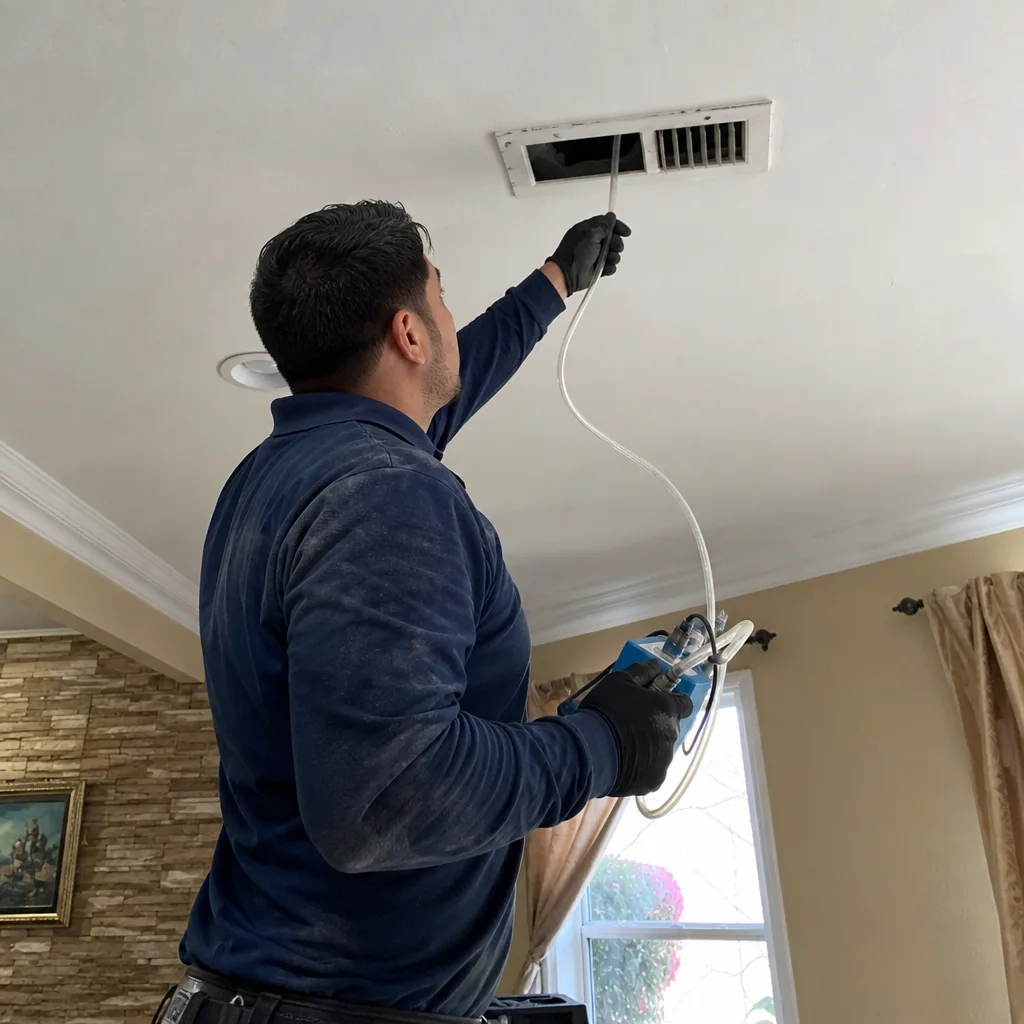
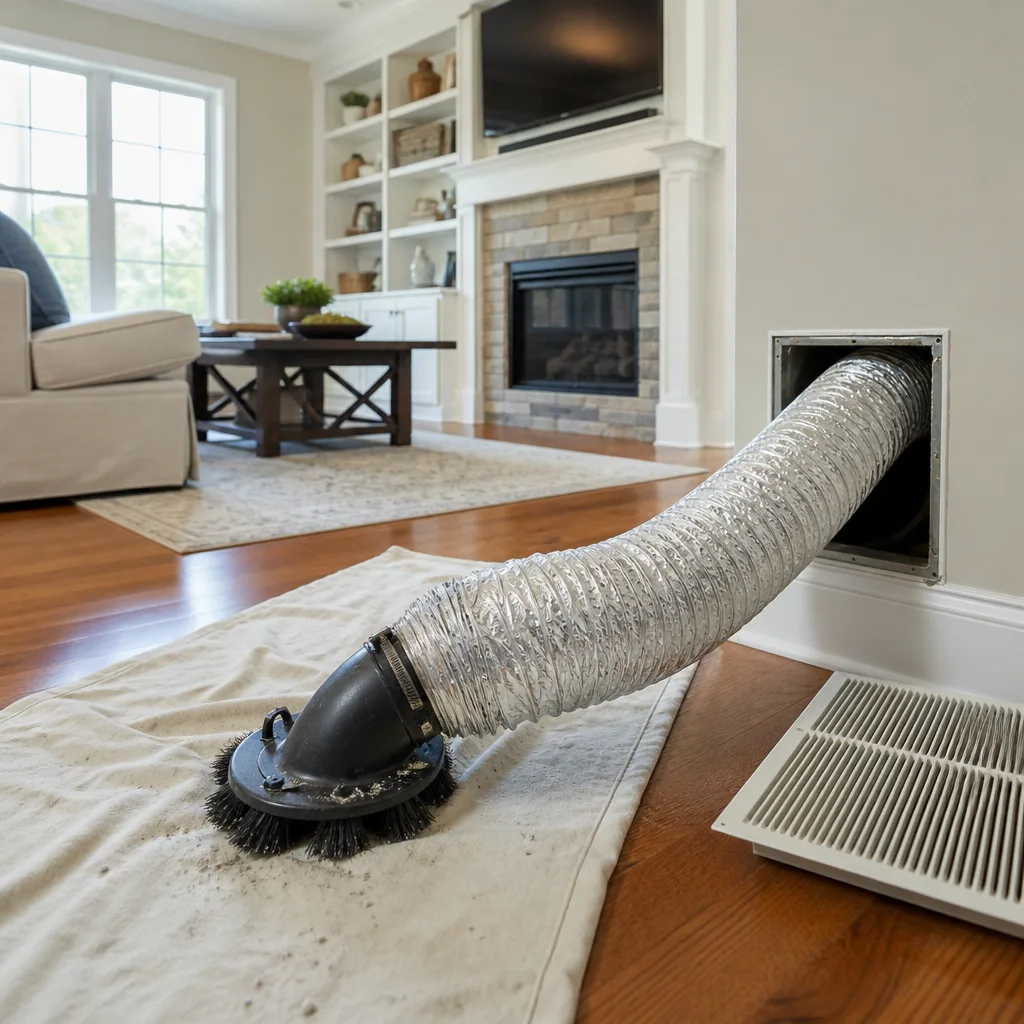 Whole-home duct cleaning
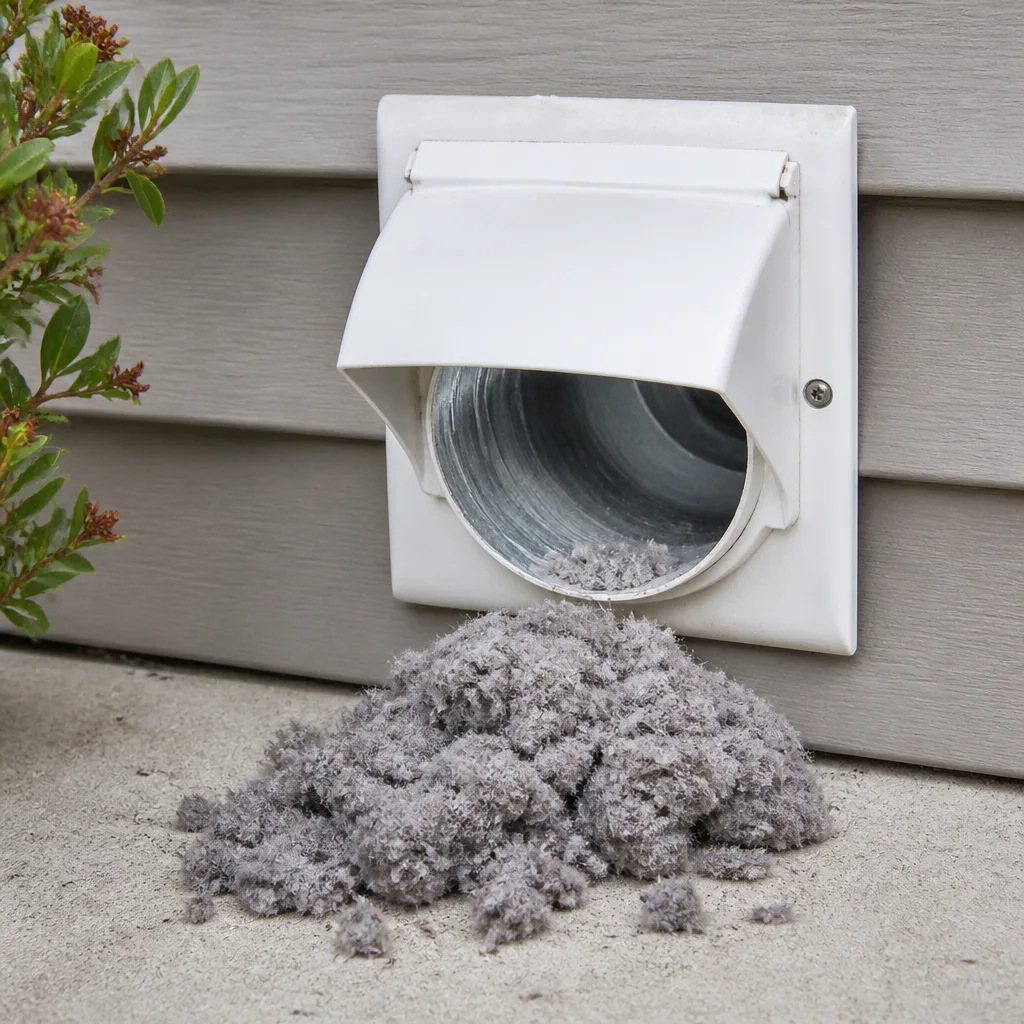 Dryer vent cleaning
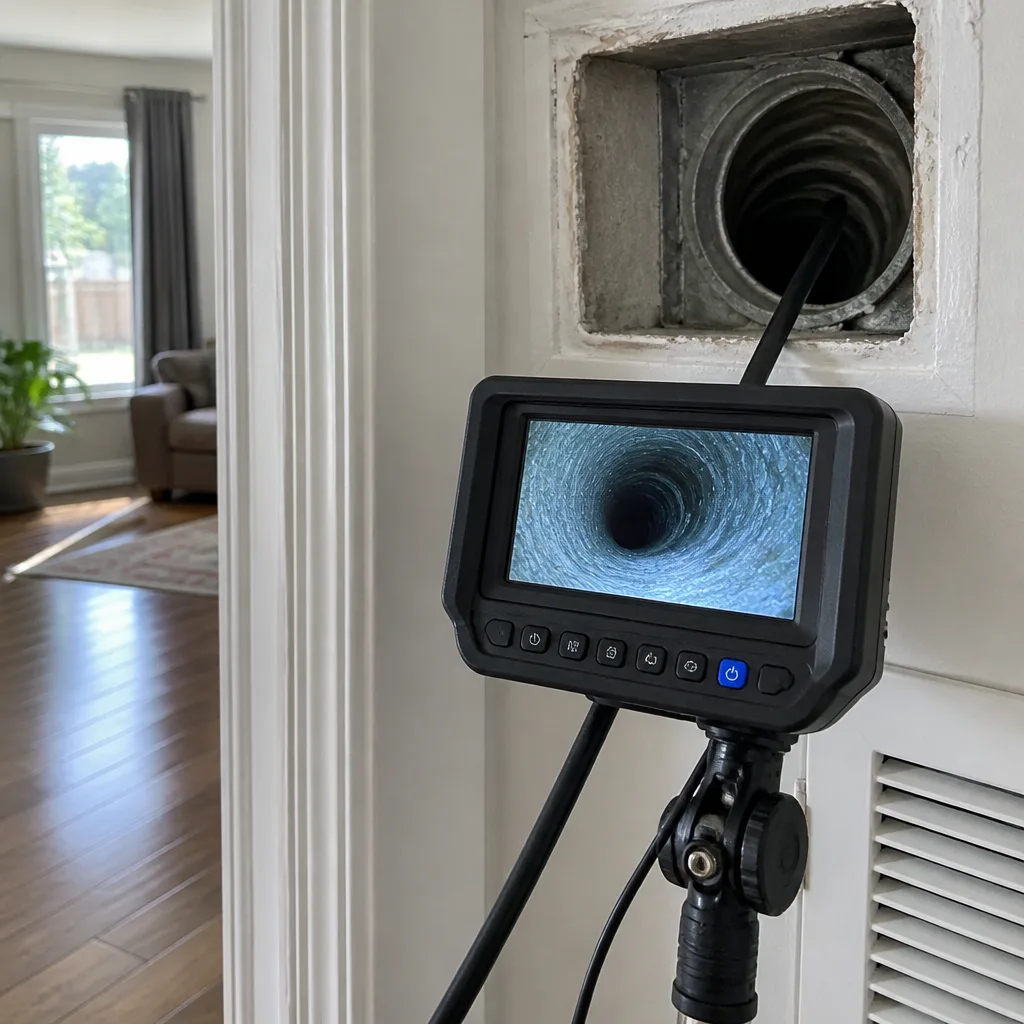 Camera inspection
 Sanitizing & deodorizing
Whole-system duct and dryer vent check with before-and-after photos - you see exactly what came out of your vents
That "$99 whole-house special" is a bait ad - the real number appears once they are in your hallway, or the "clean" is a shop-vac at the register. We photograph the inside of your ducts before and after instead.
How to Hire an Air Duct Cleaning Contractor in Studio City: A Step-by-Step Guide
Most homeowners hire a duct cleaner the way they hire a locksmith: something breaks, they search, and they pick whichever name answers fastest with the lowest number attached. That works for a stuck lock. It doesn’t work for a system that moves air through every room of your house. The EPA has stated plainly that improper duct cleaning can make indoor air quality worse, not better, and the reason is mechanical. A weak vacuum and a spinning brush don’t remove debris, they liberate it. It settles on surfaces that were already clean and gets pulled back through the return the moment the fan comes on. This guide walks you through the vetting questions that actually separate a professional contractor from a bait-and-switch operator, with the specifics that matter in Studio City.
Quick Answer
To hire an air duct cleaning contractor in Studio City, ask three equipment questions before you ask about price: what is the vacuum’s CFM rating, does it exhaust through a HEPA filter, and does the crew use mechanical contact tools or compressed air alone. Then get a written scope of work that names each component to be cleaned, confirm the contractor carries liability coverage that extends to ductwork, and treat NADCA membership as a baseline rather than proof of quality. A contractor who can’t answer the equipment questions clearly is not equipped to clean your system properly.
Styles & brands we work with
- Whole-home duct cleaning
- Dryer vent cleaning
- Camera inspection
- Sanitizing & deodorizing
Table of Contents
- Why This Market Attracts the Wrong Kind of Contractor
- The Three Equipment Questions Almost No Homeowner Asks
- How to Read a Certificate of Insurance for Ductwork Coverage
- What NADCA Membership Verifies, and What It Doesn’t
- How to Structure a Written Scope of Work
- Studio City Red Flags: The Phone Quote
- What a Proper Job Looks Like From Start to Finish
- How to Verify the Work Was Actually Done
- The Parts of Your Air System the Quote Usually Leaves Out
Why This Market Attracts the Wrong Kind of Contractor
Studio City sits in a part of the San Fernando Valley where the housing stock is old enough to matter and the climate is hard on a duct system in a specific way. Summers here are hot and dry, and the temperature swing between a July afternoon and a July night is wide. Ductwork expands and contracts against that swing all season, and older homes around Studio City are full of flex duct and hard pipe that has been doing this for a long time. Attic runs bake. Joint seams separate. Insulation on the outside of the duct degrades and drops into the airstream.
That’s exactly the environment where debris accumulation accelerates, and it’s exactly the environment a low-bid contractor is least equipped to handle. The Valley market has a lot of out-of-area operators who buy a cheap vacuum, drive in, and charge a flat rate per system. They’re gone before the fan comes back on. What they leave behind is disturbed debris that gets redistributed through every supply register in the house.
We’ve seen the pattern repeatedly in Studio City. Ducts that were cleaned two years ago are as loaded as ducts that were never touched, because the cleaning was a surface pass with a shop-grade vacuum and a whipping hose. The homeowner paid, the invoice is in a drawer, and the air hasn’t changed.
The fix isn’t to shop harder for a better coupon. It’s to change what you’re vetting. Price is a symptom of equipment; equipment is the actual thing being sold. Once you know what to ask, the wrong contractors eliminate themselves, and you don’t have to guess.
The Three Equipment Questions Almost No Homeowner Asks
These three questions are the whole game. A contractor can talk around a lot of topics, but these have concrete answers, and the answers tell you immediately what kind of operation you’re dealing with. Ask them on the phone before you book.
1. What is the vacuum’s CFM rating?
CFM is cubic feet per minute, and it’s the measure of how much air the vacuum can move. Duct cleaning is a capture problem: the goal is to dislodge debris and pull it into a collection unit before it can escape into the house. A lower-flow vacuum can’t keep up with the debris a contact tool dislodges, so the debris goes into the room instead of the hose. Ask for the number. If the answer is vague, that’s your answer.
2. Does the vacuum exhaust through a HEPA filter?
HEPA filtration captures fine particulate rather than returning it to the room. A vacuum without it is essentially a very large fan blowing dust around your house. This matters more in Studio City than in a lot of places, because the same dry air that cracks duct seams also keeps fine dust airborne longer. Ask directly whether the exhaust passes through HEPA filtration, and listen for a specific yes.
3. Do you use mechanical contact cleaning tools, or compressed air alone?
Compressed air alone is not cleaning. It’s agitation. It loosens material and leaves capture to whatever vacuum is attached, which is why the tool and the vacuum have to be matched. Contact cleaning uses a rotating brush or whip that physically reaches duct surfaces while the vacuum holds negative pressure on the system. Professional contractors use systems built for this, like the Rotobrush and Nikro lines, because the tools are designed to work as a unit with high-flow vacuum and HEPA capture.
Ask all three, in that order. A professional answers them without hesitation. An operator working out of a van with a shop vacuum will change the subject to price.
How to Read a Certificate of Insurance for Ductwork Coverage
Every contractor will tell you they’re insured. That’s not the useful question. The useful question is whether their liability policy actually covers damage to ductwork, because a standard general liability policy often excludes it. Ductwork is part of the building, and some carriers treat cleaning-related damage to it as a property exclusion rather than a covered operation.
When you ask for a certificate of insurance, look at three things.
- General liability limits. Confirm the policy is active and the dates cover your appointment.
- Coverage for duct cleaning operations specifically. Ask the contractor to have their agent confirm in writing that duct cleaning, including damage to ductwork, is a covered operation. A certificate alone may not show this.
- Workers’ compensation. If someone is injured in your home, this is the line that matters. Ask for it.
This is not an unreasonable request, and a professional contractor will expect it. The reason to be precise is that ductwork damage is expensive and hard to detect. A cracked seam behind a wall or a crushed flex run in an attic won’t announce itself. It shows up months later as a room that won’t cool or a bill that climbs. If the contractor’s policy excludes that damage, you’re holding the cost.
Keep the certificate on file with your scope of work. It’s the difference between a contract and a claim.
What NADCA Membership Verifies, and What It Doesn’t
The National Air Duct Cleaners Association sets standards for the industry, and its membership is a real signal. A member has agreed to follow published cleaning standards, has access to the association’s assessment and cleaning guidance, and has usually invested in training. That’s meaningful.
It’s also a floor, not a ceiling. Membership alone doesn’t tell you:
- What vacuum and filtration equipment the contractor actually brings to the job.
- Whether they use contact cleaning tools or a compressed-air pass.
- Whether their liability coverage extends to ductwork damage.
- Whether they’ll clean the HVAC components, not just the ducts.
- Whether they can repair and seal compromised ductwork instead of cleaning around it.
Treat membership as a filter, not a finish line. Ask about it, then keep going with the equipment questions. In our experience, the contractors who do the best work tend to be the ones who bring the equipment specifics up themselves before you ask.
How to Structure a Written Scope of Work
“Clean the ducts” is not a scope. It’s a phrase that leaves every meaningful decision to the contractor and every meaningful dispute to you. A proper written scope names each component and states what will be done to it.
Use this list as your template. Ask the contractor to put each item in writing before the job starts.
- Supply ducts: every run, from the trunk to each register, named as included.
- Return ducts: including the main return chase.
- Registers and grilles: removed, cleaned, and reinstalled.
- HVAC components: the blower, evaporator coil area, and drain pan, cleaned as part of the service.
- Access points: where the contractor will cut in access, and how it will be sealed afterward.
- Sanitizing: whether a sanitizing step is included, and which product will be used.
- Repair and sealing: any damaged or leaking ductwork found and whether it’s included or quoted separately.
- Verification: whether before-and-after photos will be provided.
This is where air duct cleaning splits from a real whole-system service. A contractor who only cleans ducts will leave a leaking return and a dirty blower exactly as they found them. The scope is how you make sure the job covers your full air system, not one part of it.
Studio City Red Flags: The Phone Quote
The clearest warning sign in this market is a contractor who gives you a firm price over the phone without asking a single question about your home. A legitimate contractor can’t price a job before knowing what they’re pricing.
At minimum, they need to ask about:
- Duct material type. Flex duct, rigid sheet metal, and duct board behave differently under cleaning tools. A contractor who doesn’t ask is planning to use one tool regardless of what’s in your attic.
- System age. Older systems in Studio City’s housing stock are more likely to have separated seams, sagging flex runs, or degraded exterior insulation that needs repair, not just cleaning.
- Square footage and number of registers. These determine the size of the job and the amount of debris the vacuum has to hold.
- System layout. Multi-story homes and homes with long attic runs take more access and more time.
Other red flags specific to this area:
- A price quoted per vent rather than per system. Per-vent pricing punishes larger homes and encourages rushing through smaller ones.
- A teaser price with a “starting at” attached that isn’t the price you’ll pay.
- No written scope, just a handshake and a number.
- No before-and-after photos offered or provided.
- No mention of the dryer vent, which most duct-only contractors skip entirely.
When a contractor asks the right questions, they’re doing the same thing you are: building a scope. That’s the sign of a professional.
What a Proper Job Looks Like From Start to Finish
Knowing what a professional job looks like protects you on the day of the appointment. Here’s the sequence.
Before
The crew arrives, walks the system, and confirms the scope in writing. They put down protective coverings, set the vacuum collection unit, and cut access points where needed. They identify any damaged ductwork, disconnected joints, or compromised flex runs and flag them before cleaning begins.
During
The vacuum runs first and holds negative pressure on the system while the contact tools work. Debris gets captured, not stirred. The blower and coil area get attention as part of the same visit. Registers come off and get cleaned separately. Any leaks or separations found are pointed out with the homeowner present.
After
Access points are sealed. The system is returned to normal operation. The contractor provides before-and-after photos of your own ducts, and the invoice reflects the agreed flat price per system, not a surprise add-on. If a sanitizing step was part of the scope, it’s applied after mechanical cleaning, not instead of it. If the contractor carries professional products like Abatement Technologies or Guardsman, ask which is being used and why.
Then, and this matters, the contractor should be able to talk about what happens next. A system that was dirty enough to clean usually has a filtration question attached to it. Products from Honeywell and Aprilaire are the common answer for homeowners who want to address that at the source.
How to Verify the Work Was Actually Done
This is the question that separates a real contractor from a coupon operator: can they show you what they removed? Ask for before-and-after photos of your own ducts, not stock images, and look at the same registers in both photos.
- Before-and-after photos of your own system. If the contractor won’t provide them, that’s your sign.
- Access points sealed. Confirm every cut-in has been closed and sealed properly.
- Debris collection. Ask how much material was removed and whether it was disposed of.
- The dryer vent. Ask specifically: was it cleaned? Duct-only contractors skip it, and it’s a fire risk most homeowners never think about. dryer vent cleaning isn’t optional in a full-system service.
The flat price per system is the other half of verification. A flat price agreed in writing before work starts is a contractor who stands behind the estimate. A per-vent price that grows once the technician is on-site is the exact bait-and-switch pattern that plagues this category.
The Parts of Your Air System the Quote Usually Leaves Out
Your ducts are one component of an air pathway that includes the HVAC unit itself, the return chase, the registers, the dryer vent, and any filtration hardware installed downstream. A contractor who cleans only the ducts has cleaned one part of that pathway and left the rest alone.
Two things often get skipped in Studio City homes.
The HVAC unit. The blower and evaporator coil collect dust that gets pulled in through the return. Cleaning ducts without cleaning the blower is a half job. HVAC cleaning addresses the equipment side so the whole system is clean at once, not one component at a time across two appointments.
Duct repair and sealing. Cleaning a system with a leaking return or a disconnected flex run doesn’t fix the leak. It just cleans around it. Repair and sealing as a separate scope item means the system is closed up before your air starts flowing through it again.
If your goal is indoor air quality rather than a one-time dust removal, the progression is clean, seal, treat. Mechanical cleaning first, repair and sealing next, sanitizing or filtration hardware last. A contractor who can offer all three steps under one scope is a different supplier than one who only sells the first.
That’s the standard we hold Air Duct Cleaning Studio City to: Rotobrush and Nikro equipment for mechanical cleaning, duct repair and sealing as a standalone service, and Honeywell and Aprilaire products for homeowners who want a long-term answer. Our technicians have up to 10 years of experience. We work with a flat price per system agreed before work starts, and we provide before-and-after photos of your own ducts.
Common Mistakes to Avoid
- Booking on price alone. The lowest quote in Studio City is usually the lowest because the equipment is the cheapest available. That shows up in your air quality within weeks.
- Accepting a phone quote without a home assessment. A contractor who prices without asking about duct material type, system age, or square footage is selling a number, not a service.
- Not asking about the vacuum’s CFM or filtration. Without high flow and HEPA capture, dislodged debris returns to your living space instead of leaving it.
- Assuming the certificate of insurance covers ductwork. Standard liability policies often exclude it. Ask for written confirmation from the contractor’s agent.
- Treating NADCA membership as a finish line. It’s a useful filter, not a guarantee of the equipment or the scope.
- Skipping the dryer vent. Duct-only contractors often leave it out. It’s a fire-risk reduction service, and it belongs in the same visit.
- Not asking for before-and-after photos. Photos of your own ducts are the simplest way to verify the work was done at the standard you paid for.
See the difference
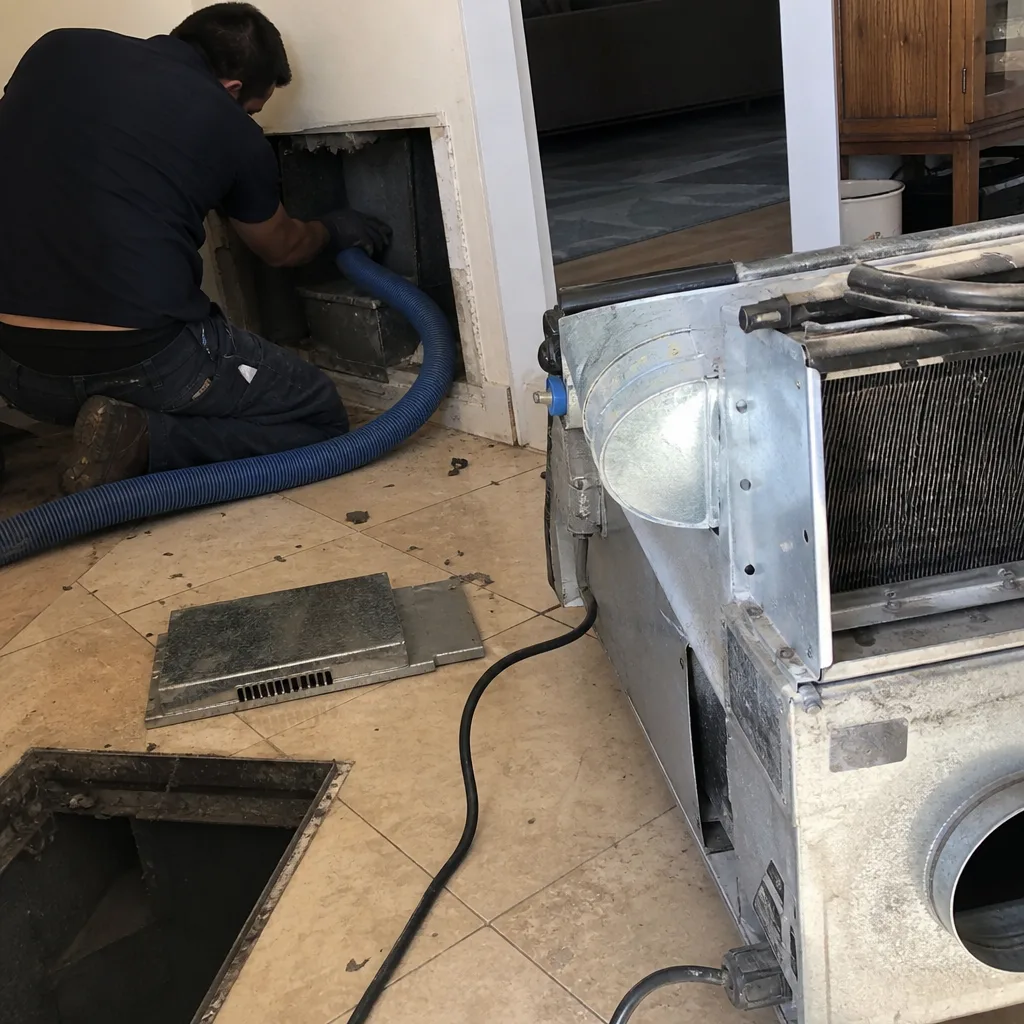 Before
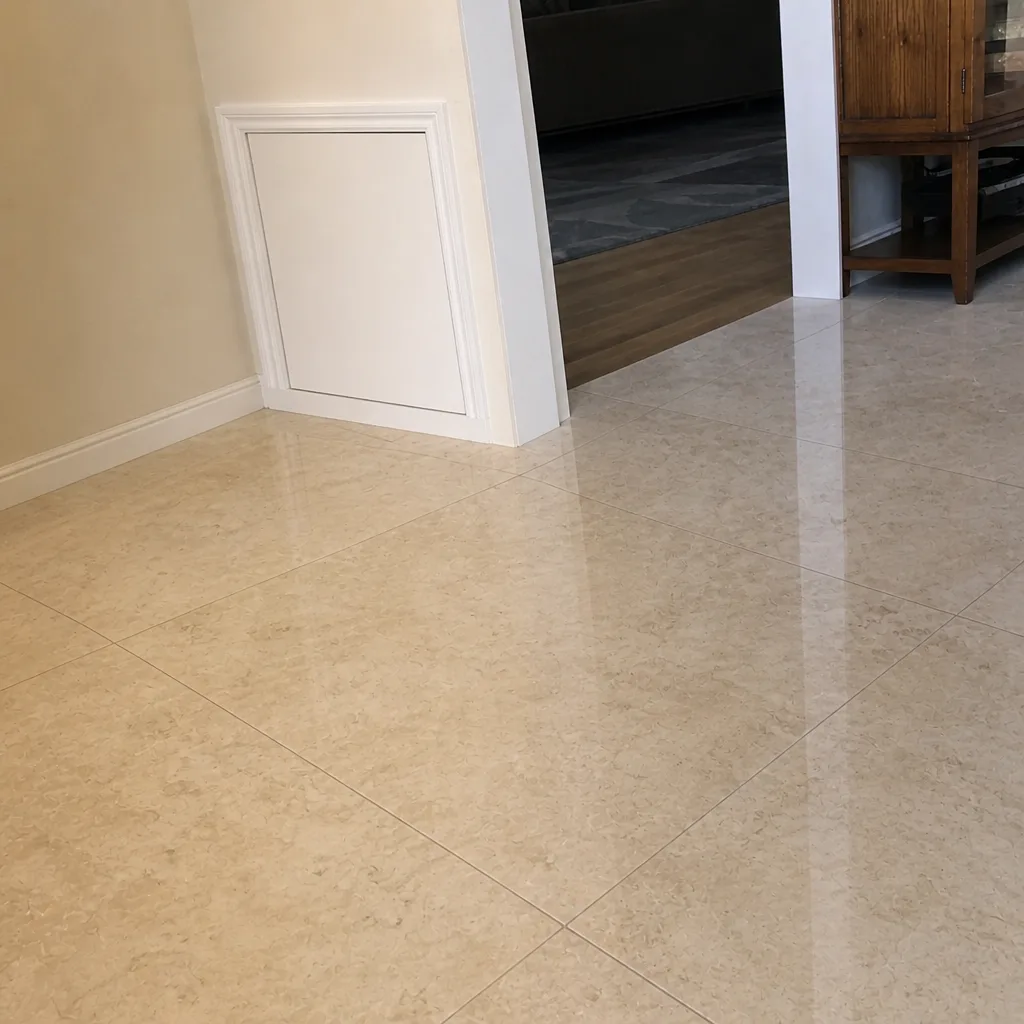 After
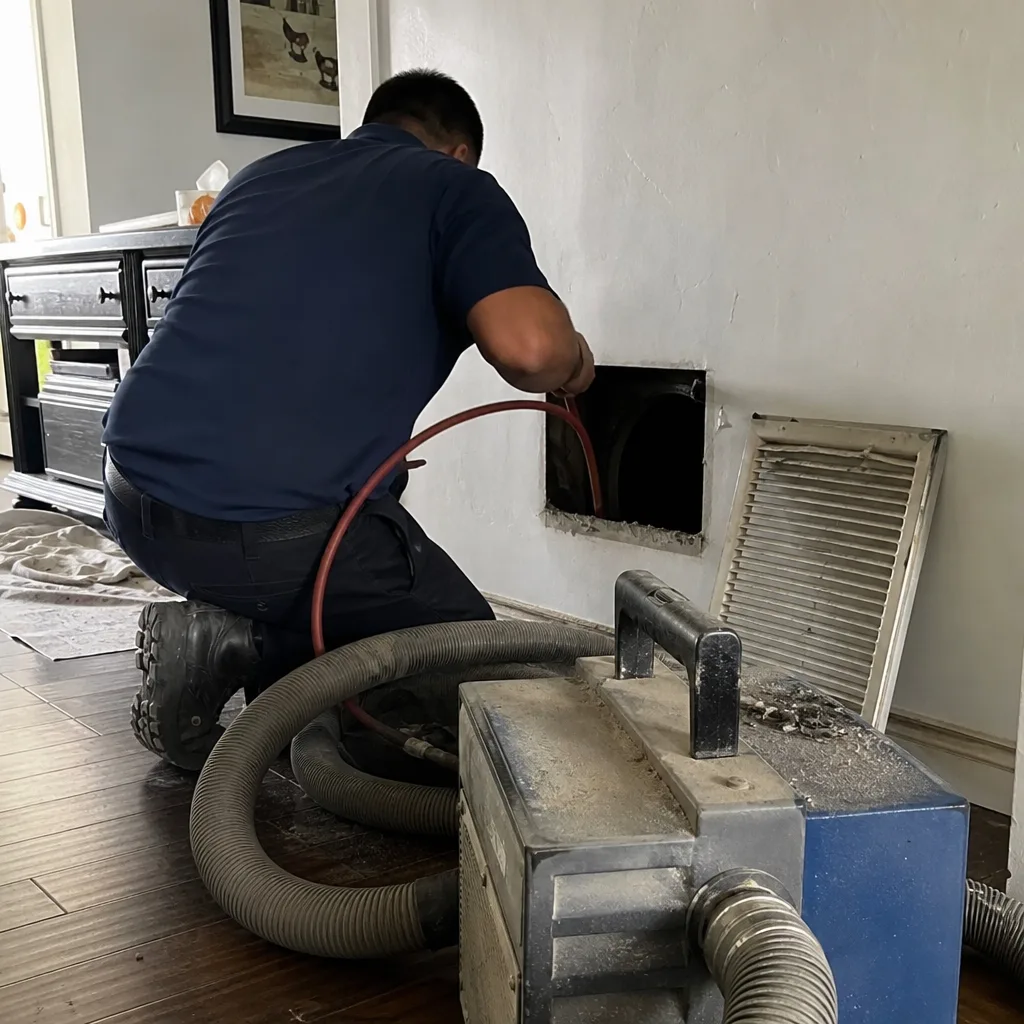 Before
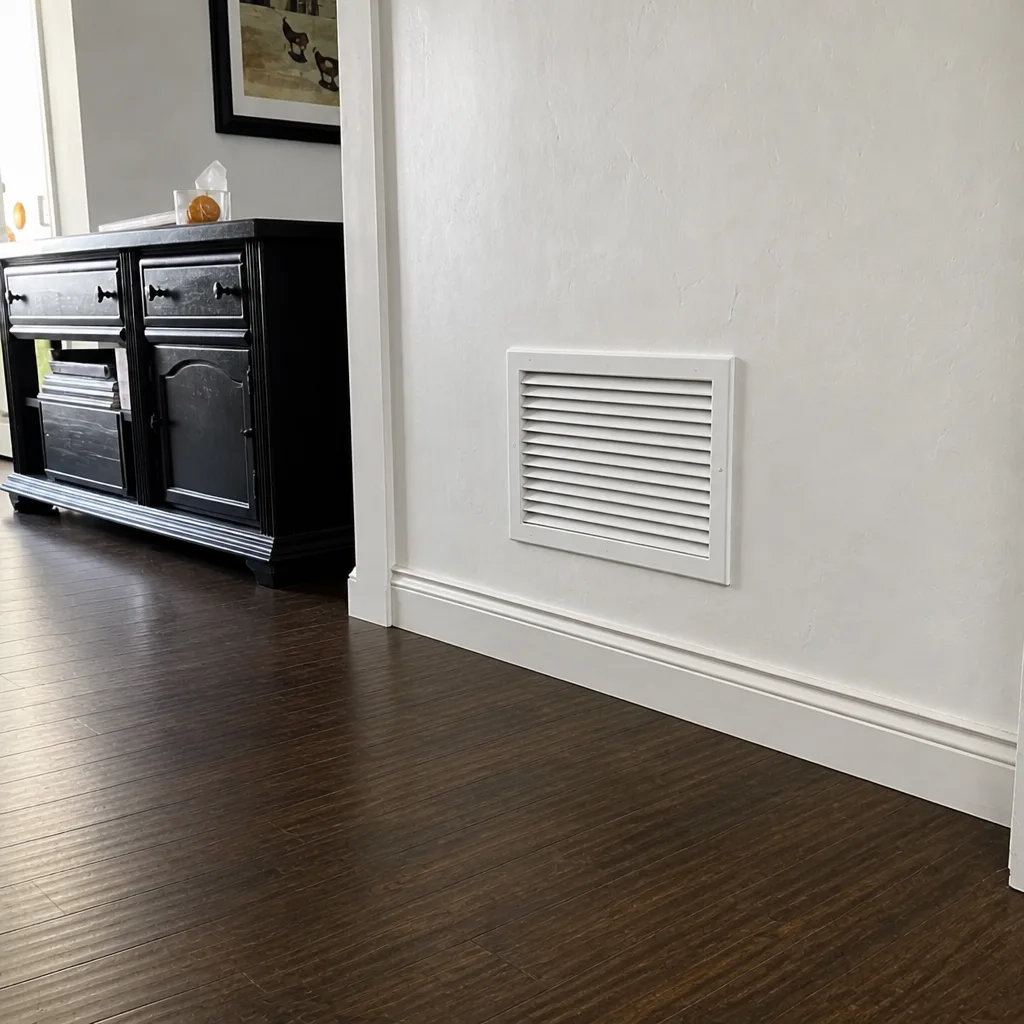 After
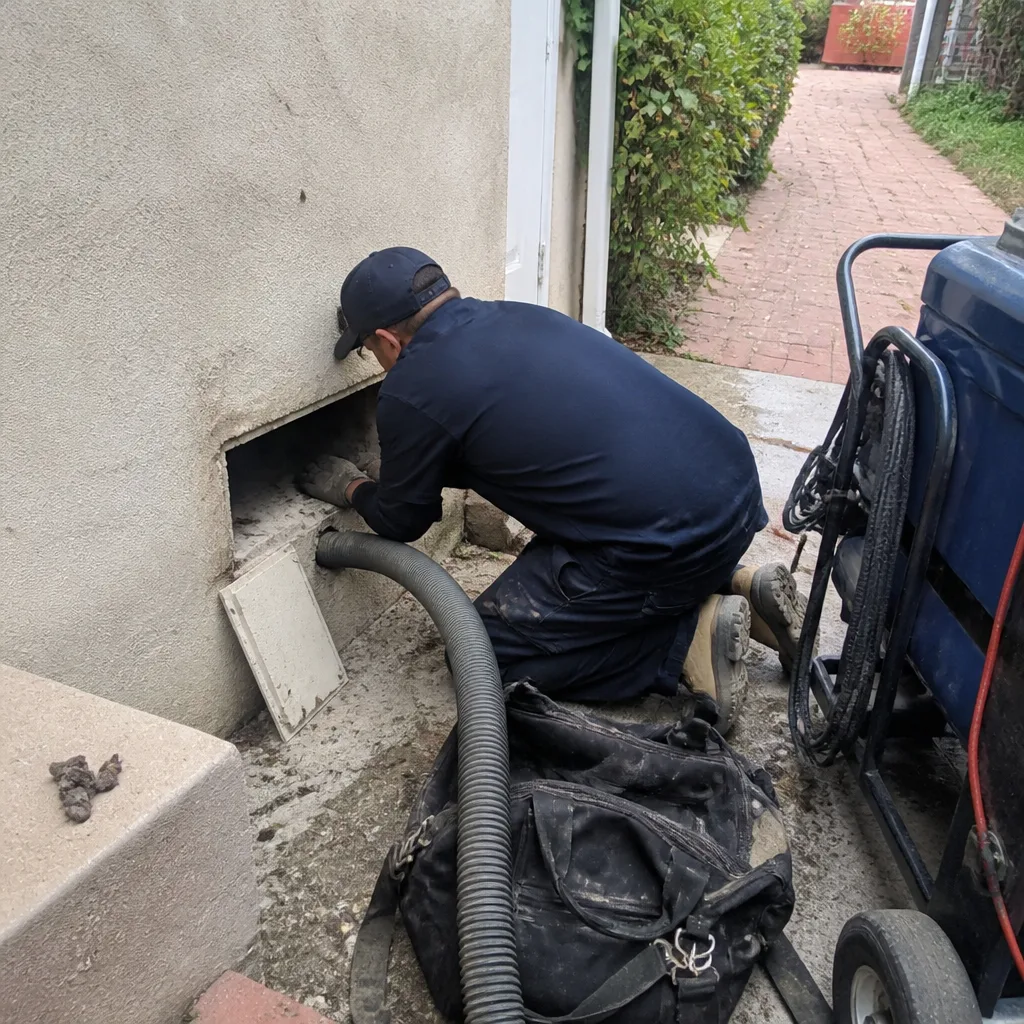 Before
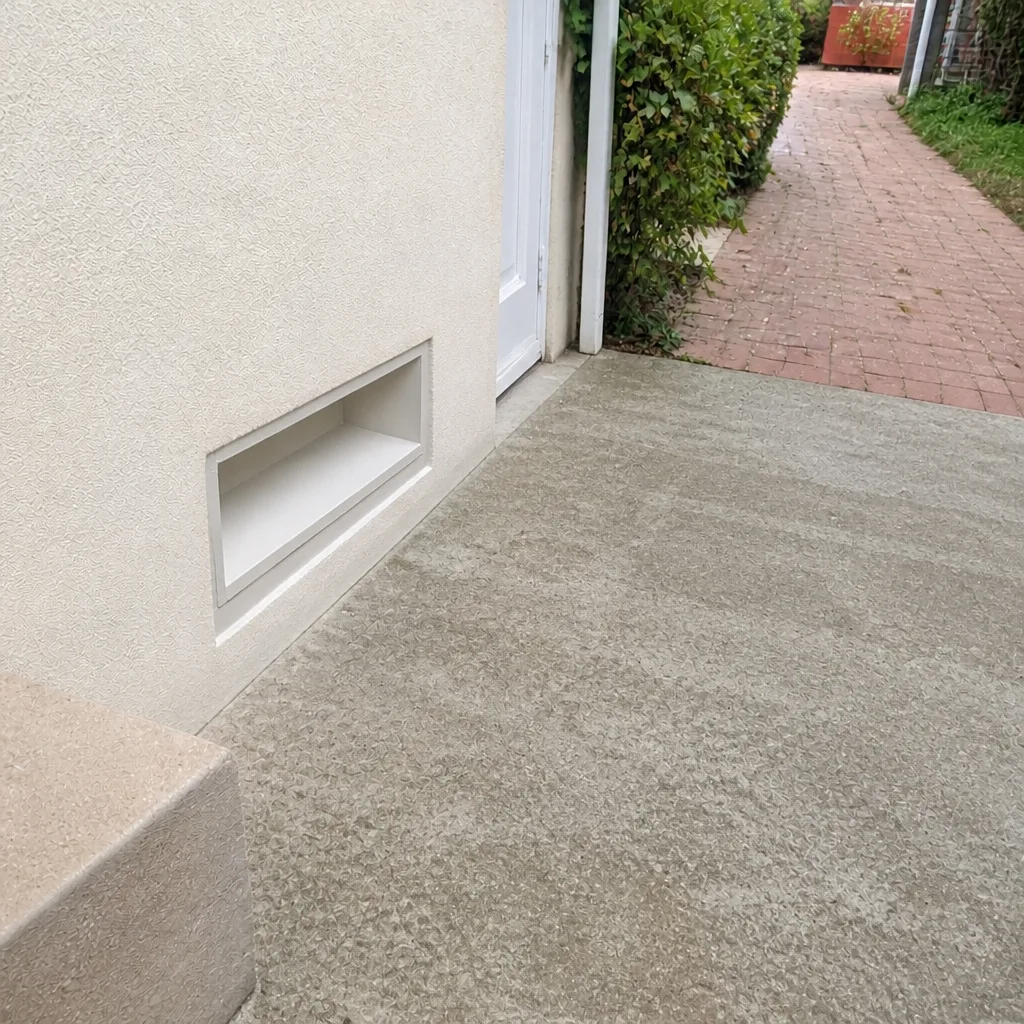 After
When to Call a Professional
Call a professional when you notice musty odors from the registers, inconsistent airflow between rooms, or allergy symptoms that track with the heating and cooling season. Call when the system hasn’t been serviced in several years, when you’ve recently finished remodeling in a Studio City home and drywall dust has had a chance to settle through the return, or when you’ve noticed visible dust accumulating around the registers faster than usual. Call before you buy an air quality upgrade, because adding filtration to a dirty system is the wrong order of operations. And call if your dryer vent hasn’t been checked in recent memory. A local pro licensed and insured as their state requires can inspect and advise.
Air Duct Cleaning Studio City offers free estimates in Studio City. Call (855) 658-5111. We answer 24/7. Fast dispatch from 7am to 7pm, Sunday through Friday.
Frequently Asked Questions
Air duct cleaning in Studio City is priced per system, not per vent, and the full price depends on square footage, duct material, access, and whether repair or sealing is needed. We give one flat price per system in a written estimate before work starts, so the number you agree to is the number you pay. Call (855) 658-5111 for an exact quote. Estimates are free.
Cheap quotes usually reflect cheap equipment: a shop-grade vacuum without high CFM or HEPA capture, run by a crew using compressed air instead of contact cleaning tools. That combination dislodges debris without capturing it, which is why the EPA warns that improper duct cleaning can make indoor air quality worse. Call (855) 658-5111 and we’ll walk you through what a proper scope includes.
Ask for before-and-after photos of your own ducts, not stock images, and check that every access point has been sealed. Ask how much debris was removed and confirm the dryer vent was cleaned. We provide before-and-after photos as standard. Call (855) 658-5111 to schedule an assessment.
Most homes don’t need annual duct cleaning. The honest answer depends on how quickly the system loads up: homes near ongoing construction, homes with pets, and homes with compromised ductwork that’s pulling in attic dust tend to need it sooner. If you’re seeing dust at the registers faster than you used to, or if you’ve just finished a remodel, that’s the trigger to check. Call (855) 658-5111 and we’ll tell you honestly whether it’s needed yet.
NADCA membership verifies that a contractor has agreed to the association’s published standards and has access to its training and guidance. It does not verify their specific vacuum equipment, filtration, insurance coverage for ductwork, or whether they use contact cleaning tools. Treat it as a baseline and still ask the three equipment questions. Call (855) 658-5111 if you want to compare what a full scope looks like.
You need repair and sealing if the system has separated joints, disconnected flex runs, crushed sections, or degraded exterior insulation. Cleaning a leaking system just cleans around the leak. Ask the contractor to inspect and flag damaged ductwork before cleaning begins, then quote any repair separately so you can decide. Call (855) 658-5111 for a walkthrough and a written scope.
The Bottom Line
Hiring a duct cleaner comes down to three equipment questions and one written document. Ask about CFM, HEPA filtration, and contact cleaning tools. Then require a scope that names every component, confirms liability coverage for ductwork, and promises before-and-after photos of your own system. NADCA membership is a helpful starting filter but not the finish line. In Studio City, where the dry valley heat works hard on older ductwork and the market is full of low-bid operators, the vetting process is what protects your air quality. Do the vetting first, and the price follows the equipment rather than the other way around.
If you’d rather start with a conversation than a checklist, call Air Duct Cleaning Studio City at (855) 658-5111 for a free estimate. We answer 24/7. Fast dispatch from 7am to 7pm, Sunday through Friday. We’ll walk your system, put the scope in writing, and agree on one flat price before any work starts.
Written by the team at Air Duct Cleaning Studio City.