
Last updated November 20, 2026
 Whole-home duct cleaning
 Dryer vent cleaning
 Camera inspection
 Sanitizing & deodorizing
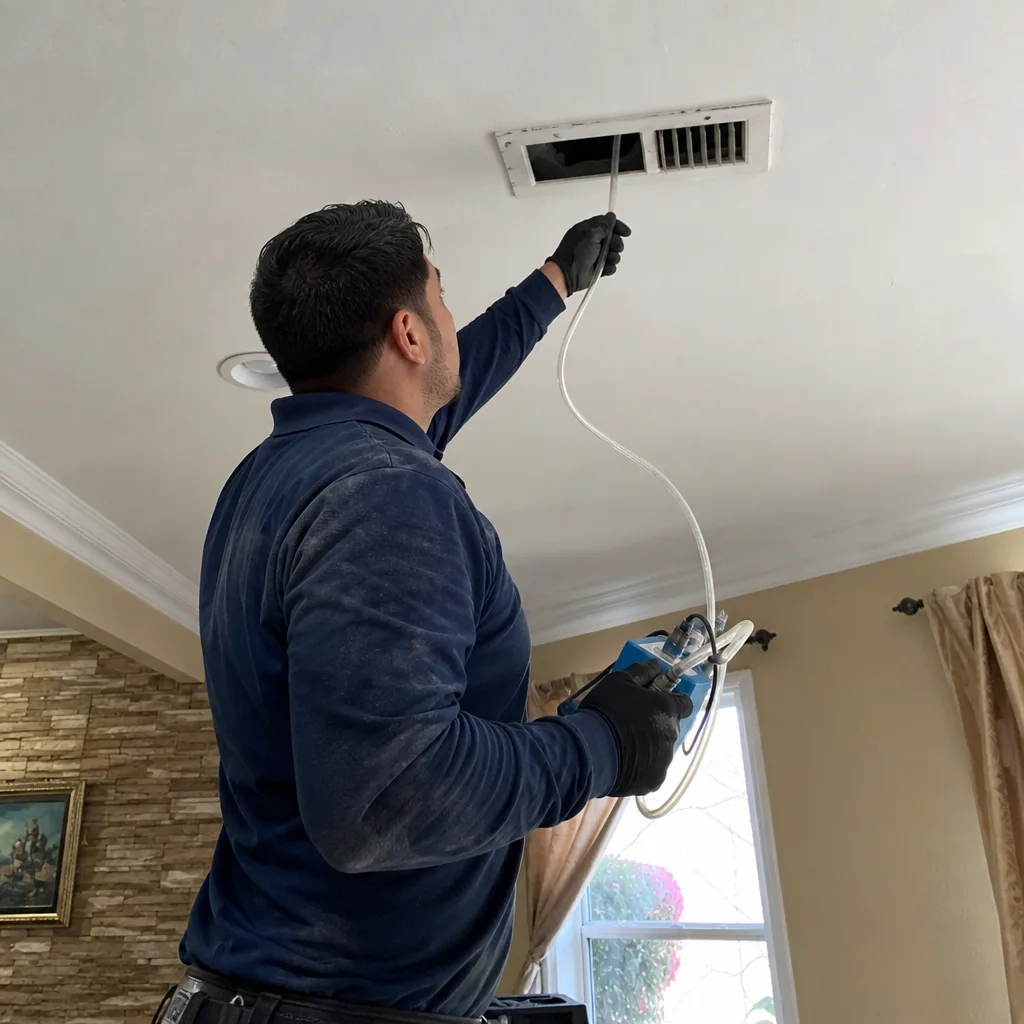
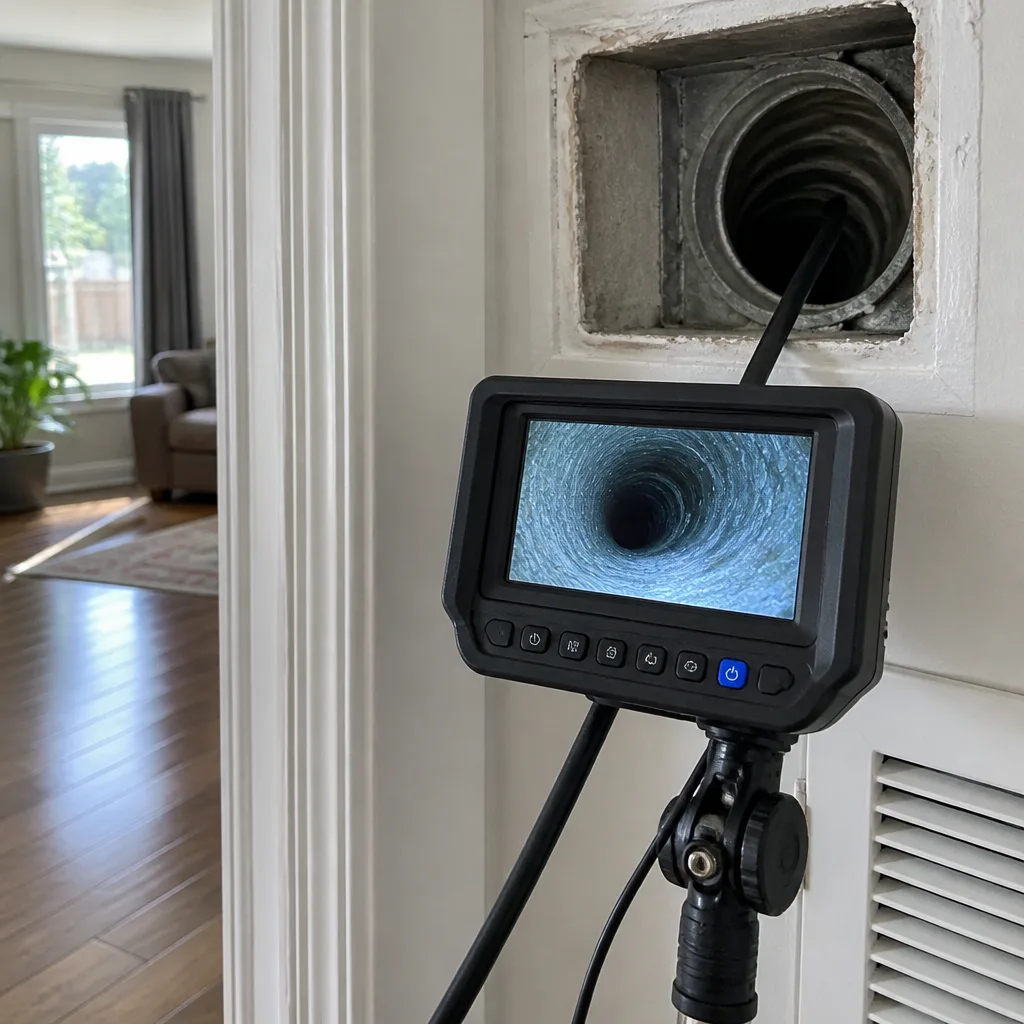
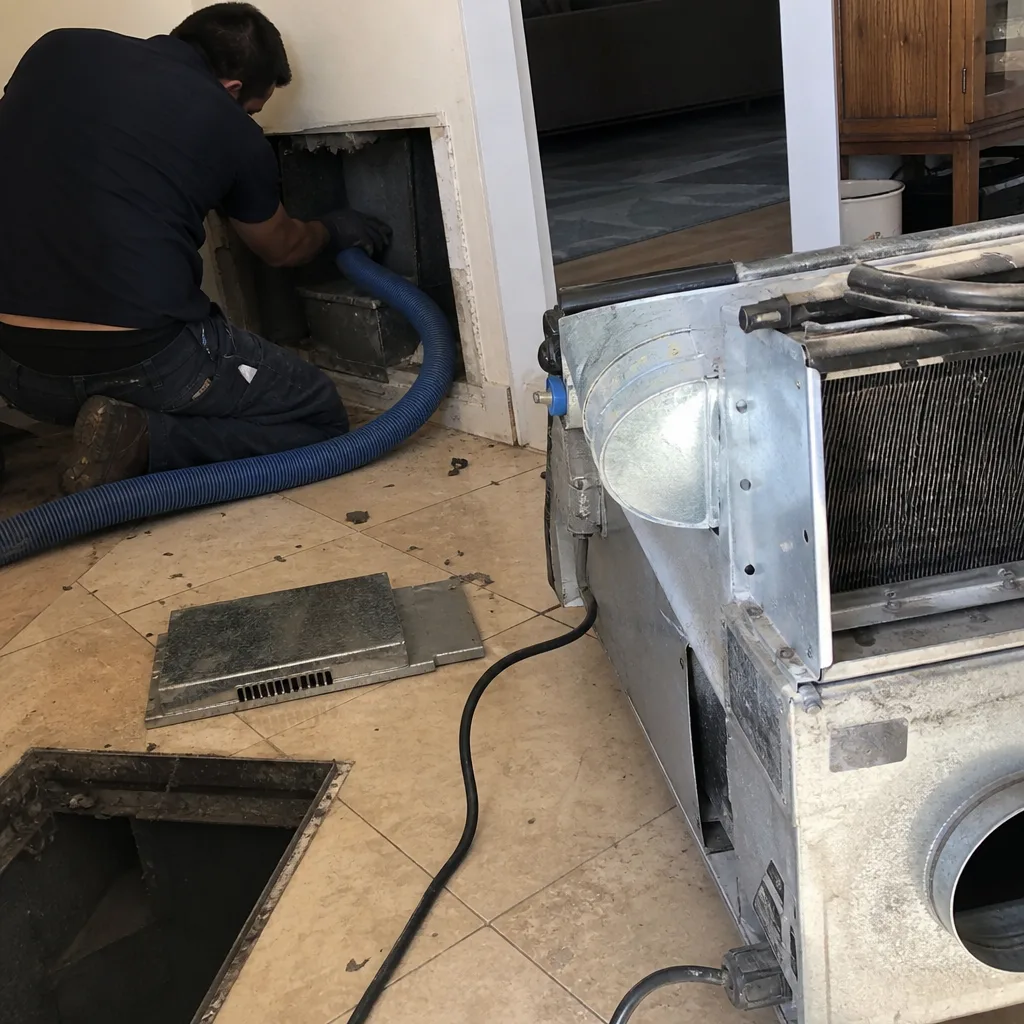
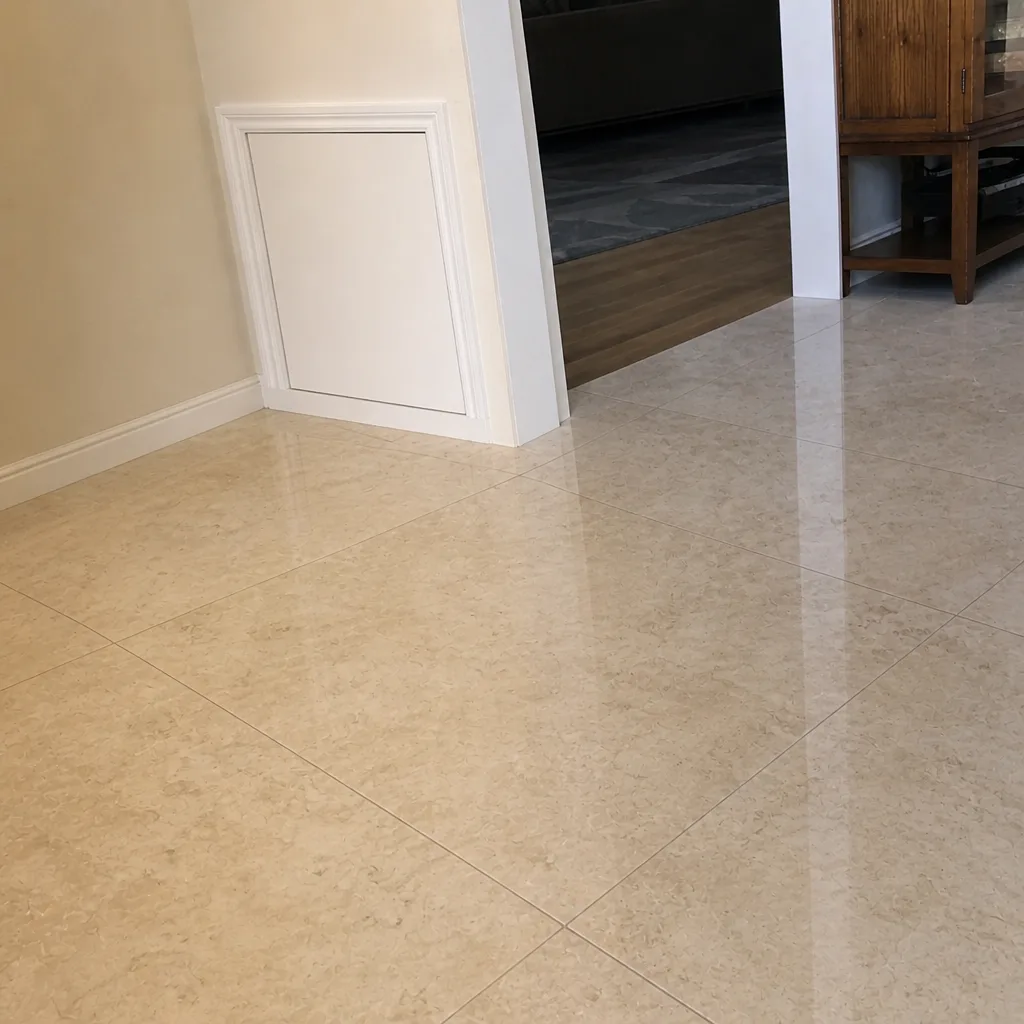
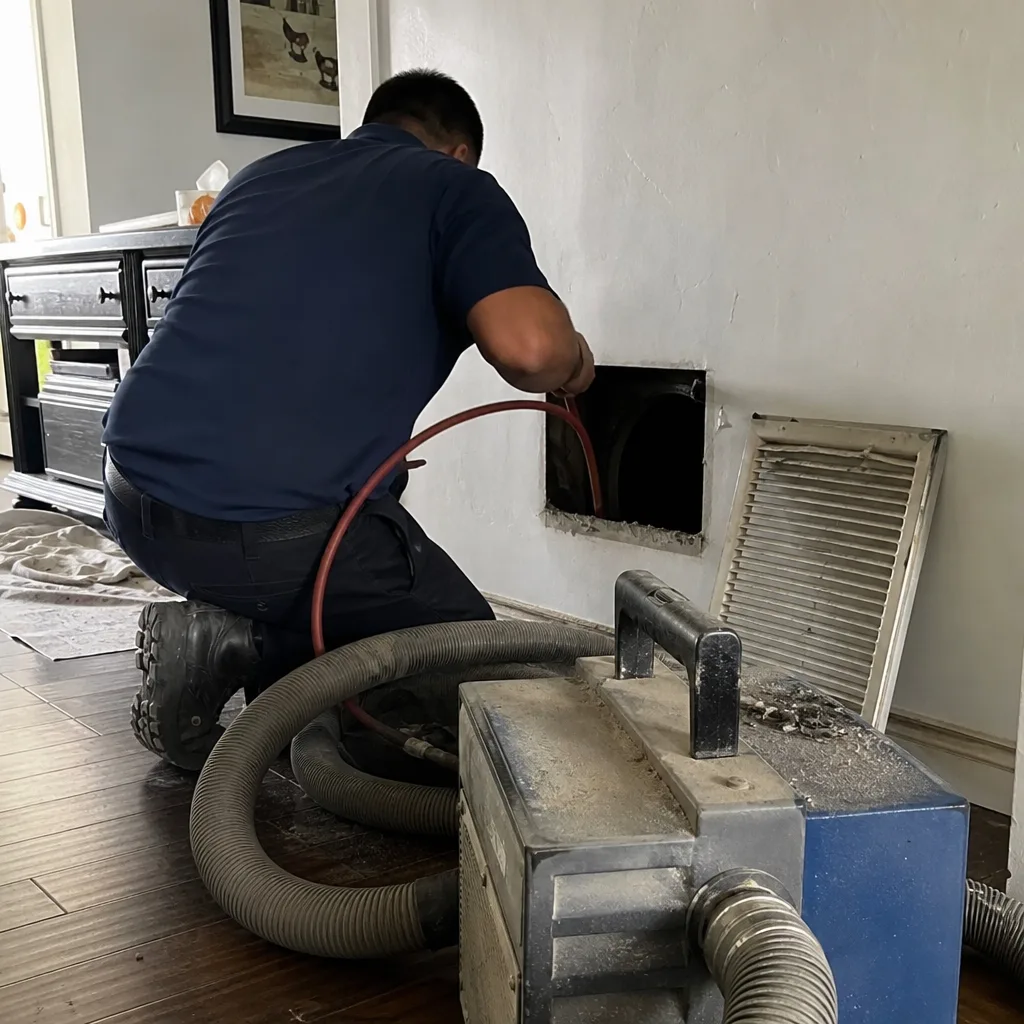
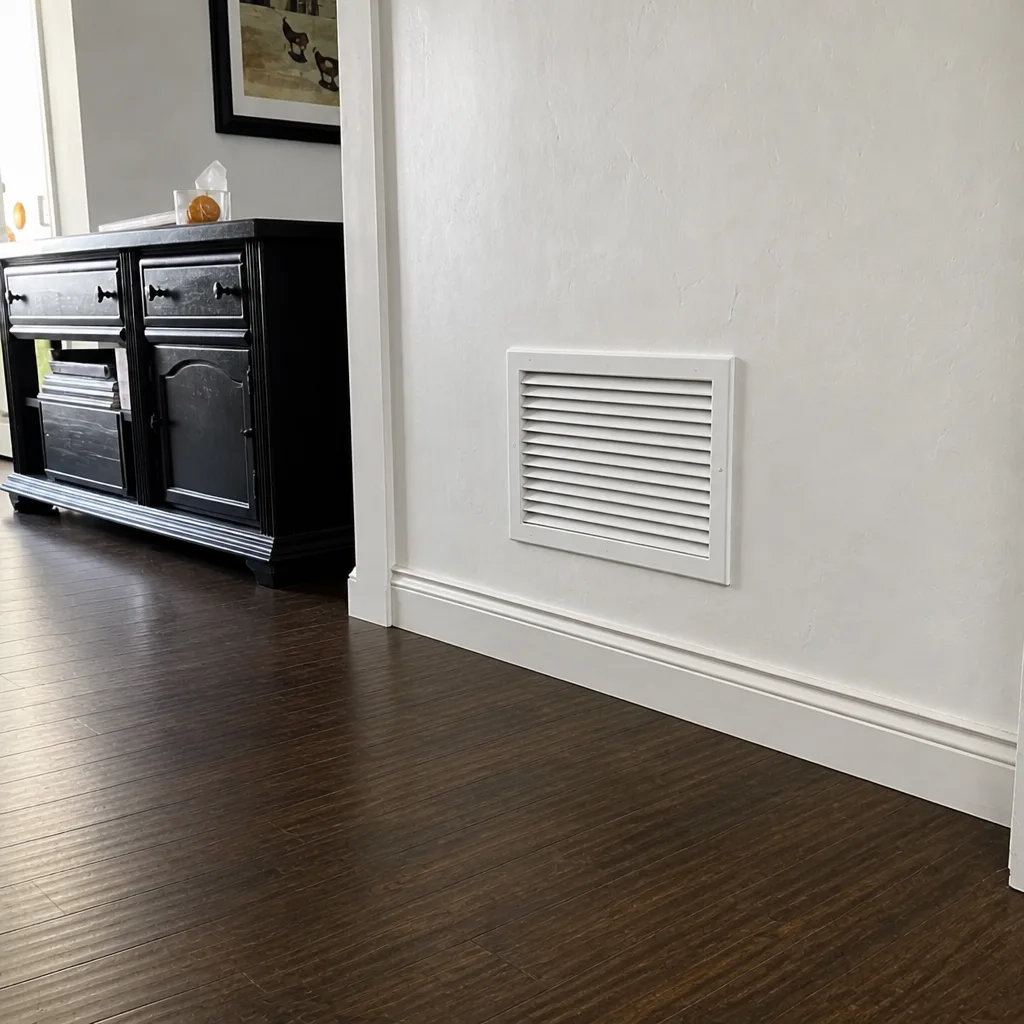
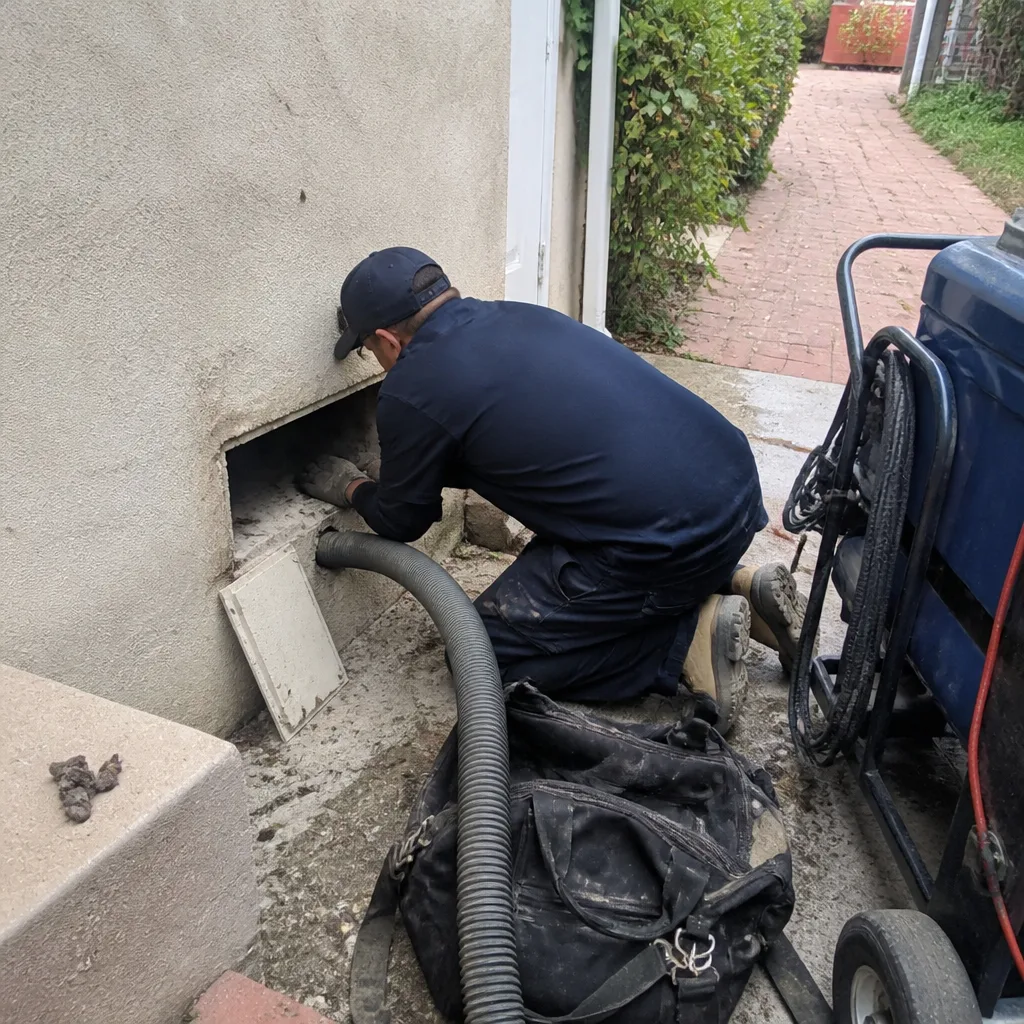
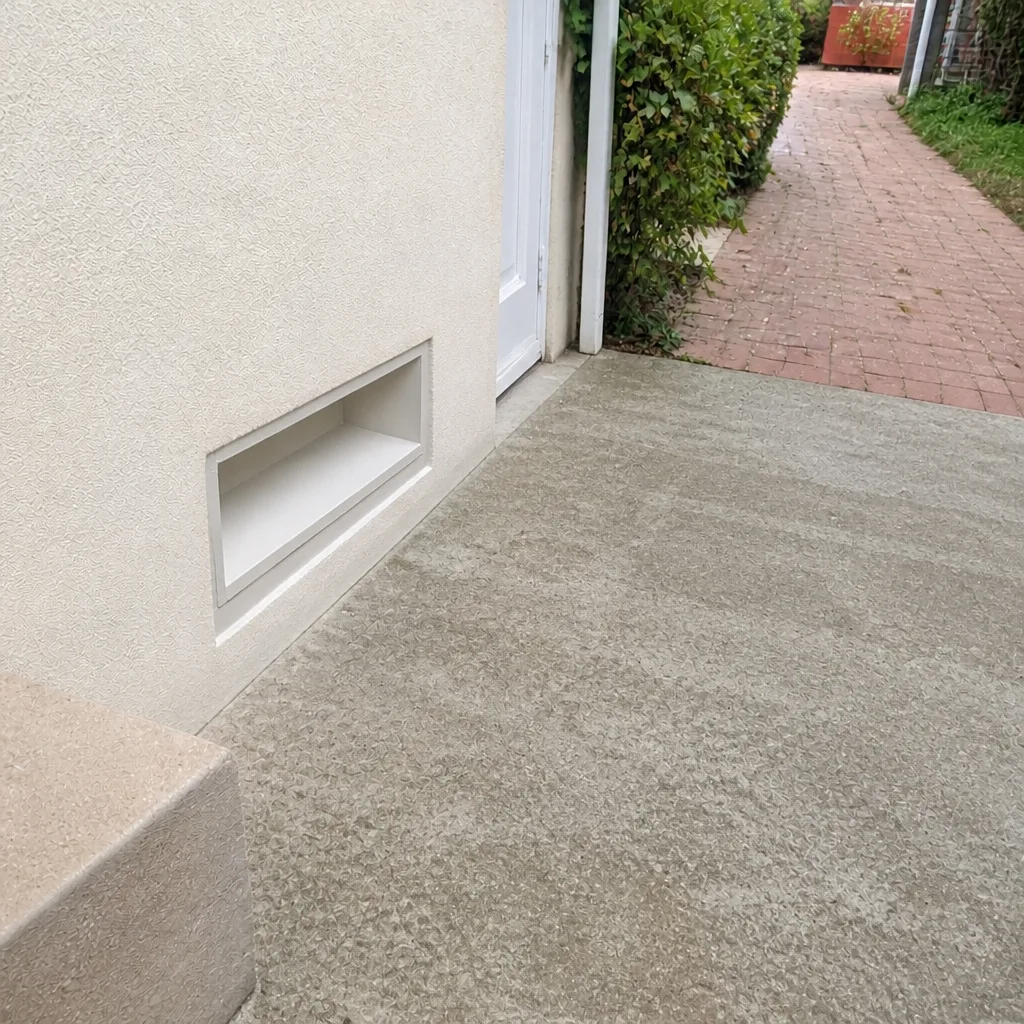
Whole-system duct and dryer vent check with before-and-after photos - you see exactly what came out of your vents
That "$99 whole-house special" is a bait ad - the real number appears once they are in your hallway, or the "clean" is a shop-vac at the register. We photograph the inside of your ducts before and after instead.
Air Duct Cleaning Warning Signs: A Studio City Homeowner’s Reference Guide
By the time you can smell musty air coming from your registers, mold activity inside a duct system has often been building for weeks. Smell is a late indicator. The signs that actually matter arrive earlier: a bedroom that runs a few degrees warmer than the hallway, a faint click in your thermostat log, an itch that shows up twenty minutes after the AC kicks on. Studio City homes sit in a warm, dry valley where ducts pull in dust, pollen, and wildfire ash year-round, and most of that buildup announces itself quietly long before anyone reaches for an air quality test. This guide walks through the early warning signs a homeowner can actually detect, how to document them, and when it’s time to bring in professional equipment.
Quick Answer
The most reliable early warning signs of duct contamination in Studio City are a room-to-room temperature gap of more than 3°F that stays consistent, a slow creep in HVAC runtime without a change in weather, a sticky gray film on register covers instead of loose dust, and allergy symptoms that follow your system’s on/off cycles. Visible dust blowing out of a register is a late-stage sign, not an early one. If you notice two or more of the early indicators together, it’s worth having the system assessed with mechanical cleaning equipment.
Styles & brands we work with
- Whole-home duct cleaning
- Dryer vent cleaning
- Camera inspection
- Sanitizing & deodorizing
Table of Contents
- Uneven room temperatures as a duct restriction indicator
- Reading your thermostat log for early contamination signals
- Allergy patterns that follow HVAC cycles
- A visual inspection protocol for accessible registers
- Wildfire ash infiltration versus ordinary household debris
- The warning sign homeowners overlook: your dryer vent
- What a proper full-system service actually involves
Why Uneven Room Temperatures Point to a Duct Restriction
A consistent gap of more than 3°F between adjacent rooms in the same HVAC zone is a duct restriction indicator, not normal system variation. Standard residential systems vary by a degree or two from room to room, especially on the west side of a house during a Studio City afternoon. Once that gap holds at 4°F or more and doesn’t move with the weather, something is limiting airflow to one part of the system.
Restriction comes from a few places, and they’re worth distinguishing because they call for different work:
- Accumulated debris on the interior duct walls. A heavy enough layer narrows the pathway and slows the air, though this alone rarely produces a hard restriction.
- Disconnected or crushed flex duct. Common in attics and crawl spaces. A collapsed section cuts flow to one or two rooms and shows up as a persistent temperature differential.
- Loose or failed joints. Leaky connections push conditioned air into the attic instead of the living space. The room stays warm, the bill goes up, and the ducts themselves look clean from the register side.
- Blocked or partially closed dampers. Easy to check first. If a damper behind a register is half-shut, no amount of cleaning will fix the differential.
Measure with an inexpensive digital thermometer rather than by feel. Put it in the middle of the room at sitting height, let it settle, and log the reading in the warmest room and the coolest room at the same time of day. Do that for three days. A gap that holds steady across all three is worth investigating. A gap that appears only in the late afternoon points to solar gain and window exposure instead. In our experience, the steady gap is the one that leads somewhere, and it’s often a sealing issue rather than a cleaning one, which is why Air Duct Cleaning Studio City treats duct repair and sealing as a standalone service rather than an upsell.
What Increased Energy Bills Look Like Before the Bill Gets Big
Runtime creep, not a sudden bill spike, is the early energy signal. A fouled evaporator coil and a duct system with reduced static pressure force your HVAC unit to run longer to hit the same setpoint, and the effect compounds slowly enough that most homeowners absorb the cost for a season without noticing.
Here’s how to actually catch it. Most modern thermostats keep a history of how many hours the system ran per day. Pull that log and compare the same week across adjacent years, or simply log daily runtime yourself for two weeks and match it against a nearby weather record. What you’re looking for isn’t hot weather; it’s a longer runtime on comparable days.
- Note the daily runtime for a week in mild weather, when the system cycles normally.
- Check the indoor humidity reading at the same time. Rising humidity inside a well-sealed house during cooling season suggests the coil isn’t shedding condensate efficiently.
- Listen at the return grille. A whistling or labored sound indicates the blower is fighting resistance.
- Check the filter. If a new filter loads up faster than it used to, the upstream ducting is likely shedding debris into it.
That last point is the one people miss. A filter that used to last three months and now looks gray in five weeks is telling you the air reaching it is dirtier than it was. That’s a duct and coil issue, not a filter issue, and replacing the filter more often only treats the symptom. Reduced static pressure from a dirty coil and dirty duct interior is worth the look before summer peak, when a marginal system has the least headroom.
Why Allergy Patterns Beat Air Quality Tests for Early Detection
Symptom timing is a more reliable early warning than any consumer air quality test, because the pattern tells you where the contamination is entering the living space. A single air quality reading gives you one number on one day. A log of when you feel it gives you a map.
What you’re looking for is correlation with the system cycle. If a runny nose, scratchy throat, or eye irritation starts within ten to thirty minutes of the air handler kicking on and eases within an hour of it shutting off, the air pathway is the likely source. Dust that settles on furniture overnight and gets lifted into the air the moment the fan starts will move on exactly that schedule. Pet dander and pollen get pulled into the return and cycled back into every room. Mold spores in a contaminated system travel the same route.
Document it usefully. A score on a note app won’t tell you much, but a simple log will:
- Time the system turns on and off, and note how you felt within the following hour.
- Which room you were in. If symptoms concentrate in one room, suspect that branch of ducting specifically.
- Whether the windows were open. Studio City cross-breezes off the hills can be the real cause on some days, and you’ll want to separate that out.
- Whether you’d just vacuumed or dusted. Ask the same question of a pollen-heavy week.
Two weeks of that log gives a technician far more to work with than a single reading. It also tells you whether the problem is the whole system or one branch of it, which changes the scope of the work.
A Visual Inspection Protocol for Accessible Register Covers
Loose dust on a register cover is normal and means very little. A sticky gray film with a faint biological odor is a different finding, and it’s the one worth acting on. Here’s how to tell them apart without pulling the register off.
- Wipe one register cover with a clean white paper towel, dry. Ordinary dust wipes off cleanly and leaves no residue.
- Look at the towel in daylight. A gray-brown smear that clings to the paper and won’t come off with a second dry wipe suggests a film rather than particles.
- Smell the register with the system off, then with it running. An earthy or damp smell that intensifies with airflow points to microbial activity or rodent debris in the duct interior.
- Dampen a fresh towel and wipe again. A film that smears rather than lifts is the signal to stop guessing and have the system assessed.
- Shine a light into the first six inches of the duct behind an accessible register. What you see in the first few inches is representative of the whole run.
A second clue is staining around the register boot where the duct meets the wall or ceiling. Water staining means condensation or a leak, and moisture is what turns ordinary dust into a biological problem. Skip the register covers you can’t reach safely. A register on a high vaulted ceiling in a Studio City hillside home is not worth a ladder. What you can reach from standing height tells you enough.
Studio City Warning Signs After Wildfire Events
Ash infiltration and ordinary household debris look similar on a register cover and behave completely differently in the system. Ordinary dust sits loose. Wildfire ash is finer, sticks more readily to coil fins and duct interior surfaces, and carries an acrid smell that regular cleaning doesn’t lift. The two also call for different responses.
After a wildfire event or a heavy smoke push into the valley, the signs to look for are:
- A smoke odor that reappears whenever the system starts, well after outdoor air has cleared.
- Visible fine gray residue on horizontal surfaces near return grilles, distinct from the regular dust pattern.
- Ash tracked into the return side through a window or door left open during a smoke event.
- Filter loading that jumps sharply in the weeks following an event, faster than the usual rate.
Why the distinction matters comes down to treatment. Ordinary dust responds to mechanical contact cleaning with a professional system. Ash that has reached the evaporator coil needs the coil cleaned as well, since a matted layer of fine ash on the fins reduces heat transfer and pushes runtime up. Odor that persists after mechanical cleaning generally needs a sanitizing treatment, which is where the Abatement Technologies and Guardsman products come into the picture. Cleaning without addressing the odor source leaves the problem mostly in place. Our approach is to clean, seal, and treat in that order, because sealing loose joints after cleaning keeps the next round of infiltration out of the pathway.
The Warning Sign Homeowners Overlook: The Dryer Vent
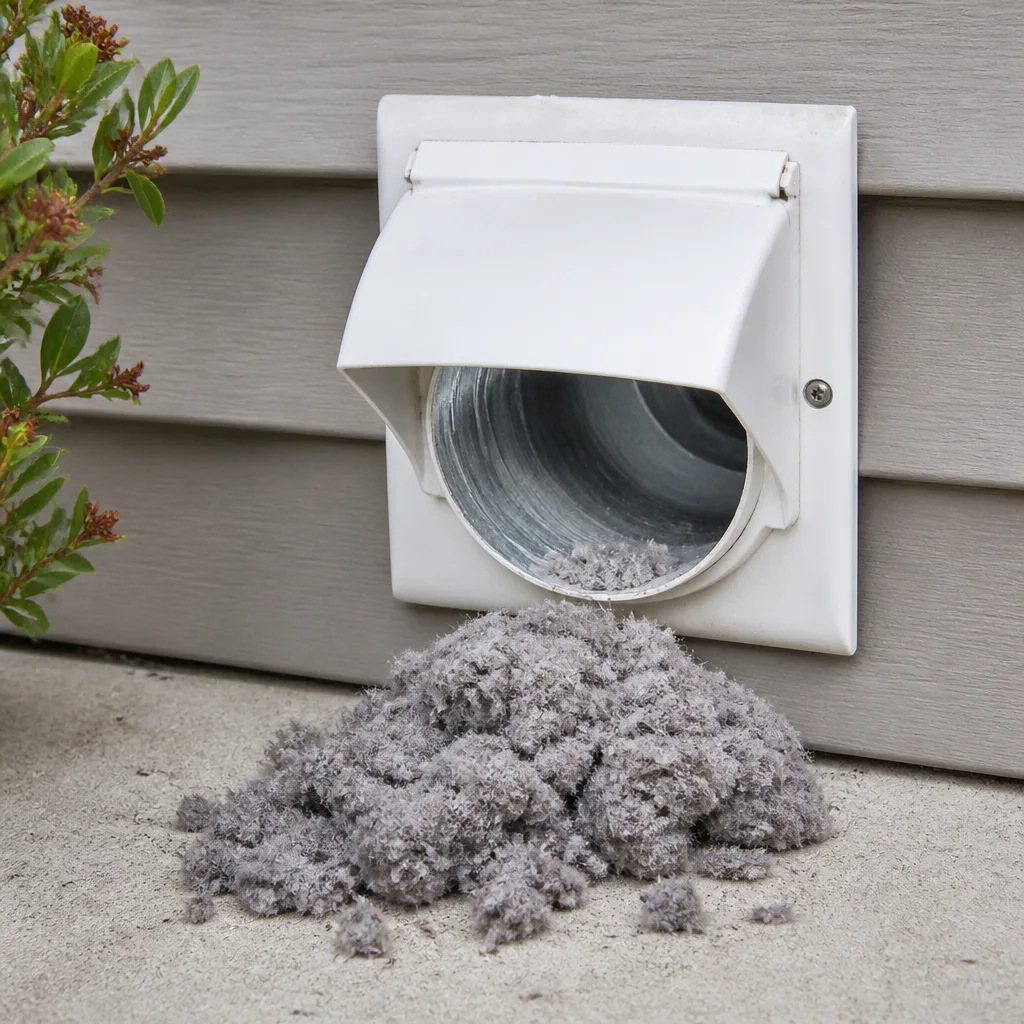
Lint accumulation in a dryer vent is a fire risk, not a maintenance annoyance, and it’s the one part of the air pathway that most duct-only services skip entirely. Two signs matter. Clothes take noticeably longer to dry than they used to, and the top of the dryer feels hot to the touch during a cycle. Either one means lint is building up somewhere between the dryer and the exterior vent.
A few other indicators:
- The exterior vent flap doesn’t open fully or flutters weakly during a cycle.
- Lint collects around the dryer door or behind the unit.
- A burning or scorched smell during operation.
- The vent run includes a long flexible section with bends, which traps lint faster than a straight rigid run.
Same-day service is available for dryer vent cleaning in Studio City when the signs are strong. We answer 24/7 and dispatch crews from 7am to 7pm, Sunday through Friday, closed Saturday. If you’re booking something less urgent, read dryer vent cleaning for the full scope before you call.
What a Proper Full-System Service Actually Involves
A real duct cleaning job uses mechanical contact equipment, not a shop vacuum and not a wand-and-blow method. The distinction matters because the source removal is what produces a verifiable result. Here’s what the service should cover when it’s done right.
- Inspection first. The technician maps the system, checks accessible duct runs, and looks at the HVAC equipment before touching anything.
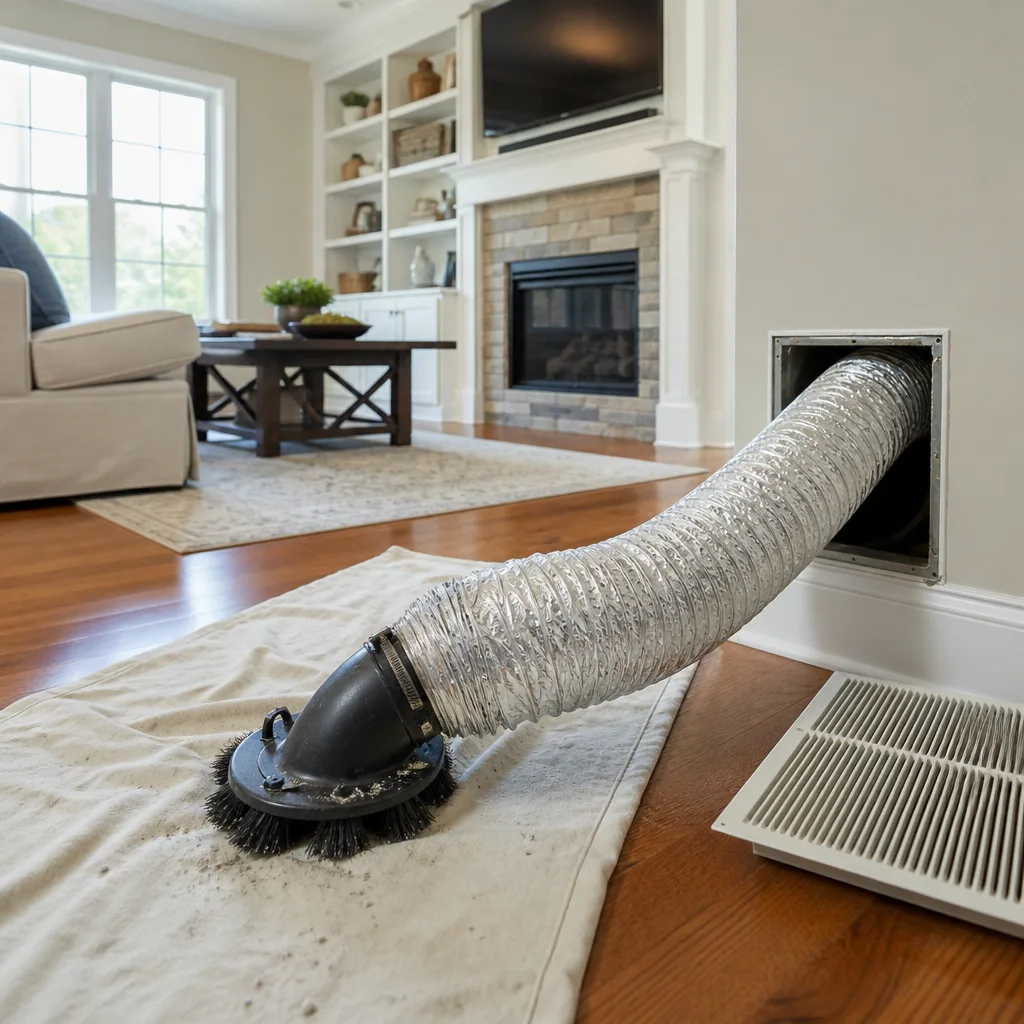
- Mechanical contact cleaning. Rotobrush and Nikro equipment agitate and extract debris from the interior walls of supply and return ducts. These are the same professional systems used in commercial duct work.
- HVAC component cleaning. The air handler, blower, and evaporator coil are part of the air pathway and get cleaned as part of the job, not left for a separate service.
- Duct repair and sealing. Disconnected joints, crushed flex sections, and leaks get identified and corrected. Cleaning a leaking duct system and leaving the leaks is incomplete work.
- Sanitizing treatment. Abatement Technologies and Guardsman products address microbial activity and odor after the mechanical cleaning is finished.
- Air quality hardware. Honeywell and Aprilaire filtration systems can be installed or serviced if the homeowner wants ongoing air treatment rather than a one-time reset.
All five services are handled by one provider, which matters because a duct cleaner who can’t repair a disconnected joint will clean around the problem and leave it. Our technicians have up to 10 years of experience and work a flat price per system agreed before the job starts, with before-and-after photos of your own ducts so you can see what was removed. For the full scope of the cleaning itself, see air duct cleaning, and for the equipment side of the service, HVAC cleaning covers what happens to the air handler and coil.
Common Mistakes to Avoid
- Treating smell as the first sign. It’s usually the last. A musty odor means microbial activity has been underway long enough to produce volatile compounds. Start with the temperature gap and the thermostat log instead.
- Judging duct condition by a register wipe alone. Loose surface dust says nothing. Check for a sticky film and a smell in the same spot before drawing a conclusion.
- Assuming a filter replacement solves the problem. A filter traps what reaches it. It doesn’t remove what’s already coating the coil and the duct walls upstream.
- Hiring on price alone. A quote that’s far below the rest of the market usually means a wand-and-blow job with no mechanical contact cleaning. Ask what equipment will be used and whether HVAC components are included.
- Cleaning a leaking duct system and stopping there. If joints are disconnected or flex is crushed, cleaning removes debris and the leak remains. Ask for repair and sealing as part of the scope.
- Skipping the dryer vent. Homeowners book duct cleaning and never think about the dryer. It’s a fire-risk reduction job and it takes far less time than the ducts.
- Waiting for wildfire season to check the system. In Studio City, check the return grilles and filter loading in the weeks after a smoke event, not months later. Ash that reaches the coil does more damage the longer it sits.
See the difference
 Before
 After
 Before
 After
 Before
 After
When to Call a Professional
Call a professional when two or more early indicators appear together: a temperature gap above 3°F that holds for several days, visible filter loading that outpaces the usual change interval, a sticky gray film on registers, or symptoms that track your system’s cycles. Also call if you see staining around a register boot, which points to moisture, or if you can smell an acrid or earthy odor that persists with the system running. Don’t put a ladder against a vaulted ceiling to inspect a high register yourself; the risk isn’t worth the answer. On the dryer vent side, call as soon as drying times stretch or the dryer top runs hot. Air Duct Cleaning Studio City offers free estimates in Studio City. Call (855) 658-5111. We answer 24/7. Fast dispatch from 7am to 7pm, Sunday through Friday.
Frequently Asked Questions
It’s priced per system, not per vent, and the written estimate sets the final price. Per-vent pricing is where most of the bait-and-switch reputation in this trade comes from, so we quote the whole system up front and honor that figure. Call (855) 658-5111 for an exact quote. Estimates are free.
Because a low quote usually buys a different job. A very cheap duct cleaning is typically a wand-and-blow with a shop vacuum, no mechanical contact cleaning, and HVAC components left out of the scope. Rotobrush and Nikro equipment and a proper coil and air handler cleaning cost more to run. Ask any contractor what equipment they’ll use and whether the HVAC components are included before you compare prices. Call (855) 658-5111 to talk through scope on your system.
Ask for before-and-after photos of your own ducts taken during the service. That’s the only verifiable record, and we provide it as standard practice. A receipt proves payment; photos prove the work. Call (855) 658-5111 if you’d like to see how the documentation works.
Most homes don’t need it on a fixed schedule. It’s condition-based: after a wildfire smoke event, after a renovation, after a rodent or moisture problem, or when the early indicators in this guide show up together. A house with pets, ongoing allergy symptoms, or a system that’s been untouched for several years usually warrants an assessment sooner. Call (855) 658-5111 for an honest read on whether your home needs it now.
It shapes the problem rather than simply worsening it. The valley’s dry air keeps moisture issues lower than in coastal areas, but the long cooling season means the system pulls air through the ducts for most of the year, and wildfire smoke pushes ash into return grilles when the winds drive it down from the hills. The practical result is that dust and ash accumulate on a longer annual cycle, and moisture problems, when they do appear, come from condensation or a leak rather than from ambient humidity.
You can book duct cleaning on its own. Duct repair and sealing and air quality treatment are separate services you can add if the inspection turns up a reason for them, and we’ll tell you plainly when they aren’t needed. There’s no package requirement. Call (855) 658-5111 and describe what you’ve noticed; we’ll tell you what the job actually requires.
The Bottom Line
The warning signs that matter in Studio City show up before anything smells musty or blows dust. A steady temperature gap above 3°F, a thermostat log that shows runtime climbing on comparable days, a sticky film rather than loose dust on your registers, and allergy symptoms that track your system’s cycles are the early indicators. Document them, then act on them together rather than one at a time. If a wildfire event has pushed smoke into the valley, check your return grilles within weeks rather than months. And don’t forget the dryer vent, which is a fire-safety item rather than a comfort one. When two or more signs line up, a professional assessment with mechanical equipment is the fastest way to know what you’re dealing with.
Air Duct Cleaning Studio City covers the full air pathway: air duct cleaning, dryer vent cleaning, HVAC cleaning, duct repair and sealing, and air quality and sanitizing, all with professional-grade Rotobrush and Nikro equipment and Honeywell and Aprilaire air quality systems where they fit. Call (855) 658-5111 for a free estimate. We answer 24/7. Fast dispatch from 7am to 7pm, Sunday through Friday.
Written by the team at Air Duct Cleaning Studio City.